
Level 1 sweep and inspection to the NFPA 211 annual standard - flue, crown, cap, and flashing checked and photographed
Chimney sweep logs do not sweep chimneys. They loosen some creosote - which then falls where a brush and vacuum still have to collect it.
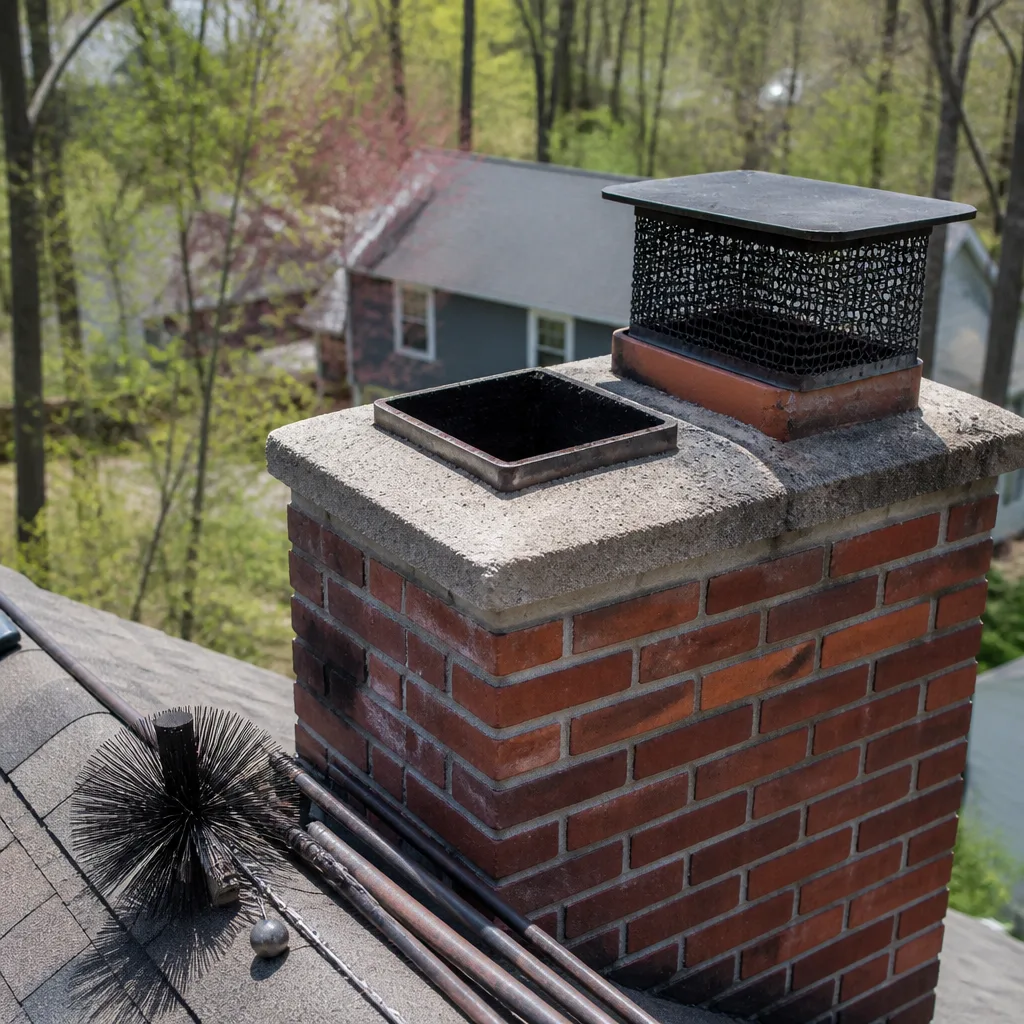
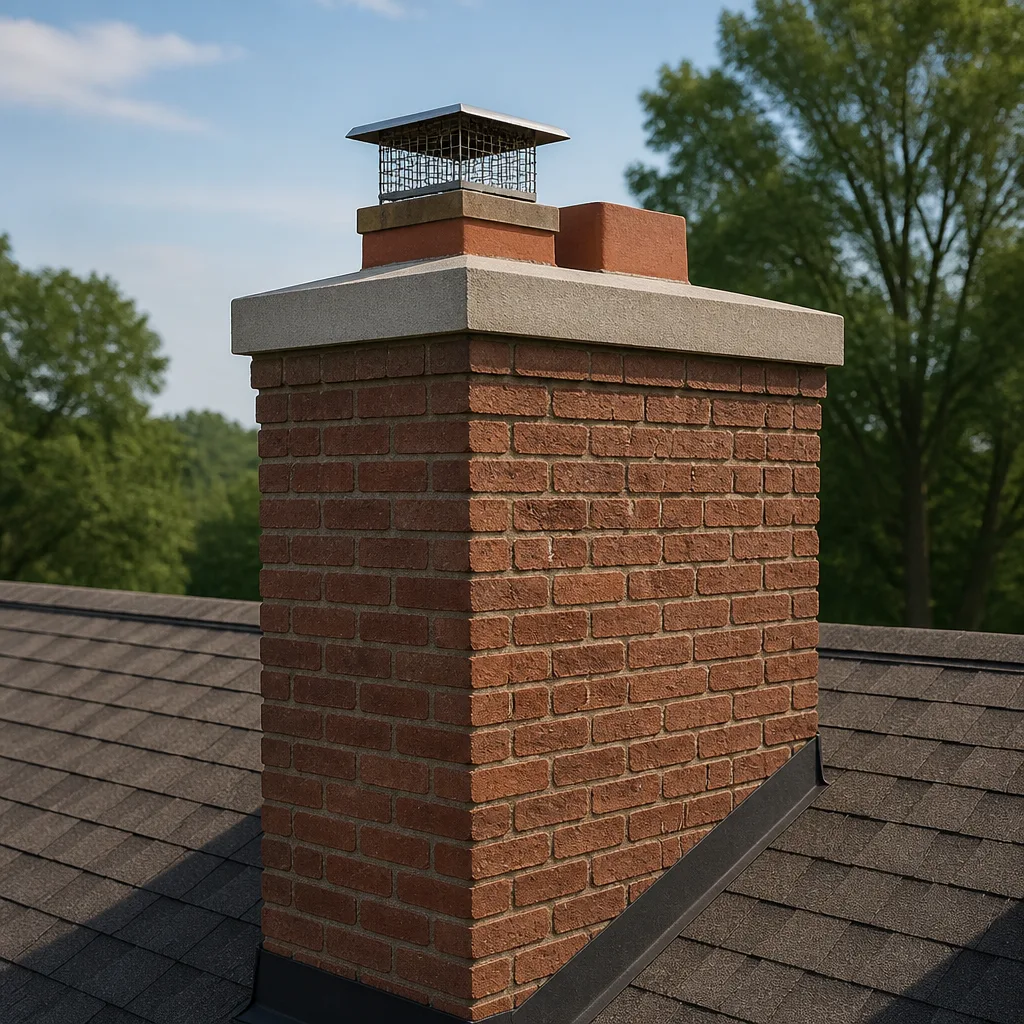
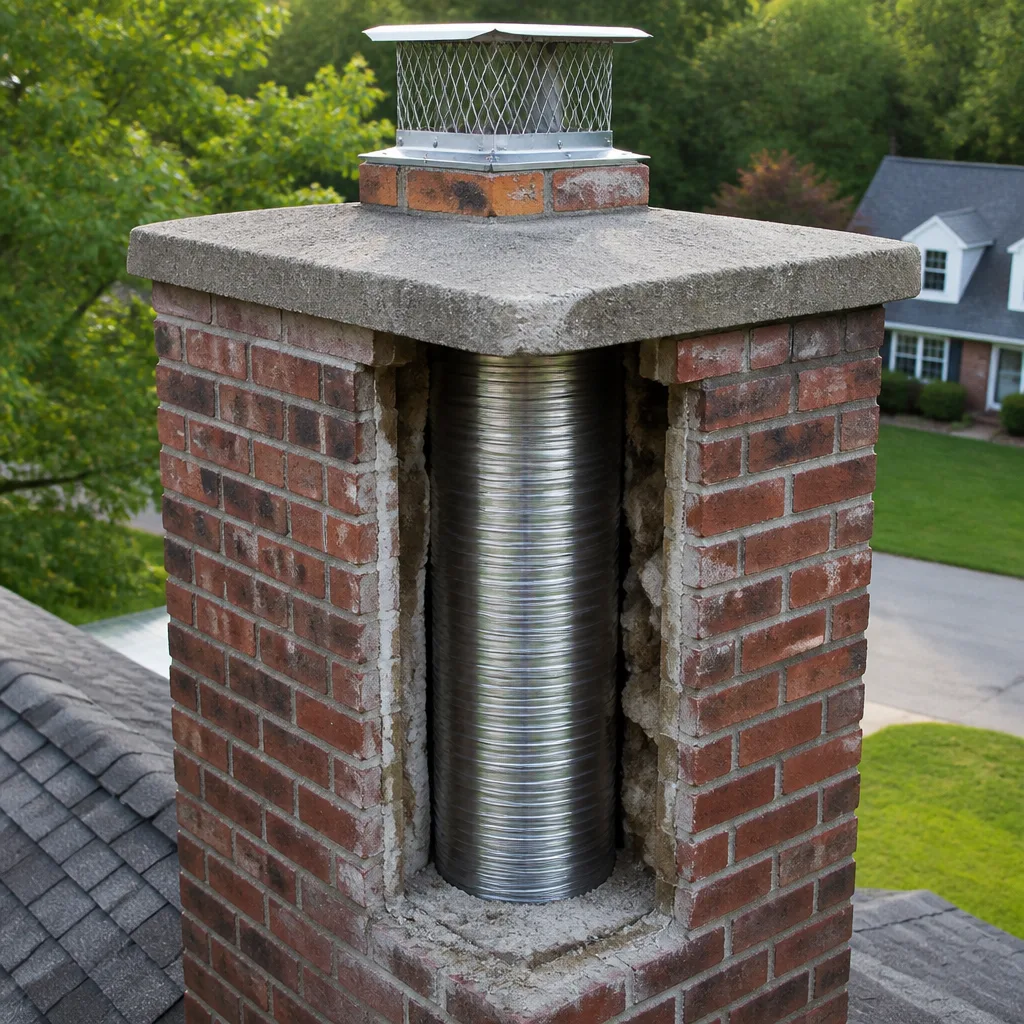
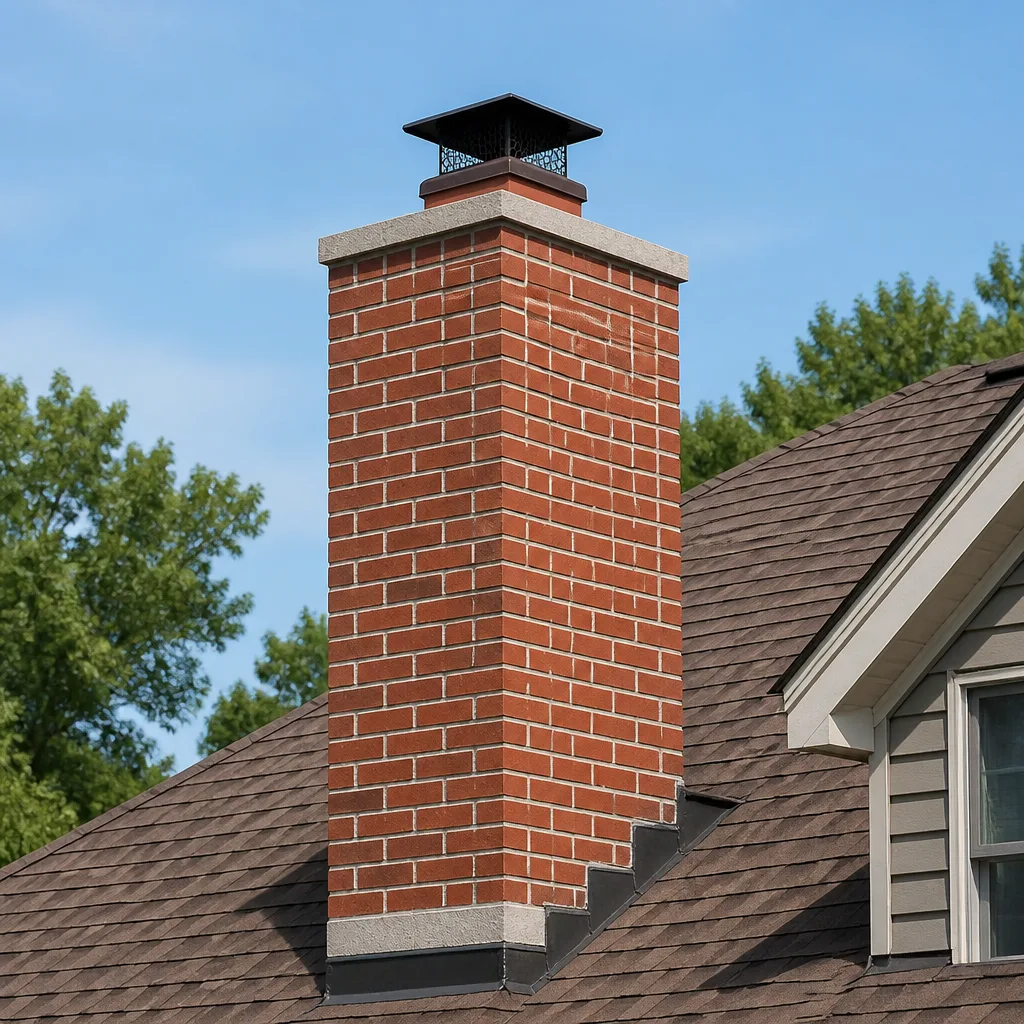
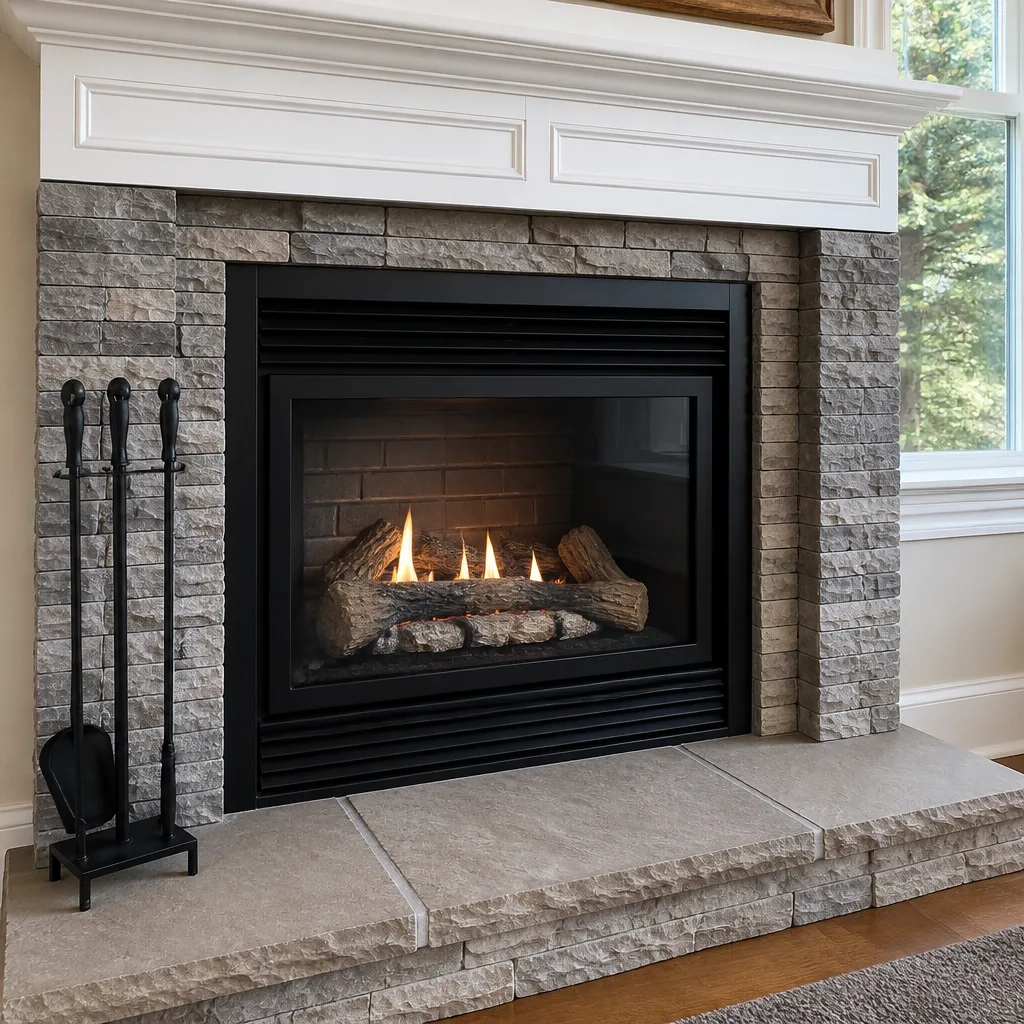
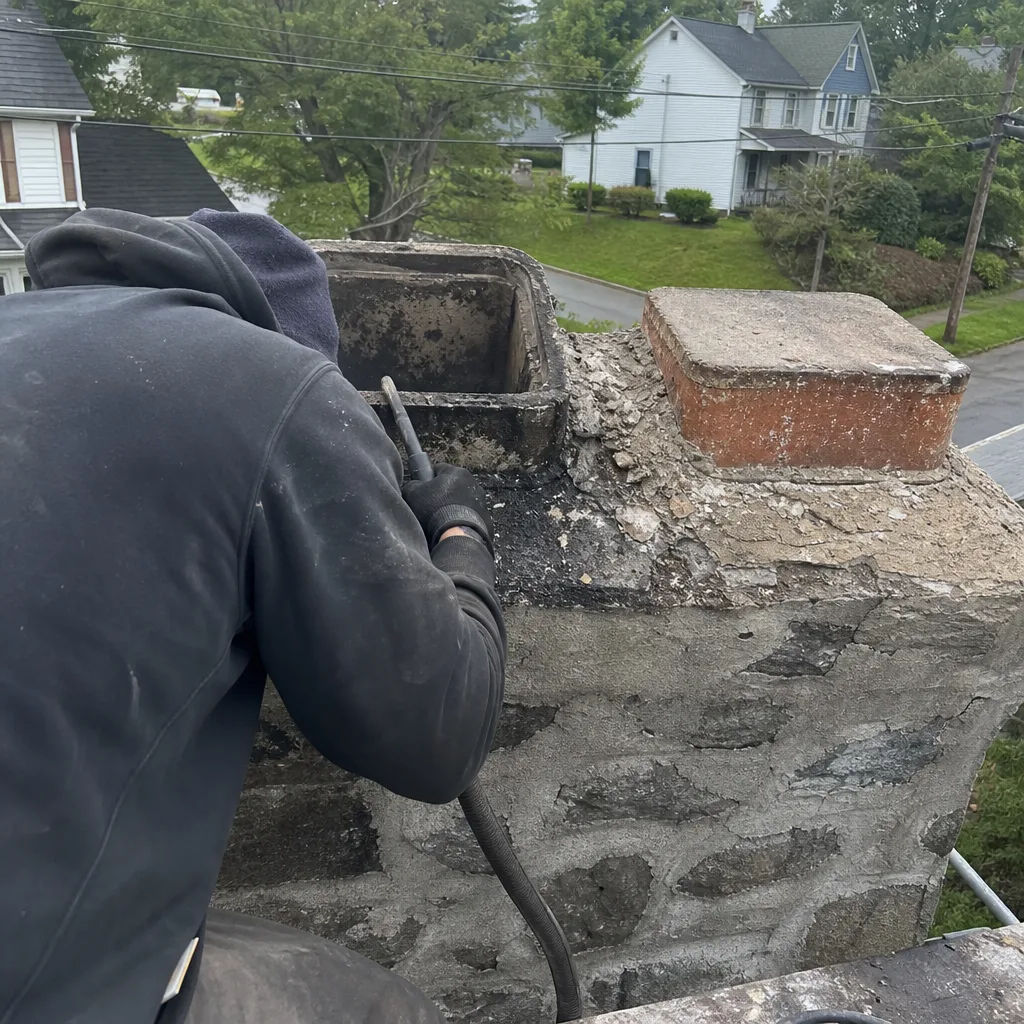 Before
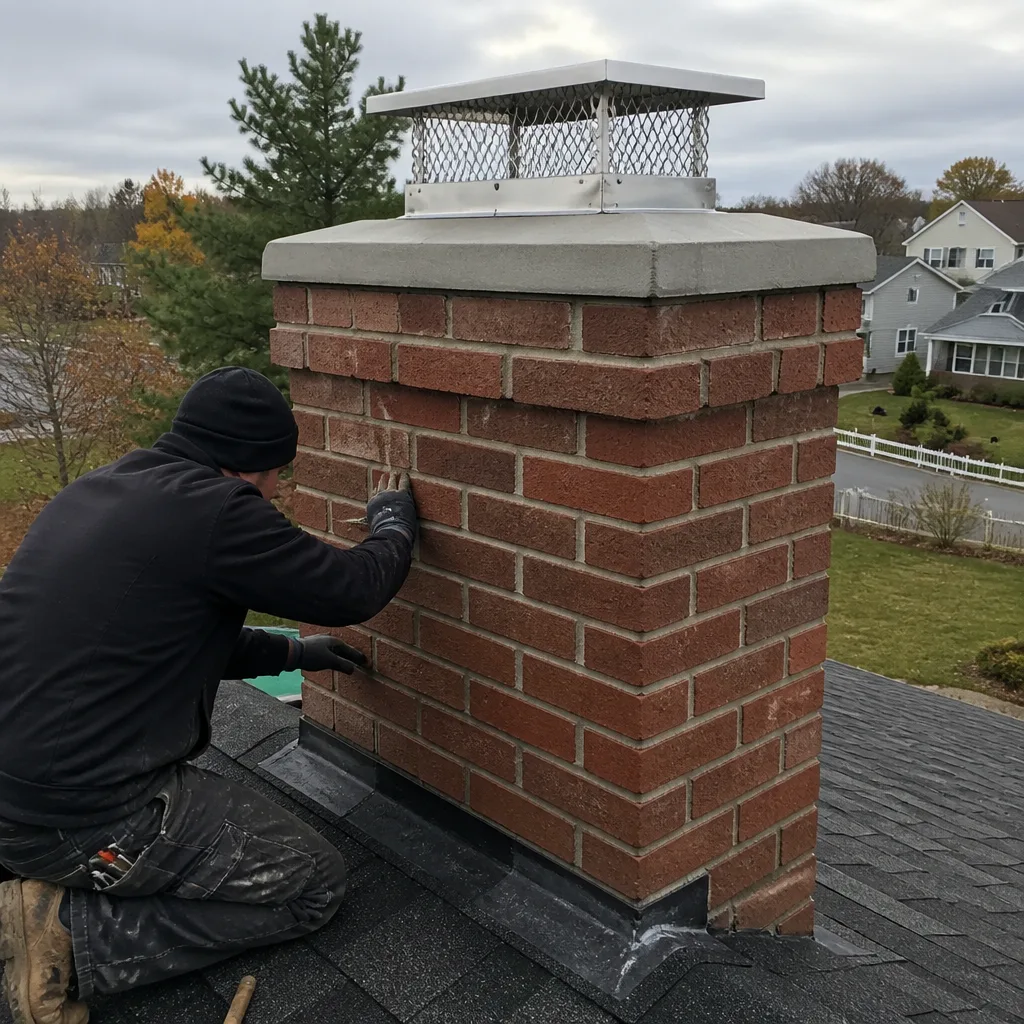 After
After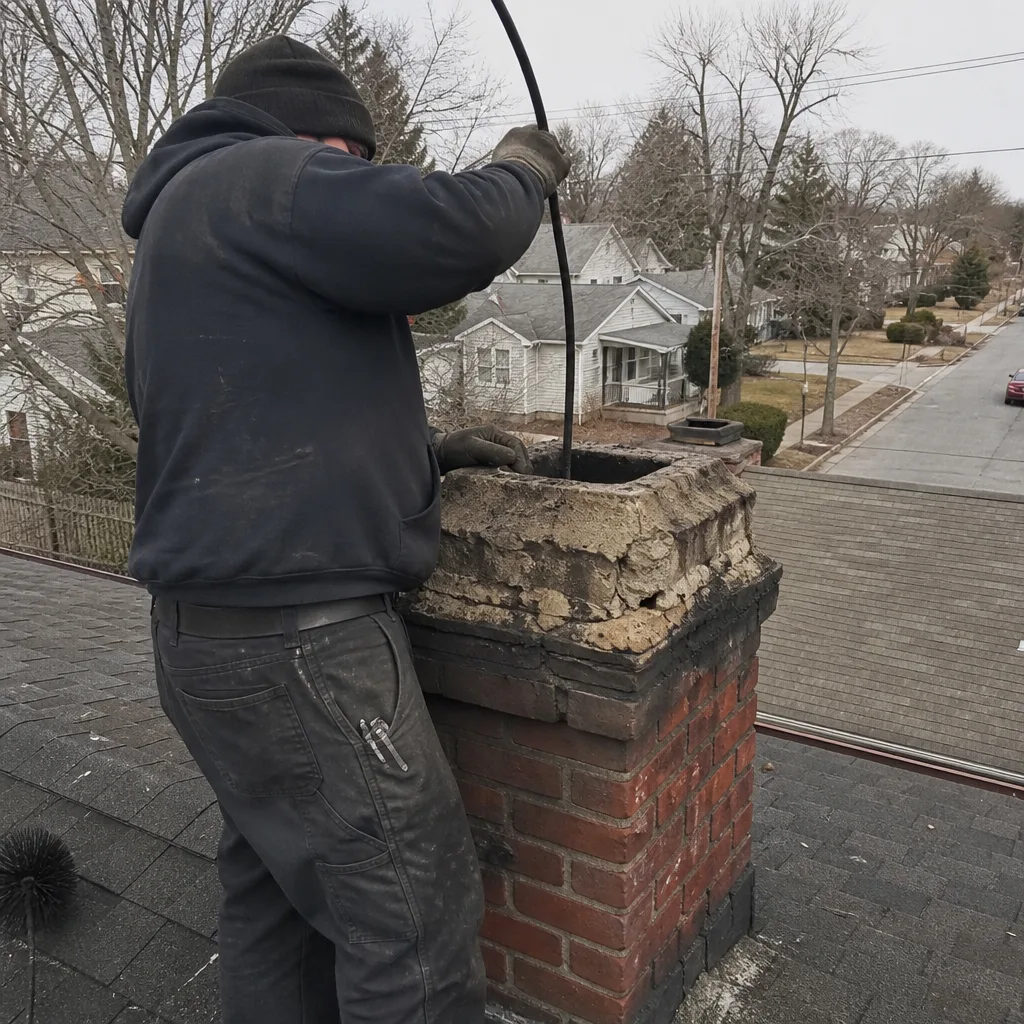 Before
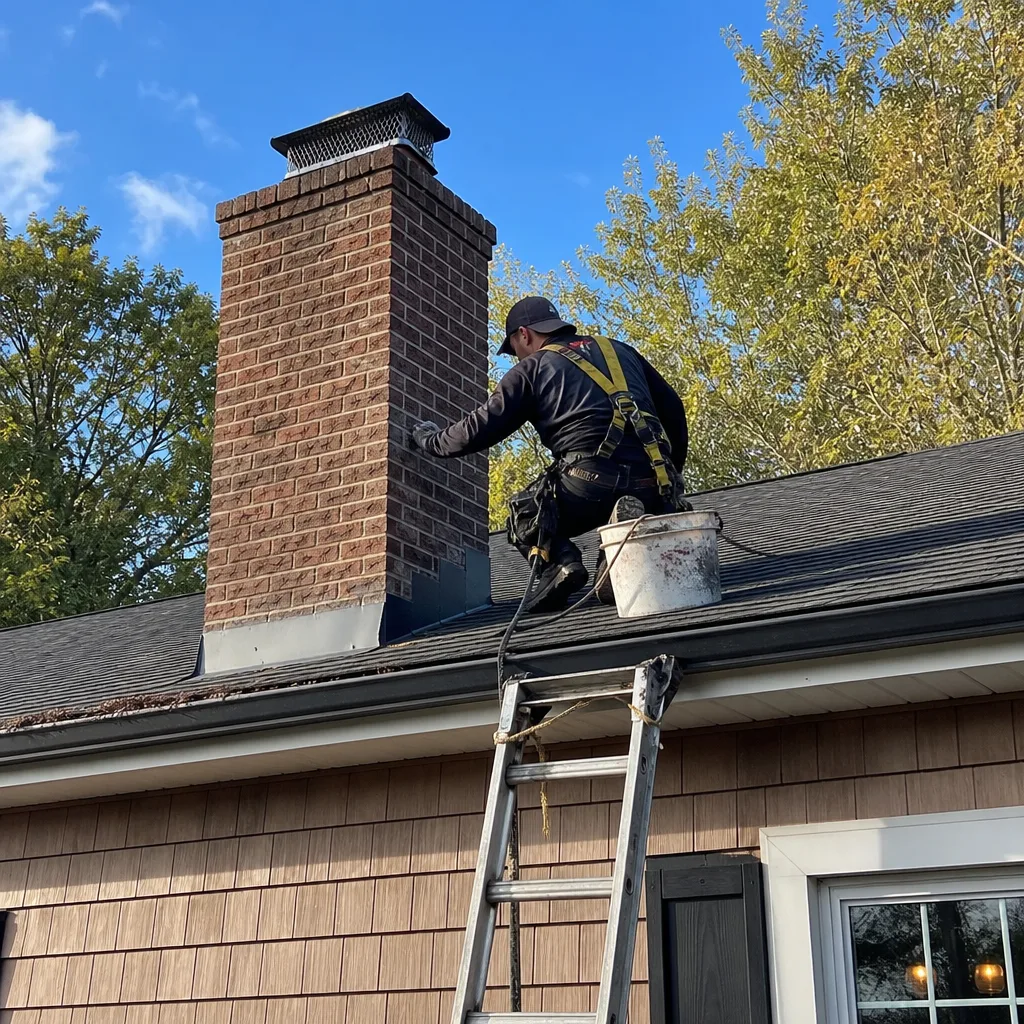 After
After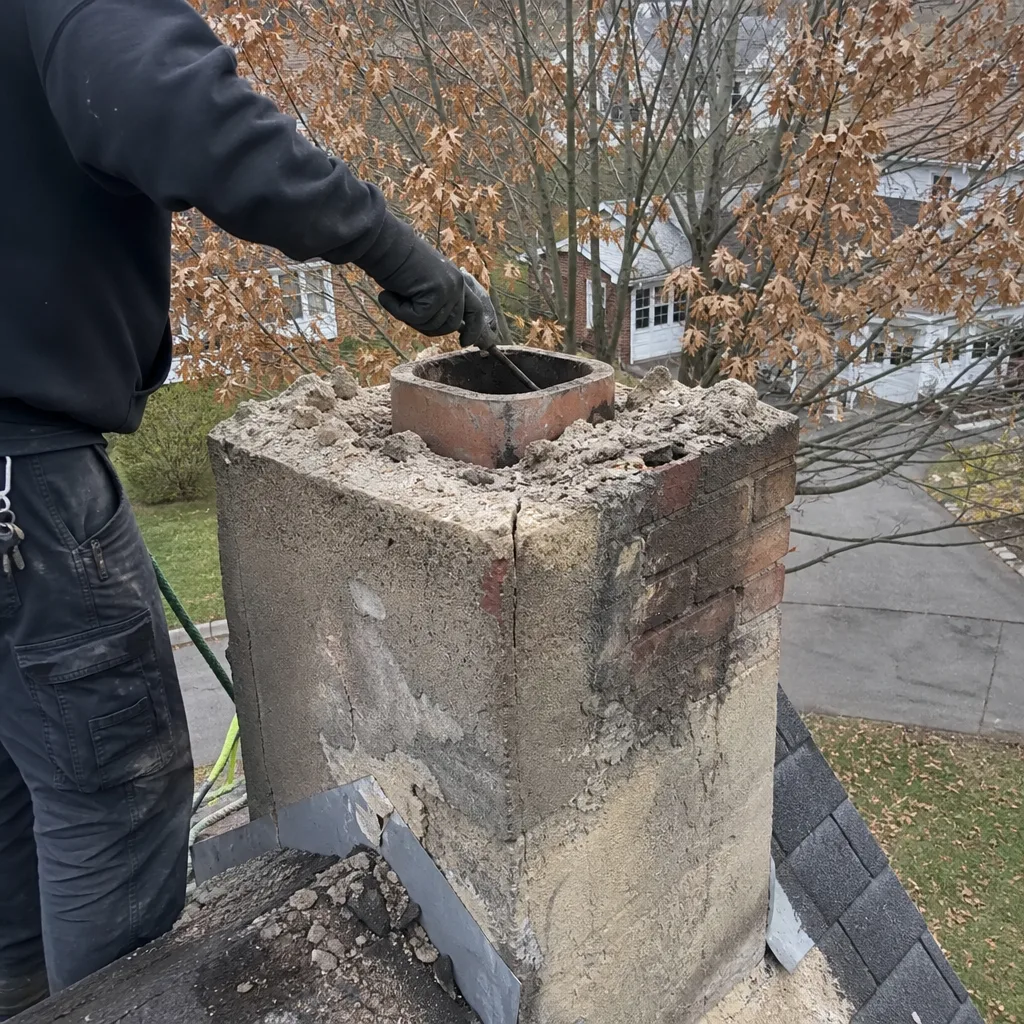 Before
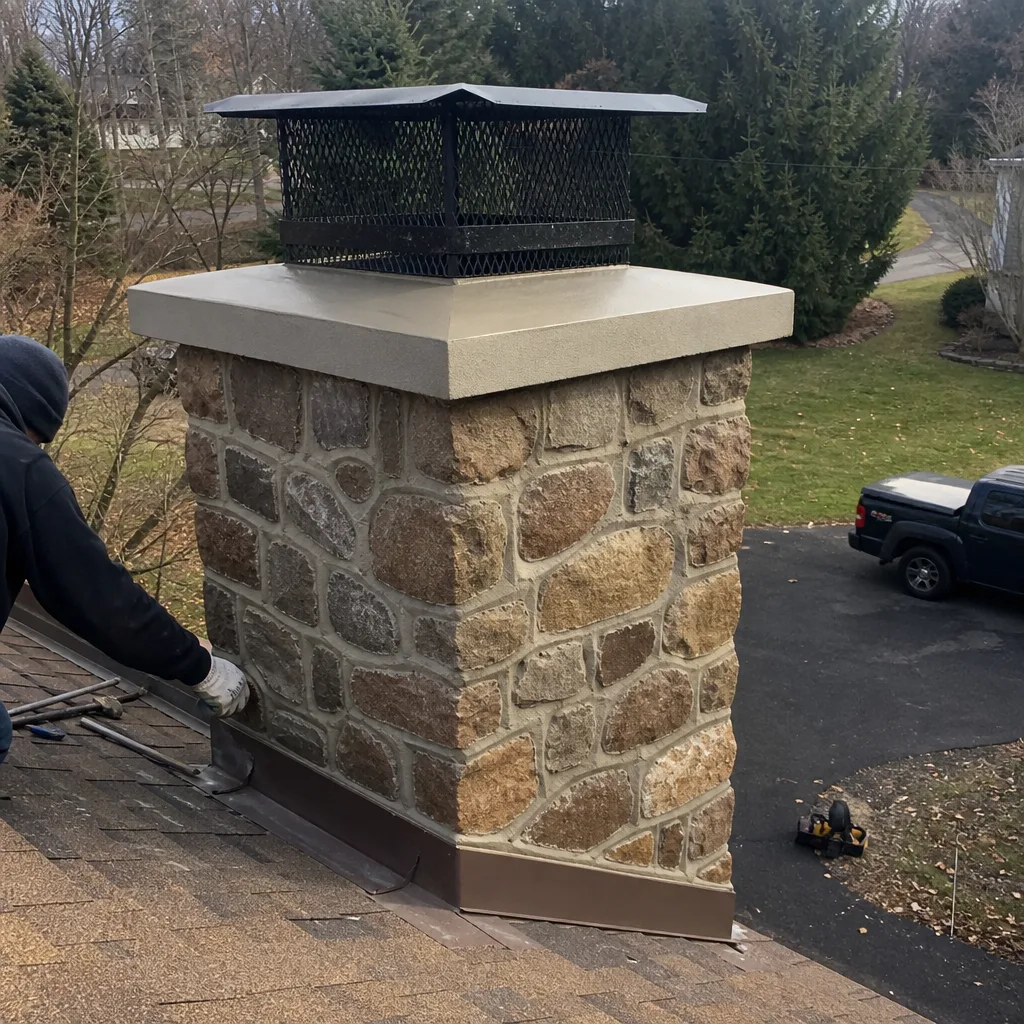 After
AfterHeatShield Chimney Cap Installation: The Northampton Owner’s Guide
We stock and install HeatShield-compatible chimney caps throughout Northampton, and most replacements run between $185 and $420 installed, depending on flue size and roof access. If you call before noon on a weekday, we can usually have Wendell or one of his crew out within a few days, not weeks. Most owners discover the problem the same way: a cap that’s rusted through at the base, bent from a storm, or missing entirely after a nor’easter rolled through Northampton and left the flue wide open to rain and squirrels.
HeatShield caps are solid products when matched correctly. The failure is almost never the cap itself. It’s what happens around it: water getting under the mounting band, rust at the fasteners, or a cap sized wrong by whoever put it on last. We see all three in Northampton’s older chimneys, especially the brick ones built before 1960.
Key takeaways:
- HeatShield caps are sized by flue liner dimensions, not by the outside of the chimney. Measure the liner, not the brick.
- Most failures happen at the mounting band and fasteners, where PA freeze-thaw cycles do their worst work.
- We’re an independent installer. We’re not part of HeatShield, which means we tell you honestly whether their cap or a different one fits your chimney better.
- Every cap install comes with the 90-Day Done Right Promise in writing. If it’s loose, leaking, or wrong, one call and we’re back at no charge.
Which HeatShield Models This Applies To
HeatShield makes caps in standard round flue sizes: 6″, 7″, 8″, and up, with housing slips matching both single-wall and double-wall liner systems. The liners themselves are usually stainless, which is why we also work with DuraFlex and Gelco products in the same chimney, the cap has to match whatever liner is actually inside the flue, not the brand stamped on the chimney chase.
The easiest way to identify your cap is to look for the stamped number on the underside of the lid or the mounting band. If it’s gone, a tape measure across the clay tile or stainless liner opening tells us everything. That’s the number that matters. One Northampton-specific note: a lot of the older rowhouses near Lincoln Avenue have odd-sized clay tiles from original construction, 7.5″ or 9″, not the standard 6″ or 8″. An off-the-shelf HeatShield cap won’t fit those without an adapter plate, which we keep on the truck.
Aftermarket caps have gotten better over the years. Some are truly interchangeable with the HeatShield brand and cost $30 to $60 less. Some are flimsy. We stock the ones we trust and will tell you which is which if you ask for the honest version. For the money, HeatShield’s stainless caps hold up well in Northampton winters, but the mounting hardware is where they fail first, and that’s true of every brand we install.
Signs Your HeatShield Chimney Cap Installation Is Failing
- Rust streaks running down the cap or mounting band. This means water is sitting against galvanized or lower-grade stainless parts. In Northampton’s freeze-thaw winters, that water expands and contracts every few days, and the rust spreads into the fasteners.
- Cap wobbles or sits crooked when you look from the ground. The screws that hold the cap to the flue or the chase cover are loose. A crooked cap lets rain fall off the wrong side and straight into the flue opening.
- Bird or squirrel noises from inside the chimney. A missing or shifted cap is an open lobby to anything that can climb. We’ve pulled nests out of flues that were silent all summer but turned into a smoke backup in November.
- Water stains on the ceiling or walls near the chimney. A cap that’s not shedding water properly often sends it down the outside of the liner and into the attic. By the time you see a stain, the leak’s been working for a while.
- Draft problems that weren’t there last year. A bent cap screen or collapsed ring restricts airflow just enough to make the fireplace sluggish. Wendell has seen caps so clogged with creosote dust and nests that the flue could not breathe at all.
Replacement Cost & What’s Included
In Northampton and the surrounding county, an installed HeatShield-compatible cap runs $185 for a simple round replacement on a single-flue chimney with easy roof access. The price climbs to $420 when the chase cover needs work, the flue is oversized, or the roof is steep enough that we’re running ladder safety lines. What drives the range is access and whether the old cap’s fasteners have corroded into the tile to the point we have to cut them out, which happens more often than we like in this climate.
The quote you get before any work starts includes the cap, the mounting hardware, the install, and a written 90-Day Done Right Promise. No surprise line items at the door. The number you hear is the number on the invoice. And we don’t recommend a full chimney rebuild just because a cap failed, if the cap is the only thing wrong, that’s the only thing we fix.
Call (484) 859-1367 for an exact quote. The estimate is free, and if you’ve already got a written estimate from someone else, we’ll give you a second opinion at no charge.
DIY or Call Us?
If you can safely get on your roof and you’re comfortable with basic hand tools, checking a cap is fine. Look for wobble, rust, and gaps around the mounting band. Take photos from the ground if you don’t want to climb. That’s useful, and it helps you decide whether this is worth your time.
What I’d not recommend is swapping the cap yourself on a steep Northampton roof or a two-story chimney chase. The safe ways to work on a chimney require a harness, a rope system, and someone on the ground who knows how to anchor it. Falls from chimney work are not the kind of accident you walk away from. And if the old fasteners are rusted into vintage tile, you can crack the flue tile trying to muscle them out, which turns a $185 cap job into a liner replacement that runs much more.
Wendell and his crew do this work every week. They’re background-checked, they show up in uniform, and they call if the arrival window slips. If the job does not need doing, Wendell will tell you that before any work is booked. If it does, the cap goes on right the first time. Call (484) 859-1367.
FAQs
A stainless HeatShield cap on a properly seated mounting band should last 10 to 15 years in Northampton weather. The hardware often goes first, especially the fasteners, so a cap’s lifespan depends more on how it was mounted than on the cap itself. We’ve seen well-installed stainless caps still solid after two decades, and poorly mounted ones rusted through in five.
Usually a failed cap can be repaired if the damage is limited to the mounting hardware or a bent screen. If the cap body itself is rusted through or the ring has deformed from heat, replacement is cheaper than repair and gives you a fresh start. We’ll give you the camera view of what’s actually failing before we quote a fix.
Most HeatShield cap installations in Northampton take 45 to 90 minutes from ladder up to tools back on the truck. If we’re also replacing a chase cover or cleaning the flue while we’re there, the visit runs longer. For a straight cap swap on a single-flue, you’re usually done in under an hour.
Yes, in the most common flue sizes: 6″, 7″, and 8″ round, plus adapter plates for older Northampton homes with non-standard clay tiles. If your flue is an odd size, we can usually have the right cap in hand within a couple of business days. A quick phone call to (484) 859-1367 tells you whether we have your size ready to go.
Written by Wendell Pike, Owner, Top Hat Chimney at Top Hat Chimney, serving Northampton and nearby areas.