
Level 1 sweep and inspection to the NFPA 211 annual standard - flue, crown, cap, and flashing checked and photographed
Chimney sweep logs do not sweep chimneys. They loosen some creosote - which then falls where a brush and vacuum still have to collect it.
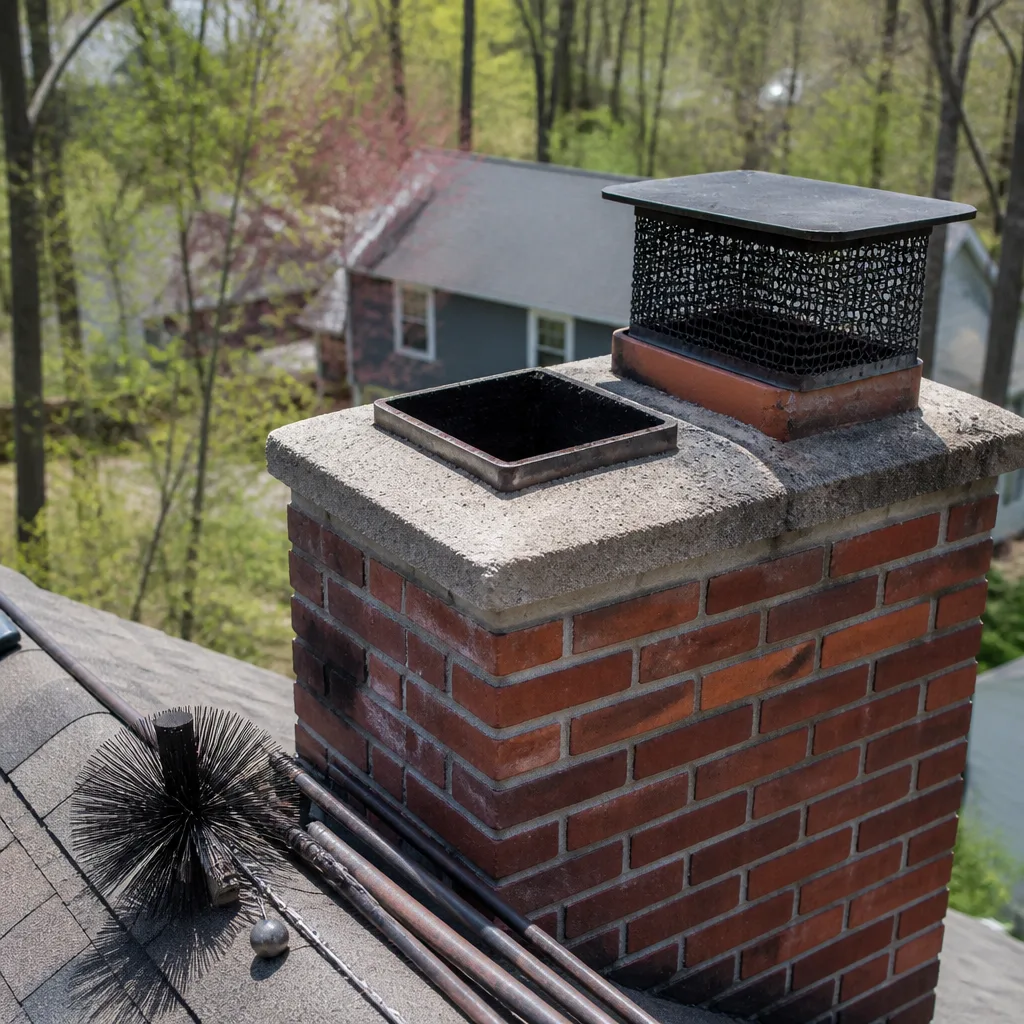
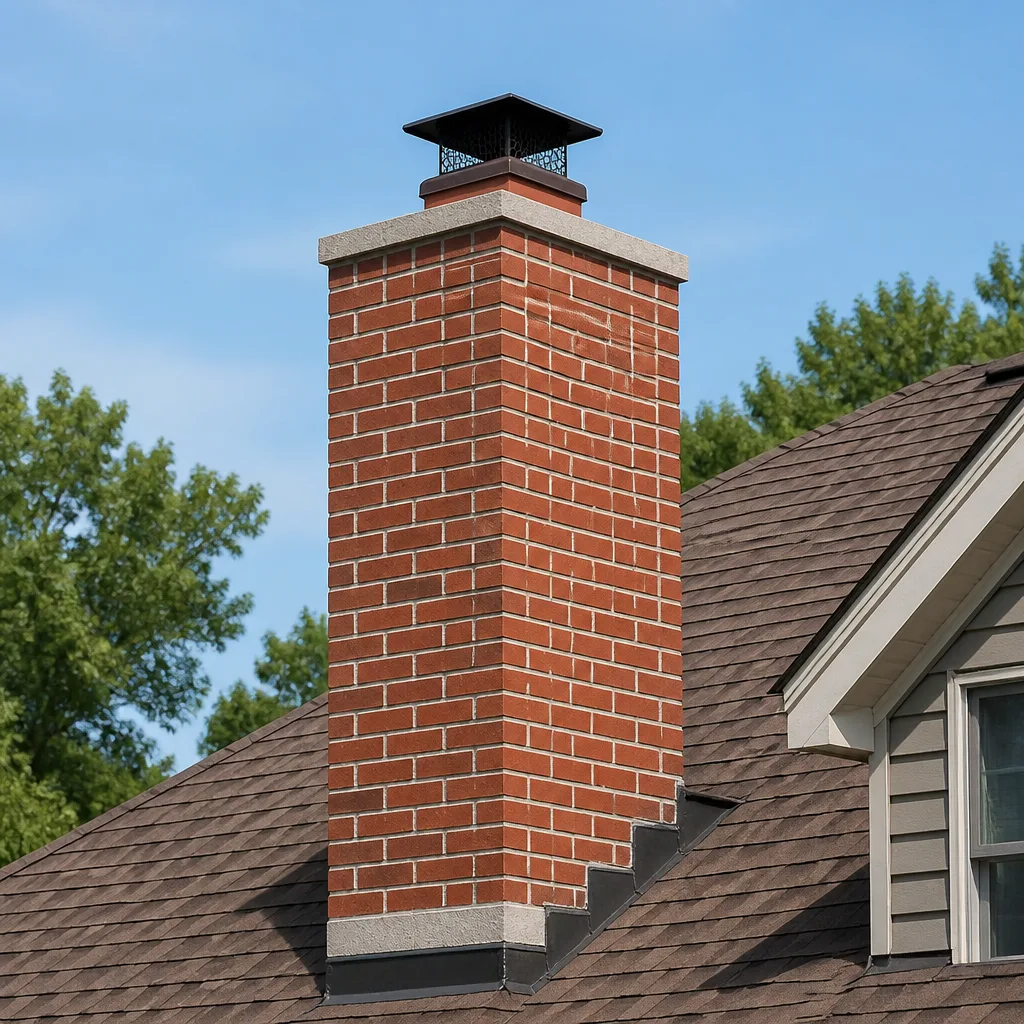
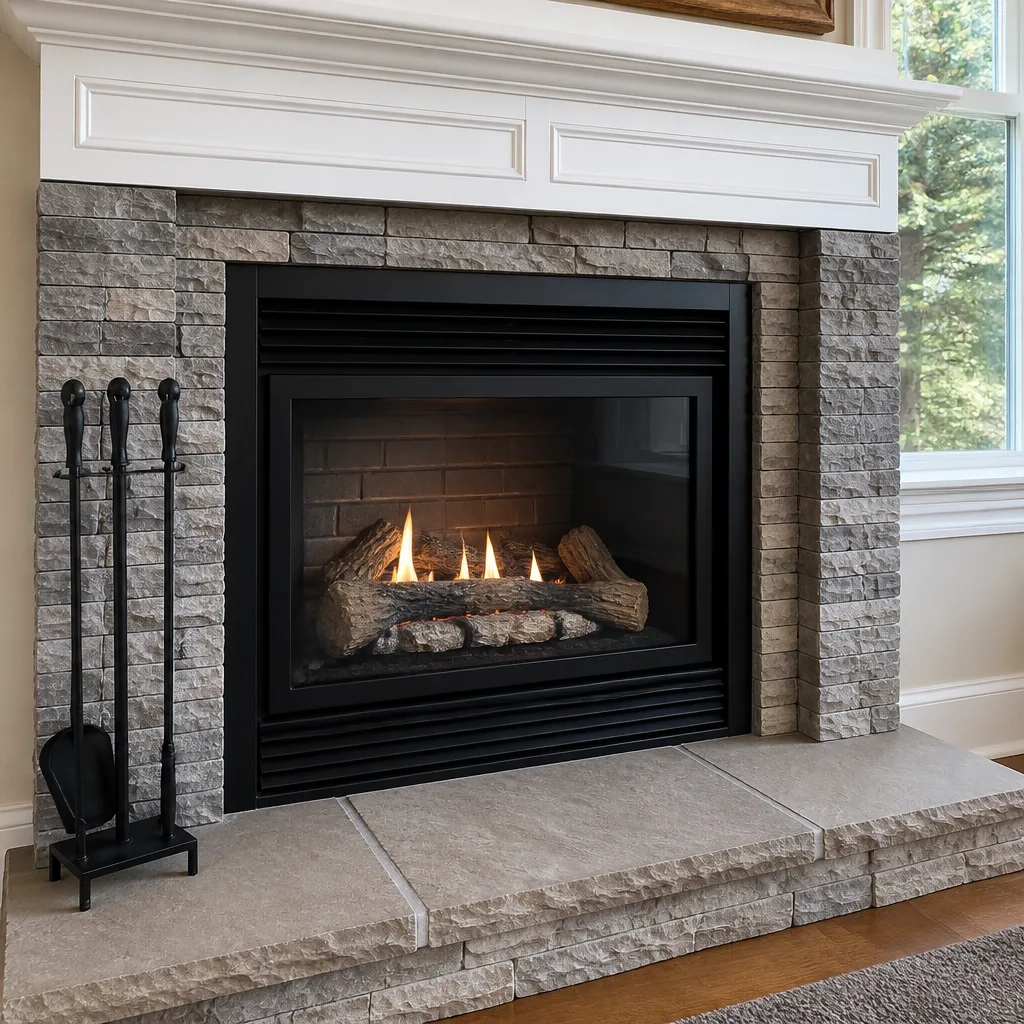
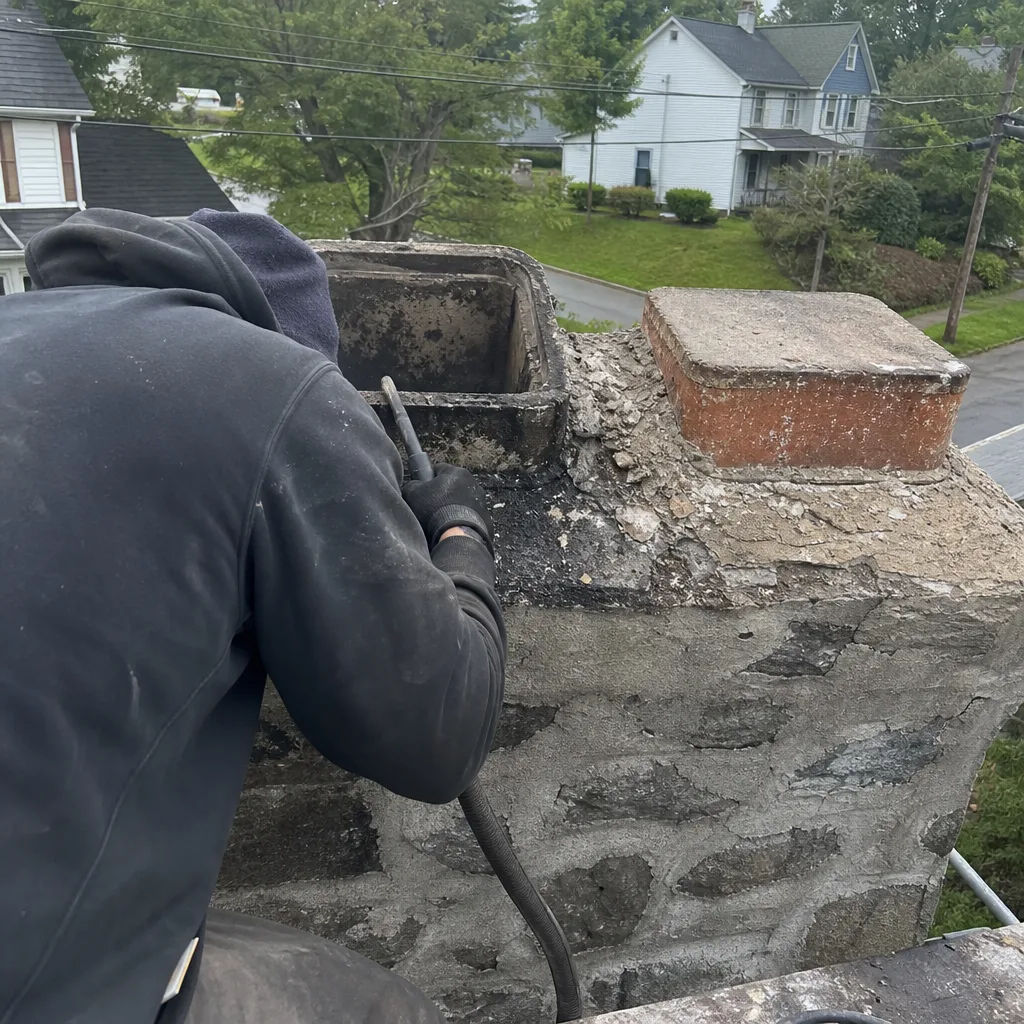 Before
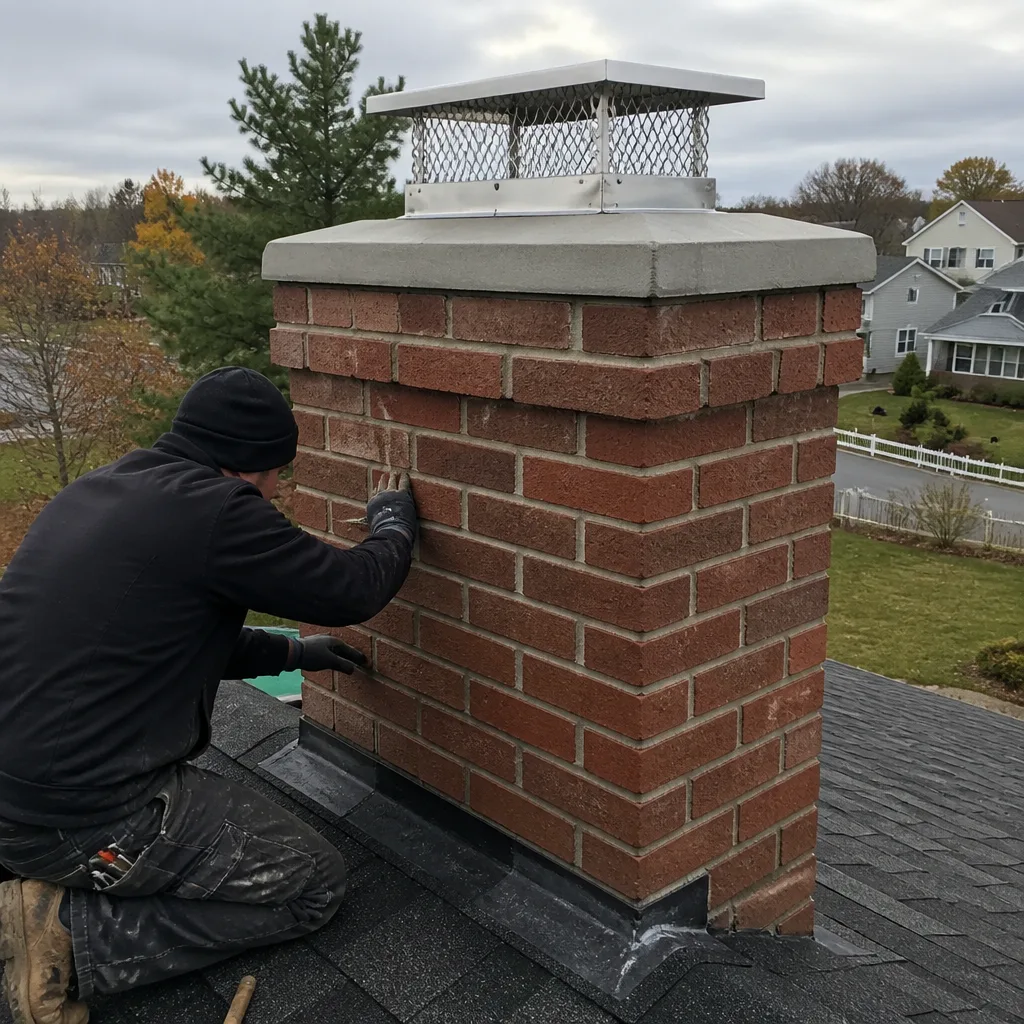 After
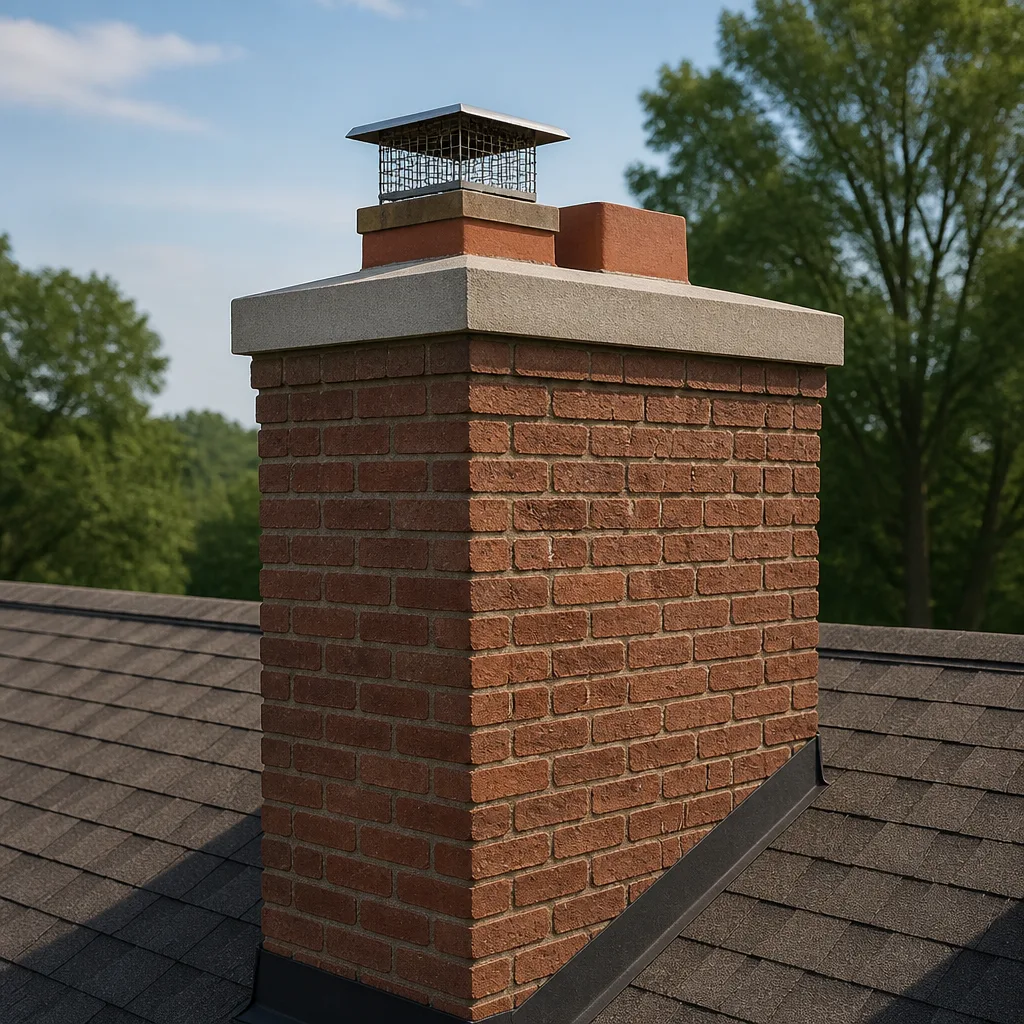
After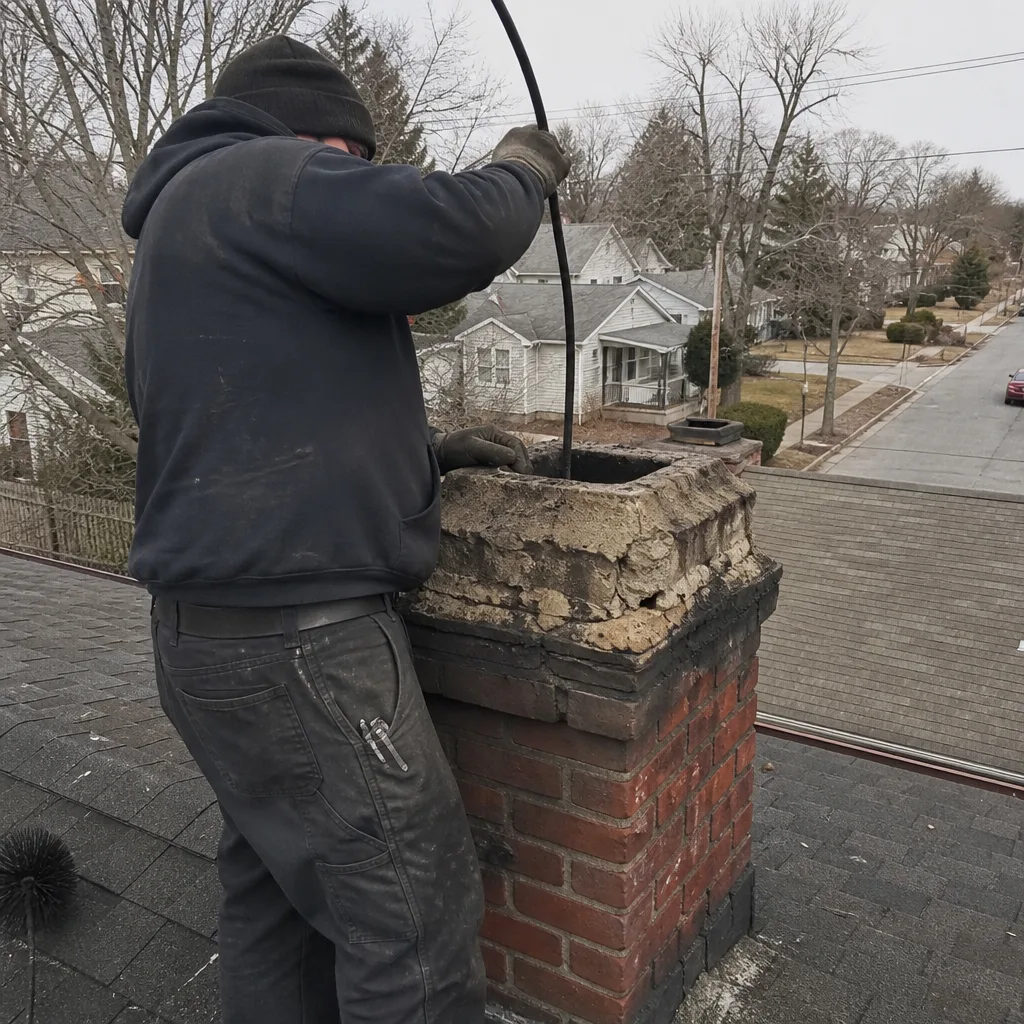 Before
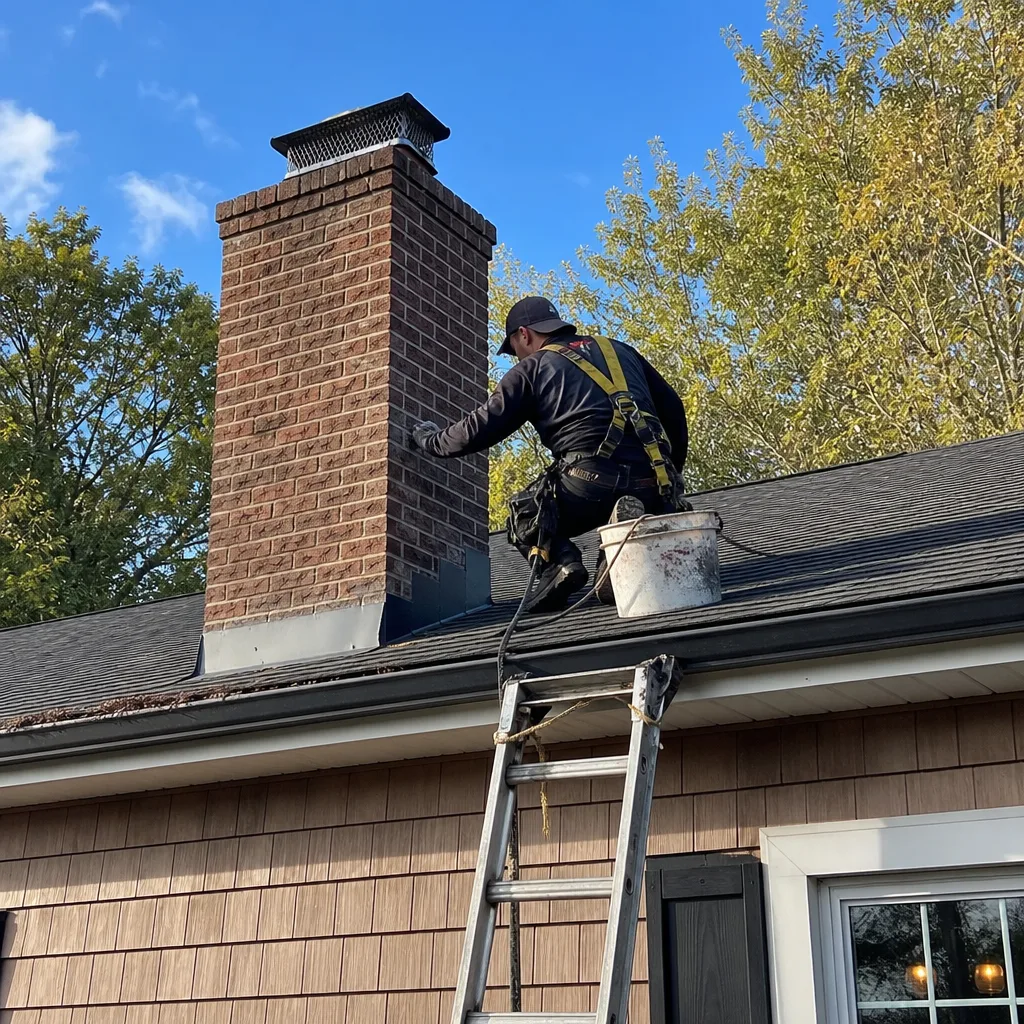 After
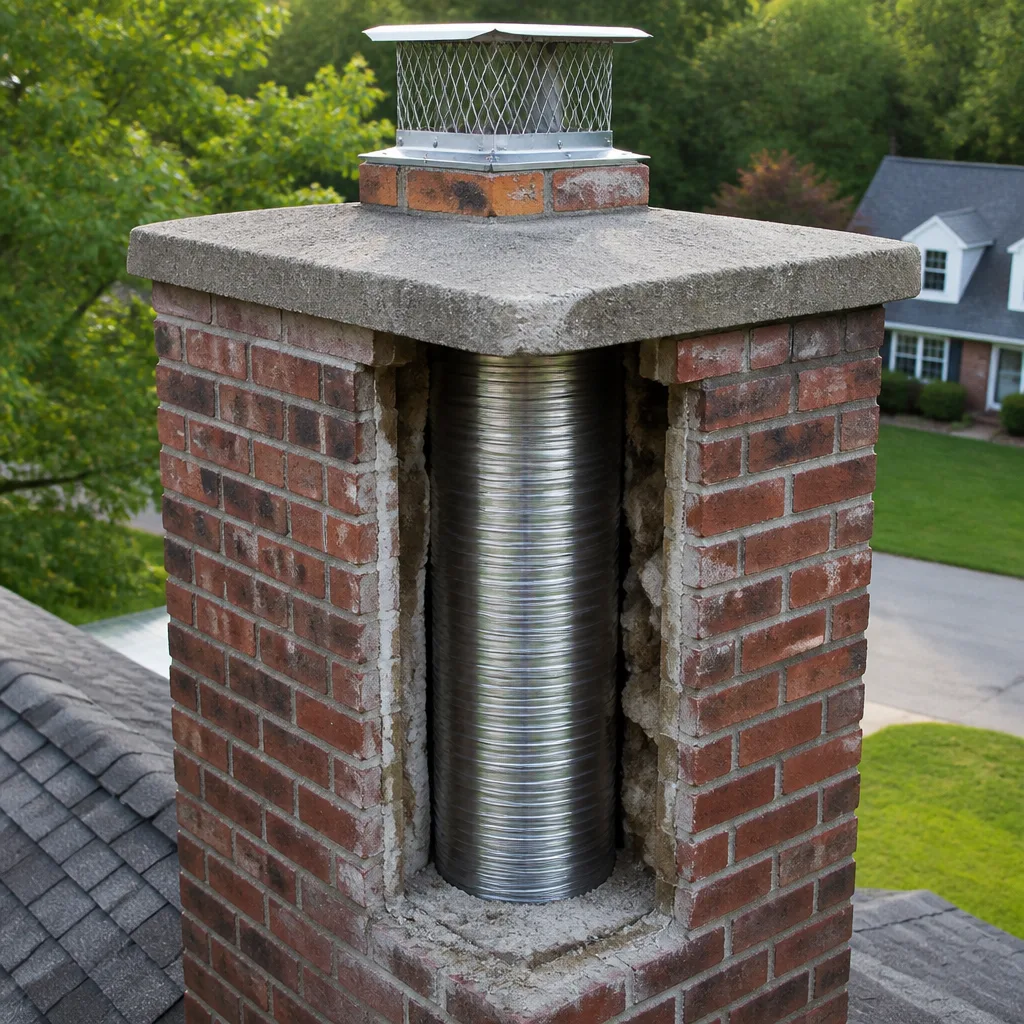
After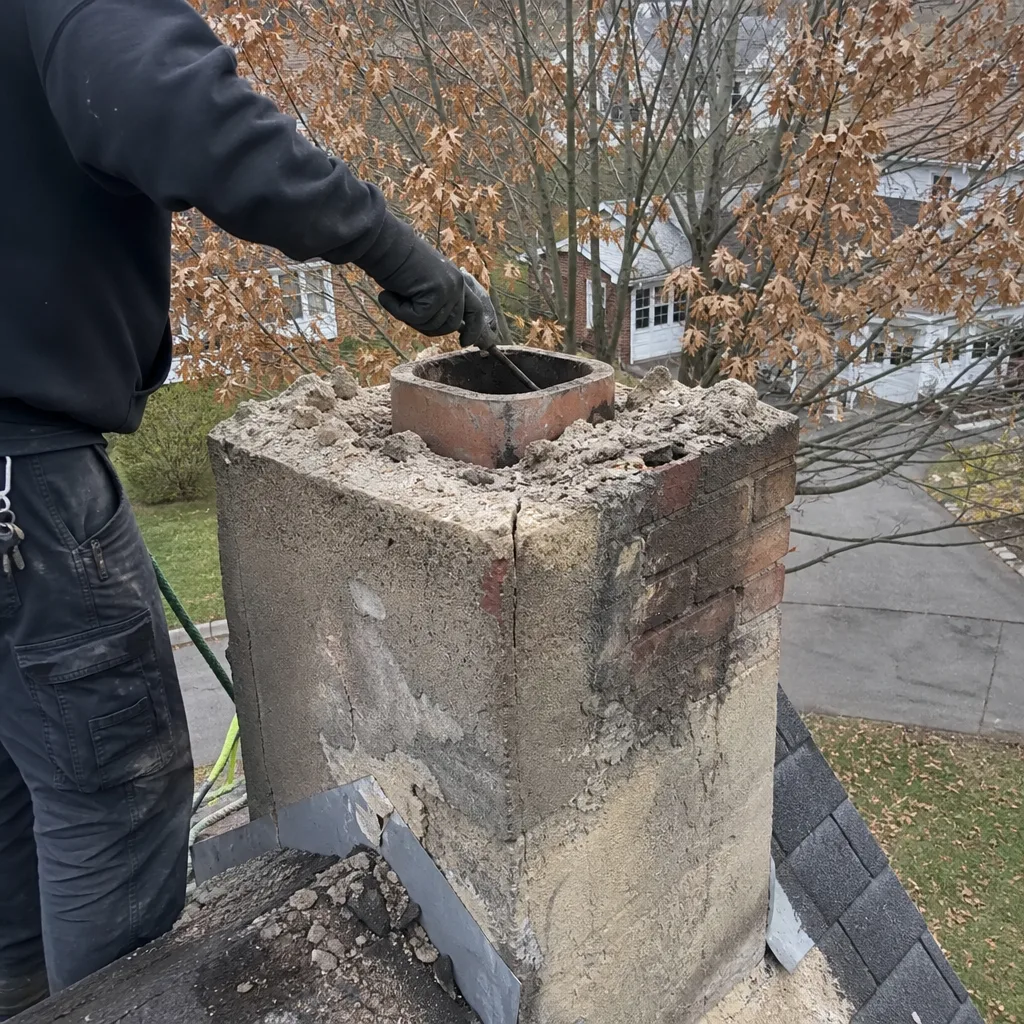 Before
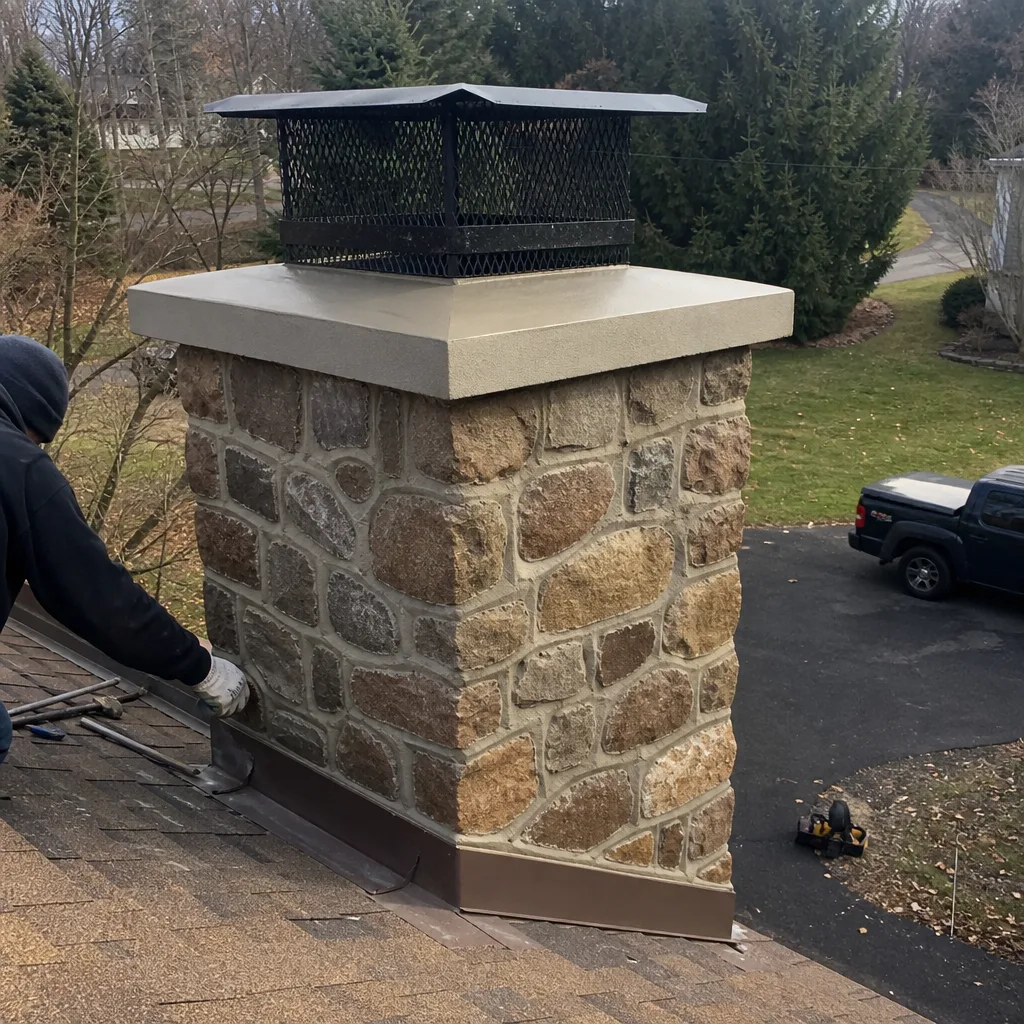 After
AfterFast, Reliable Chimney Cleaning & Sweep Across Bath
A chimney cleaning and sweep in Bath, PA typically costs between $189 and $329 for a standard fireplace or wood stove flue, depending on creosote buildup and whether a Level 2 camera inspection is included. Most Bath homes we service are done in a single visit, usually within 90 minutes to two hours. If you live in Bath’s borough core or the surrounding township, call (484) 859-1367 and we’ll give you a straight price before anyone rolls a truck.
We’ve worked Bath’s streets long enough to know what’s waiting inside its chimneys. The borough’s pre-1900 stone and brick rows are a different animal from the 1960s ranches out toward the township line. Wendell Pike and his crew have swept both, and we’ll tell you plainly whether your flue needs a brush, a camera, or nothing at all this year. That’s how we’ve done it since 1999, and that’s why Bath homeowners keep our number on the fridge.
This page covers what a Chimney Cleaning & Sweep actually involves in Bath, what it costs, and the problems we see most in this borough’s housing stock. If you want to skip straight to a price, scroll to the pricing section. If you want the honest answer about whether your chimney even needs sweeping this year, keep reading.
Why Top Hat Chimney Is Bath’s Preferred Chimney Cleaning & Sweep Company
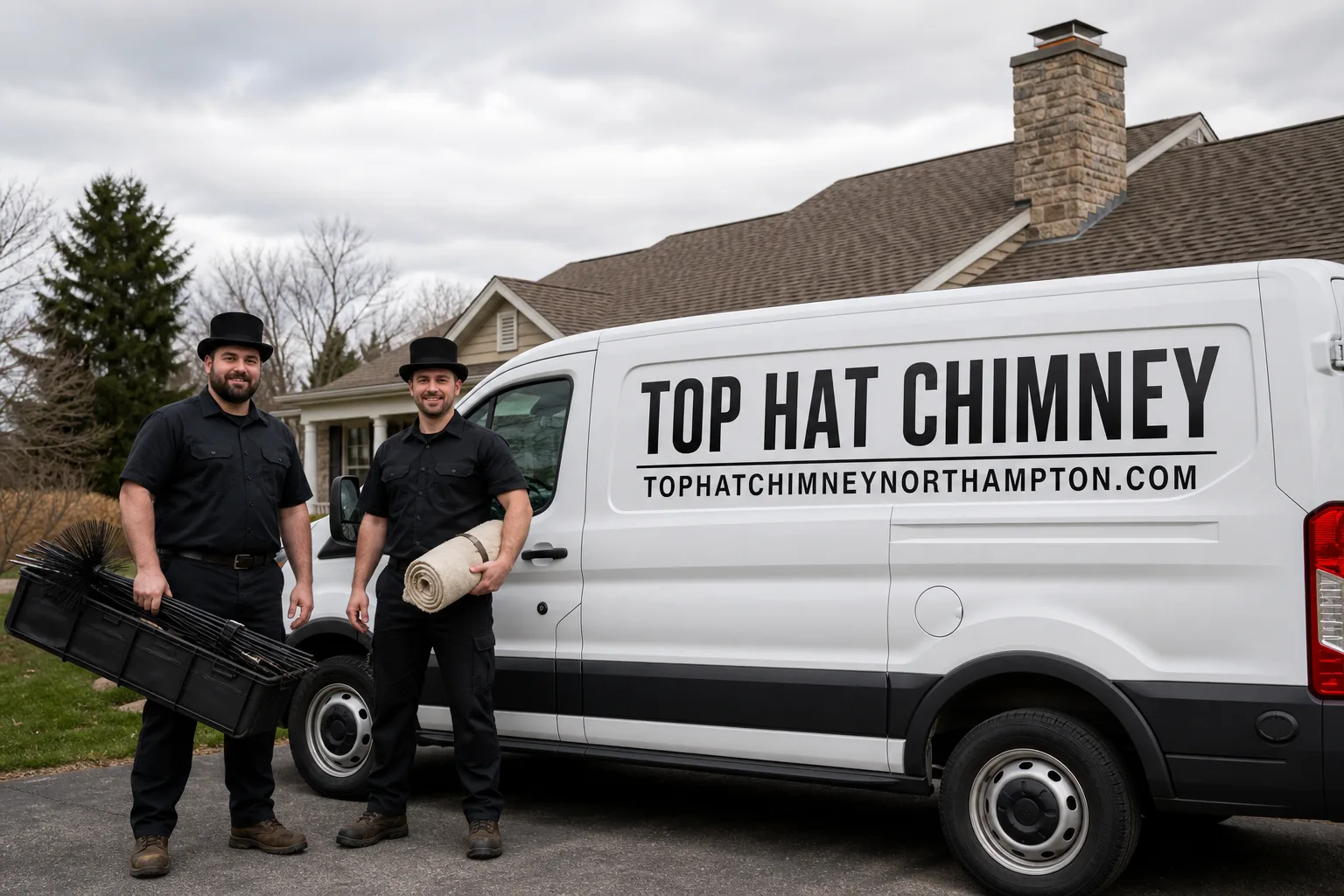
We’re not a franchise that rotated into the Lehigh Valley last spring. Top Hat Chimney has been owner-operated by Wendell Pike since 1999, and the name on the truck is the guy who answers when you call. Bath homeowners have a right to know who’s on their roof and inside their flue. Wendell puts his license number and name on every job, and you’ll likely run into him at the hardware store on Saturday.
Every sweep in Bath ends the same way: you get the 90-Day Done Right Promise in writing. If the job isn’t right, one call brings the crew back at no charge. No arguing, no fine print. That promise carries weight in a borough where word travels fast and a bad sweep is common knowledge on the block by Monday.
We answer the phone with a live person, 24/7. Not a voicemail box, not a call center in another state. Call (484) 859-1367 at 9 p.m. on a Sunday and you’ll reach a person. It may well be Wendell himself. For Bath residents, that matters when you smell smoke backing into the living room and need to know whether it’s an emergency or just a cold flue on a windy night.
Bath’s older homes demand a sweep who understands what he’s looking at. We do. The crew knows that a stone twin on Main Street and a brick row on Chestnut Street each have their own failure patterns, and we’ll explain what we find in plain English with camera footage to back it up.
Our Chimney Cleaning & Sweep Services in Bath
Most Bath chimneys need more than a brush run up the flue. Here’s what we actually do, and why each piece matters in this borough specifically.
Level 1 Inspection
A Level 1 inspection is the standard check we perform during every routine sweep in Bath. We verify that the flue is clear of obstruction, that the damper opens and closes properly, and that there’s no obvious structural compromise in the accessible portions of the chimney. In Bath’s attached rowhouses and twins, a Level 1 also means confirming which flue actually vents which appliance, since shared chases can make that less obvious than it sounds.
If your chimney has been swept in the last year and you haven’t changed anything, a Level 1 plus sweep is usually sufficient. If you’ve just bought a Bath home, you need more.

Level 2 Inspection
A Level 2 inspection adds a camera run through every flue in the chase, and in Bath this is where we catch the most expensive problems early. The borough’s dense older streetscape is packed with homes where a single chimney stack contains three or four separate flues: a coal furnace flue, an original wood fireplace flue, and a later gas water heater flue all sharing one masonry chase. A brush-only sweep clears one flue and tells you nothing about the cracked tile liner in the adjacent flue venting your neighbor’s gas appliance.
If you’re buying or selling a Bath home, changing fuel type, or you’ve never had the chimney camera-inspected since moving in, schedule a Level 2. The footage is yours to keep, and we’ll walk you through exactly what it shows.

Creosote Removal
Creosote isn’t one substance. It’s a family of deposits that range from flaky first-degree soot you can brush out to a hard, shiny third-degree glaze that resists a wire brush entirely. In Bath, we regularly find second- and third-degree creosote in the smoke chambers of Victorian fireplaces that burned coal for decades before wood ever touched the grate. First-degree creosote is a brush job. Third-degree is a glaze, and it often requires chemical treatment or mechanical removal tools that a standard sweep doesn’t carry.
We’ll tell you which degree you have, show you the camera shot, and only recommend removal if it’s actually necessary.

Soot Removal
Gas and oil appliances produce soot, not creosote, and Bath’s coal-to-gas conversion legacy means plenty of flues carry soot from modern appliances through chimneys built for something else entirely. Soot is less flammable than creosote but still restricts draft and clings to the flue walls. We remove it during a standard sweep, and in many Bath homes the bigger issue is that the flue is oversized for the gas appliance now using it. That sizing mismatch causes condensation, which turns soot into a paste that narrows the flue faster than either deposit alone.

What happens when you call
- 1
A real person answersNo phone trees - you reach a local pro.
- 2
You get an upfront price rangeHonest numbers before anyone is dispatched.
- 3
A background-checked tech heads outLicensed & insured, dispatched right away.
- 4
You approve before work beginsNothing starts until you say go.
Trusted Brands We Service in Bath
When a Bath chimney needs more than a sweep, we use products we’d put in our own homes. Top Hat Chimney installs and services Copperfield caps and dampers, DuraFlex stainless liners for gas and oil conversions, and HeatShield cerfractory flue sealant for damaged tile liners. We keep common parts stocked for Bath’s older masonry chimneys, so a cracked flue tile doesn’t mean waiting two weeks on a special order.
If a national outfit quoted you a relining job, bring us the written estimate. We’ll give you a free second opinion, and if the work doesn’t need doing, Wendell will tell you that straight.
Common Chimney Cleaning & Sweep Problems We See in Bath Homes
- Shared chases mistaken for single-flue systems. In Bath’s attached stone and brick twins, it’s routine to find three or four flues sharing one chimney structure. Sweeping one flue while a neighbor’s gas water heater cross-drafts into the same chase is a real hazard, and it takes a camera to identify.
- Coal-to-gas conversions without proper relining. Bath’s original 18th- and 19th-century flues were built for coal. When homeowners converted to oil or gas, many never relined the flue for the new appliance. The result is an oversized flue that condenses constantly and accelerates creosote or soot buildup. Fireplaces and stoves in Northampton and Coplay deal with the same inheritance, but Bath’s dense pre-1900 core concentrates it block by block.
- Third-degree creosote glaze in former coal fireplaces. A brush-only sweep won’t touch it. We see hardened glaze in Victorian-era fireplaces around Bath that burned coal for generations before wood. This requires chemical treatment or mechanical removal, and skipping it is how chimney fires start.
- Crown and cap deterioration from freeze-thaw cycles. Bath sits just south of Blue Mountain, and the Wind Gap funnel drives cold northwest winds through this valley. Mortar spalling on 18th-century stone stacks is near-universal, and a cracked crown lets water into the chase, loosening mortar around every flue inside it.
Pricing for Chimney Cleaning & Sweep in Bath, PA
A standard chimney sweep with a Level 1 inspection in Bath runs $189 to $249 for a single-flue fireplace or wood stove. Add a Level 2 camera inspection and you’re at $249 to $329. If your Bath home has a shared chase with multiple flues, expect to pay per flue rather than per chimney: a three-flue row home stack typically runs $289 to $389 for a full sweep and inspection of all flues.
Creosote removal beyond a standard brush job adds cost depending on degree. Second-degree removal runs $50 to $150 extra; third-degree glaze with chemical treatment typically adds $150 to $350. Crown repair, cap replacement, and relining are separate quotes we’ll give you after the camera inspection, not before we’ve seen the flue. We never quote a liner on a phone call.
Every Bath sweep includes the camera footage, a plain-English report, and the 90-Day Done Right Promise in writing. Pricing is upfront before a tool comes off the truck. Seniors and veterans always get 10% off, and there’s no trip charge for calls inside the county. Call (484) 859-1367 for an exact quote.
We Also Serve Cities Near Bath
Top Hat Chimney handles Chimney Cleaning & Sweep in Bath and the surrounding boroughs. If you’re in Northampton, Coplay, Catasauqua, or Palmerton, the same crew, the same pricing, and the same written guarantee apply. Scheduling is coordinated from our Philadelphia office, and crews serve Bath and the nearby communities locally, so you get a real arrival window and a call if it slips.
Serving Bath, PA - Our Local Coverage Area
We’re based in the Bath area and know this community well. Use the map below to see our service coverage - if you’re nearby, we can almost certainly help.
FAQs - Chimney Cleaning & Sweep in Bath
The flue you pay to have cleaned is the flue connected to your fireplace or appliance, not your neighbor’s. But in Bath’s attached rows and twins, a chimney stack often contains multiple flues serving different homes, and a proper sweep should always start with identifying which flue is yours. We camera the chase to confirm separation, and if we find your neighbor’s flue venting into a shared cavity, we’ll flag it. That’s a Level 2 inspection issue, not a standard brush job. Call (484) 859-1367 if you’re unsure what you’re dealing with.
Every year, burn or no burn. Coal-built flues in Bath’s pre-1900 housing stock were never designed for the condensation and draft behavior of modern gas or wood appliances, so they accumulate deposits faster than newer chimneys. Once a year is the floor, not the ceiling. If you burn wood regularly in a converted coal fireplace, schedule mid-season and post-season sweeps. The camera footage from each sweep tells us whether you can stretch the interval safely. For an exact recommendation on your specific home, call (484) 859-1367.
Third-degree creosote looks like a hard, shiny black glaze fused to the flue wall, and no, a standard brush won’t remove it. It’s common in Bath’s Victorian and earlier fireplaces that burned coal for generations, because coal tar deposits hardened into a glaze that wood-burning creosote then layered over. Removal requires chemical treatment or mechanical rotary tools, and it adds cost to a sweep. If you see shiny deposits when you shine a flashlight up the flue, don’t wait. Call (484) 859-1367 and we’ll camera-inspect before recommending any removal.
Freeze-thaw cycling. Bath’s stone and brick stacks sit through repeated freezing nights and thawing afternoons, and the Wind Gap funnel pushes cold air through this valley harder than in surrounding areas. Water seeps into hairline crown cracks, freezes, expands, and widens the crack. Over Bath’s 30-plus inches of annual snow, that cycle repeats dozens of times each season. A cracked crown lets water into the chase and loosens mortar around every flue inside. Repairing the crown early is a few hundred dollars; rebuilding a water-damaged multi-flue chase is thousands.
Yes, but the problems are different. Bath’s township adds 1950s through 1970s ranches and split-levels with factory-built metal fireplace inserts, and these systems fail through aging liners, failed seals, and rusted caps rather than creosote glaze. A sweep of a prefab system still removes creosote and soot, but the inspection focuses on the metal liner joints and the termination cap. Most prefab inserts in Bath are 40 to 60 years old now, and many have liners past their service life. We’ll tell you whether yours is safe or needs replacing, with photos to back it up.
Bath’s Shared Chases & Coal-Flue Legacy: Why This Page Isn’t Generic
Bath’s downtown blocks are dense with pre-1900 Pennsylvania German stone and brick construction: rowhouses, attached twins, and freestanding Victorian homes, most still running their original masonry chimneys through decades of patches and conversions. On a tight block of attached stone twins near Bath’s historic core, our crew swept a shared three-flue chase where the neighbor’s gas water heater vented into the same stack as two wood flues. The original coal flue had never been relined; first-degree creosote had hardened into second-degree in the smoke chamber, and a camera run found a cracked tile liner letting flue gases drift into the adjacent apartment. We removed the creosote, flagged the liner for a HeatShield repair, and installed correct caps so the neighbor’s appliance stopped backdrafting into the firebox.
That configuration is common in Bath’s compact older streetscape, where one chimney stack serves three or four separate flues from different eras. A cleaning that skips camera inspection of each tile liner can miss cross-drafting putting carbon monoxide into a neighbor’s living space. Wendell and his crew have seen it enough times to know that the first question in a Bath rowhouse is never “how dirty is the flue” but “which flues are in this chase, and are they all still separated?” Ask anyone on your street who’s had a scare; the answer comes back the same.
The surrounding township adds 1950s and 1960s ranch and split-level homes with prefabricated metal fireplace inserts that face their own aging liner and seal issues. So Bath gives us two housing stocks with two different failure modes, and the sweep who treats them the same misses half the job. We don’t.
When to Call a Sweep in Bath, and What to Do Before We Arrive
If you smell smoke backing into the house on windy nights, hear birds or see falling debris inside the firebox, or notice a shiny black glaze when you shine a light up the flue, schedule a sweep. If you’ve just bought a Bath home and have no record of the last cleaning, schedule a Level 2 inspection with camera. If you burn wood more than twice a week, don’t wait for the calendar to tell you; call before the burning season starts.
Before the crew arrives, don’t light a fire for 24 hours so the flue cools. Move furniture away from the hearth. If you have a gas water heater or furnace venting into the same chase, shut that appliance off during the sweep per standard safety practice. Then just wait for the sweep to show up, which for Bath residents is usually within one to two business days of calling, often sooner.
When we’re done, you’ll have the camera footage and a plain-English verdict. Every time, no exceptions. If your chimney doesn’t need sweeping this year, Wendell will tell you that and leave without charging for work you didn’t need. That’s the only way he’s run Top Hat Chimney since 1999, and it’s why Bath homeowners keep calling back.
Get Your Bath Chimney on the Schedule
Call (484) 859-1367 and you’ll talk to a live person who can quote a price, answer your question, and book a time that works. We serve Bath and the surrounding boroughs year-round, with no trip charge inside the county and 10% off always for seniors and veterans. If you’ve got a written estimate from another company, bring it. We’ll give you a free second opinion, and if the work doesn’t need doing, we’ll say so. That’s the whole point of hiring a local sweep who puts his name on the truck.
Written by Wendell Pike, Owner at Top Hat Chimney, serving Bath and the Lehigh Valley since 1999.