

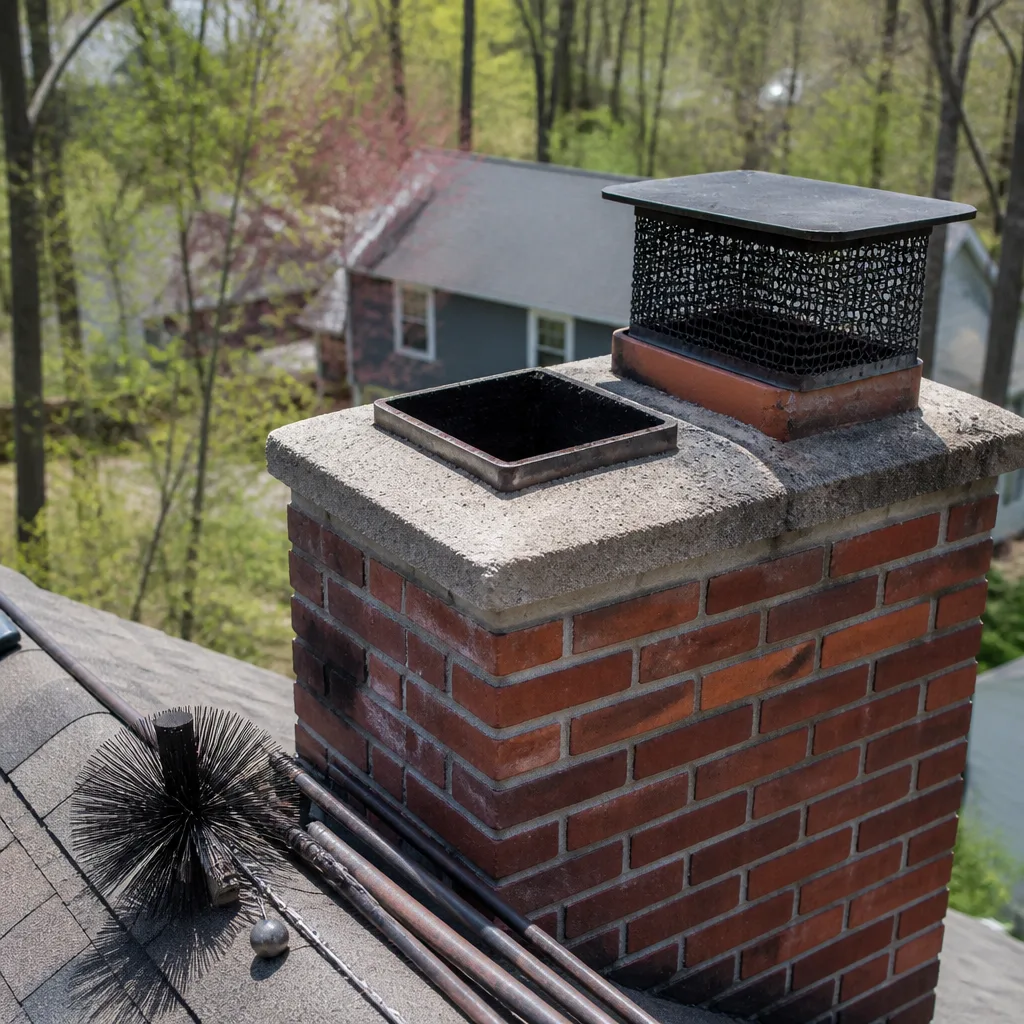
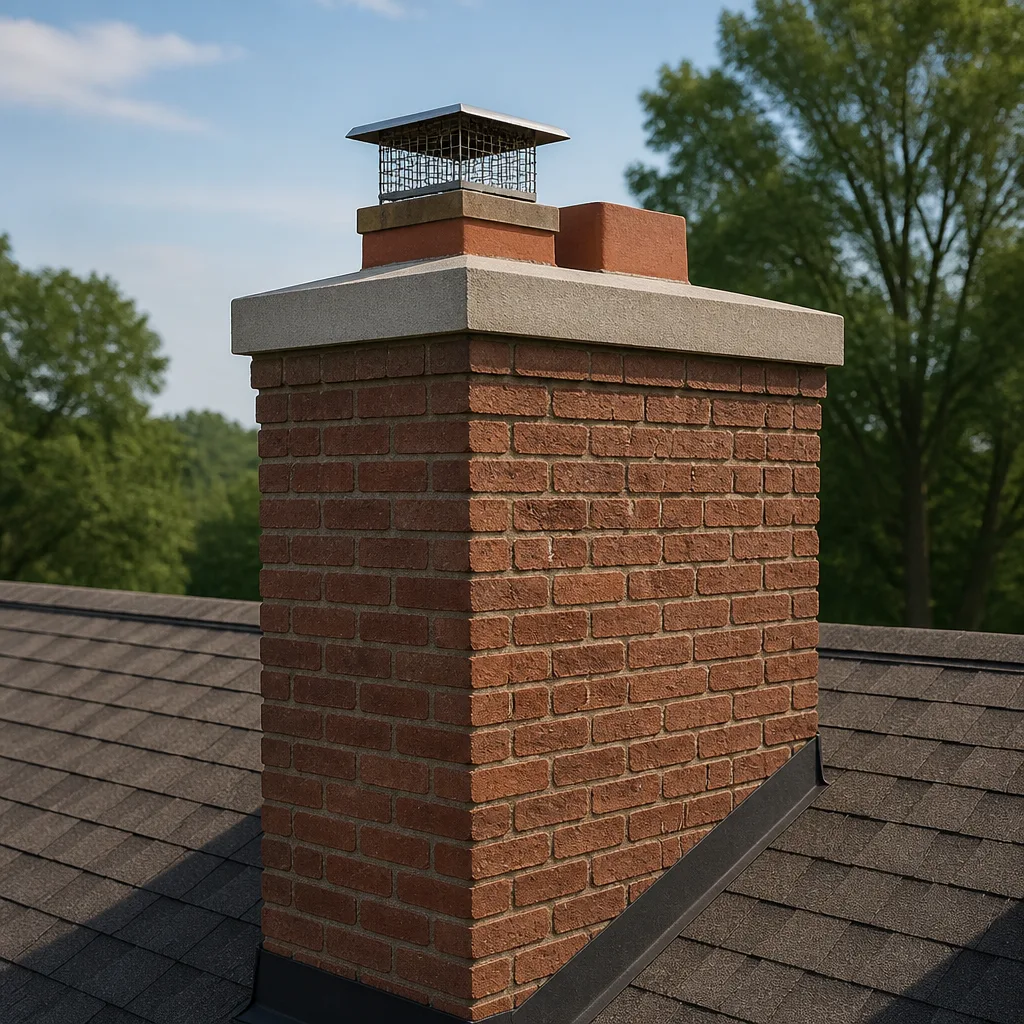
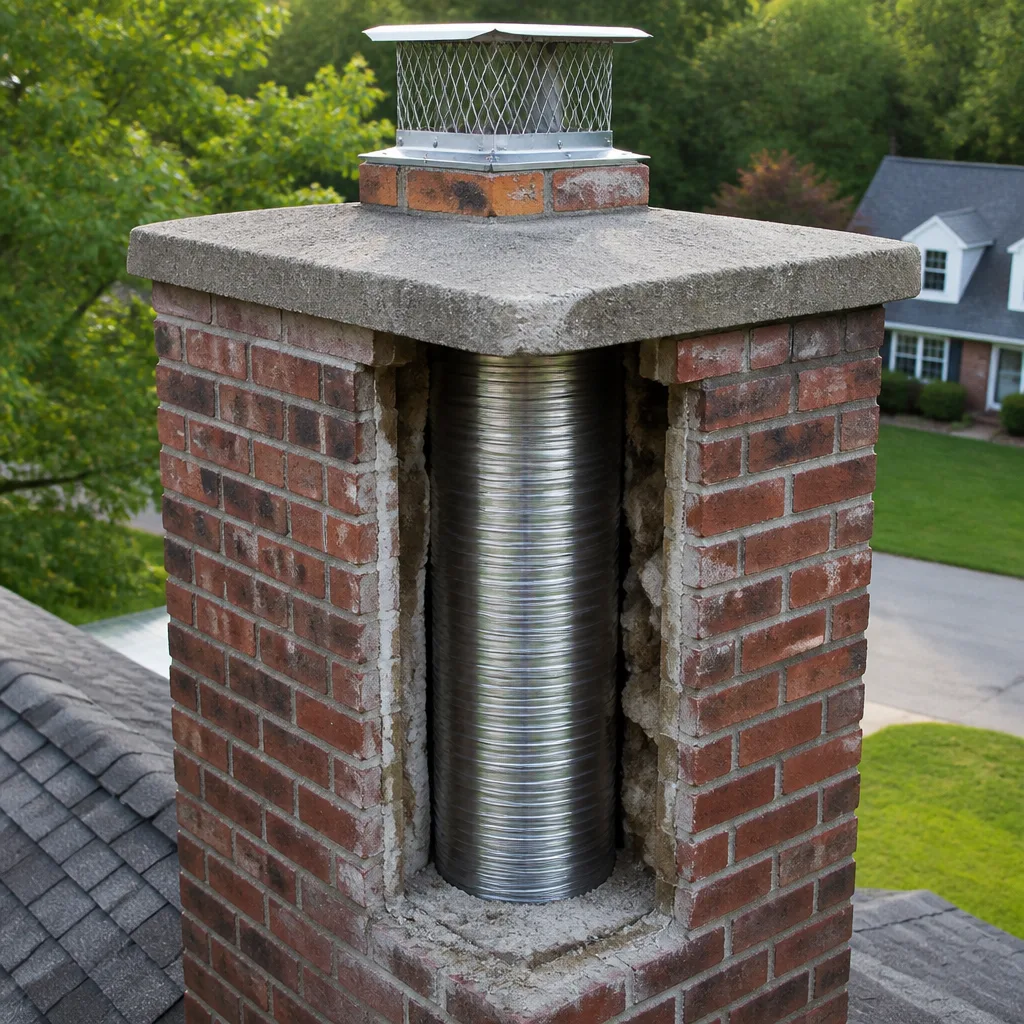
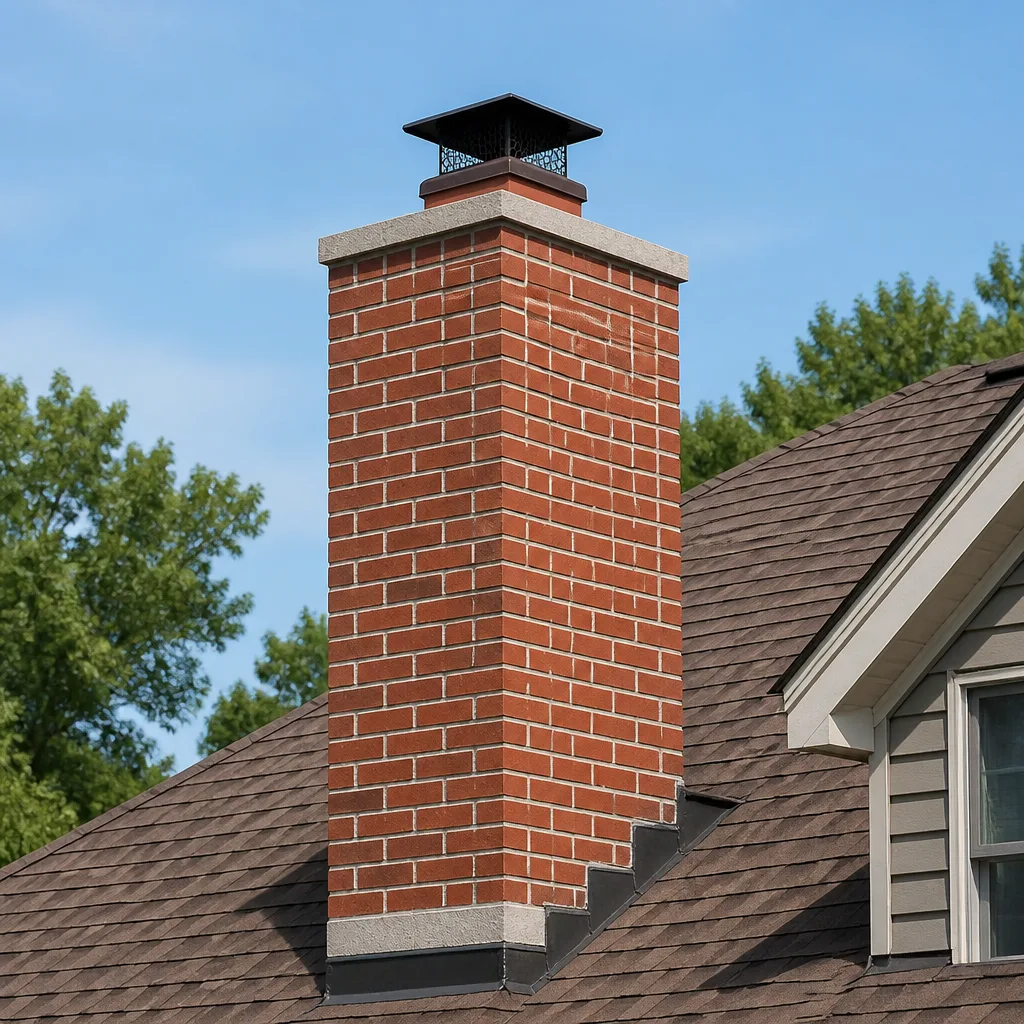
Level 1 sweep and inspection to the NFPA 211 annual standard - flue, crown, cap, and flashing checked and photographed
Chimney sweep logs do not sweep chimneys. They loosen some creosote - which then falls where a brush and vacuum still have to collect it.
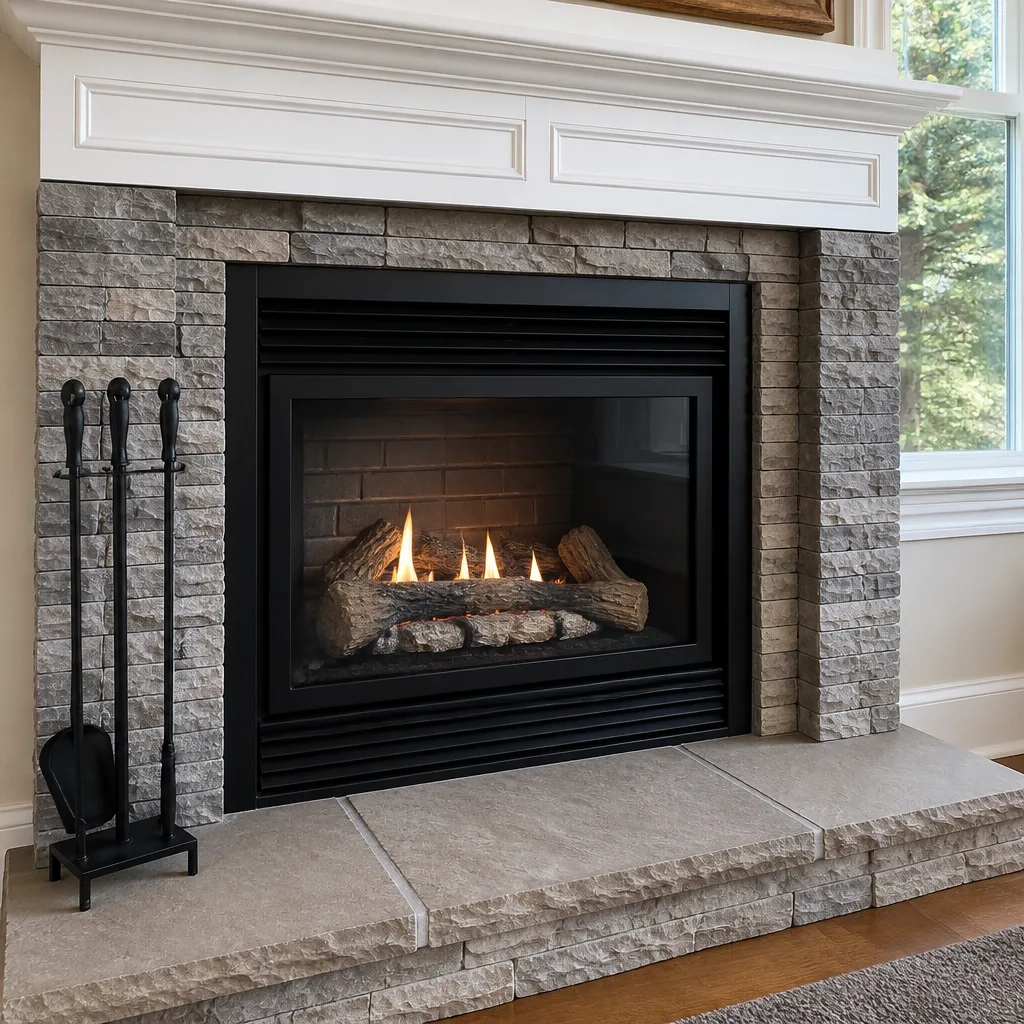
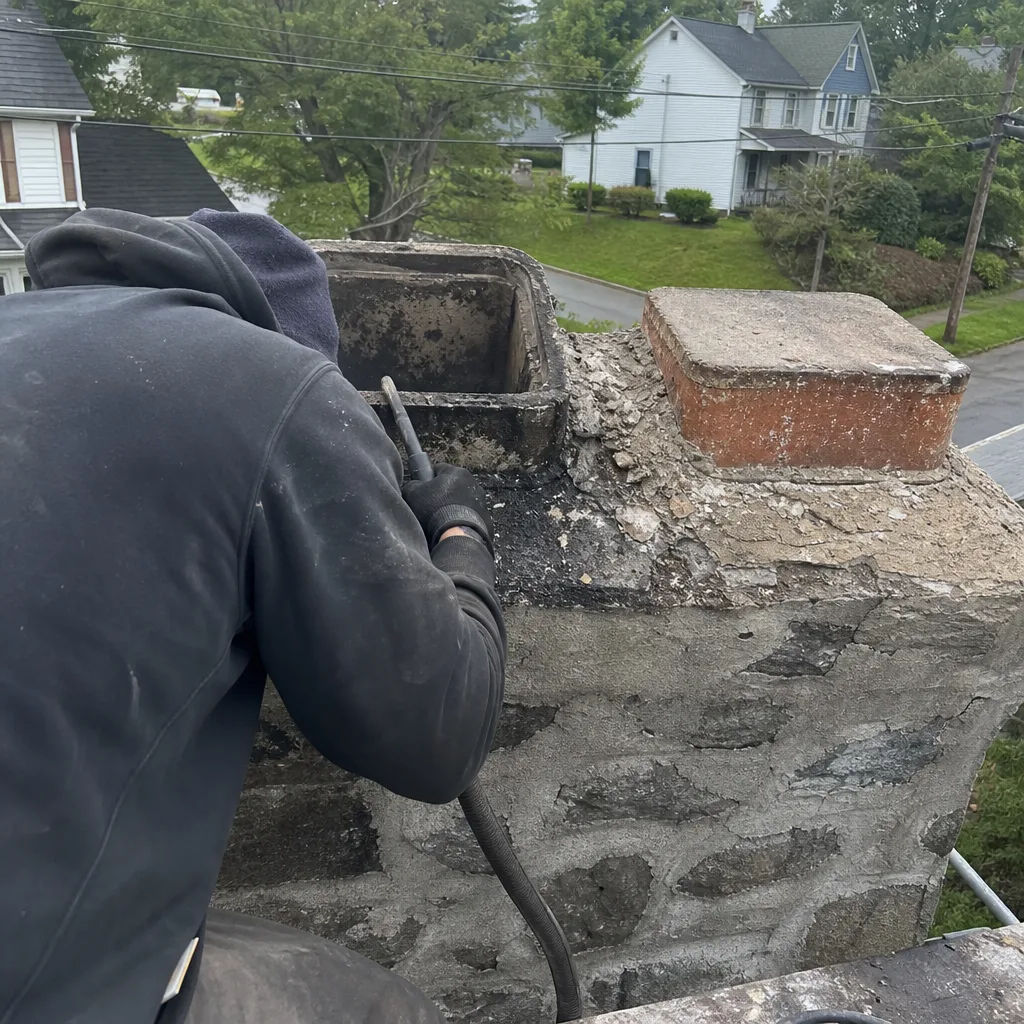 Before
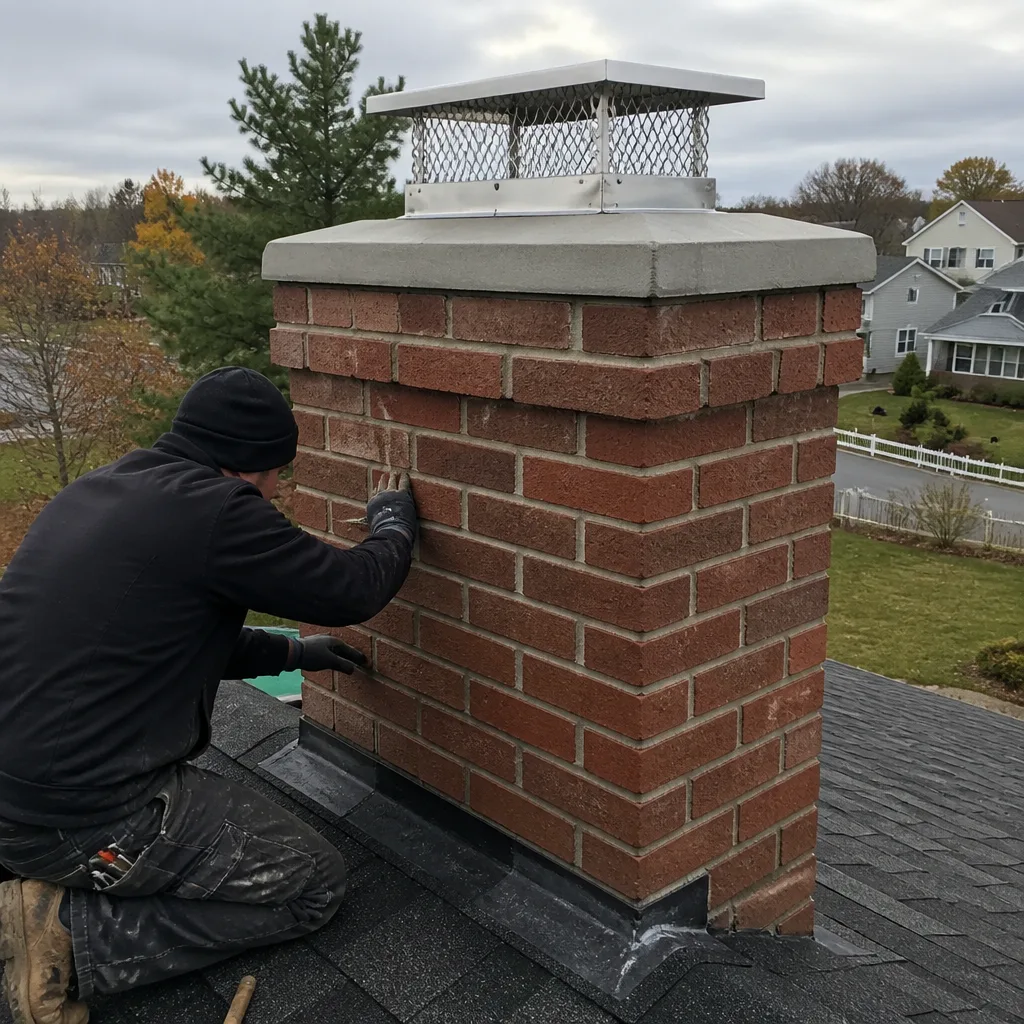 After
After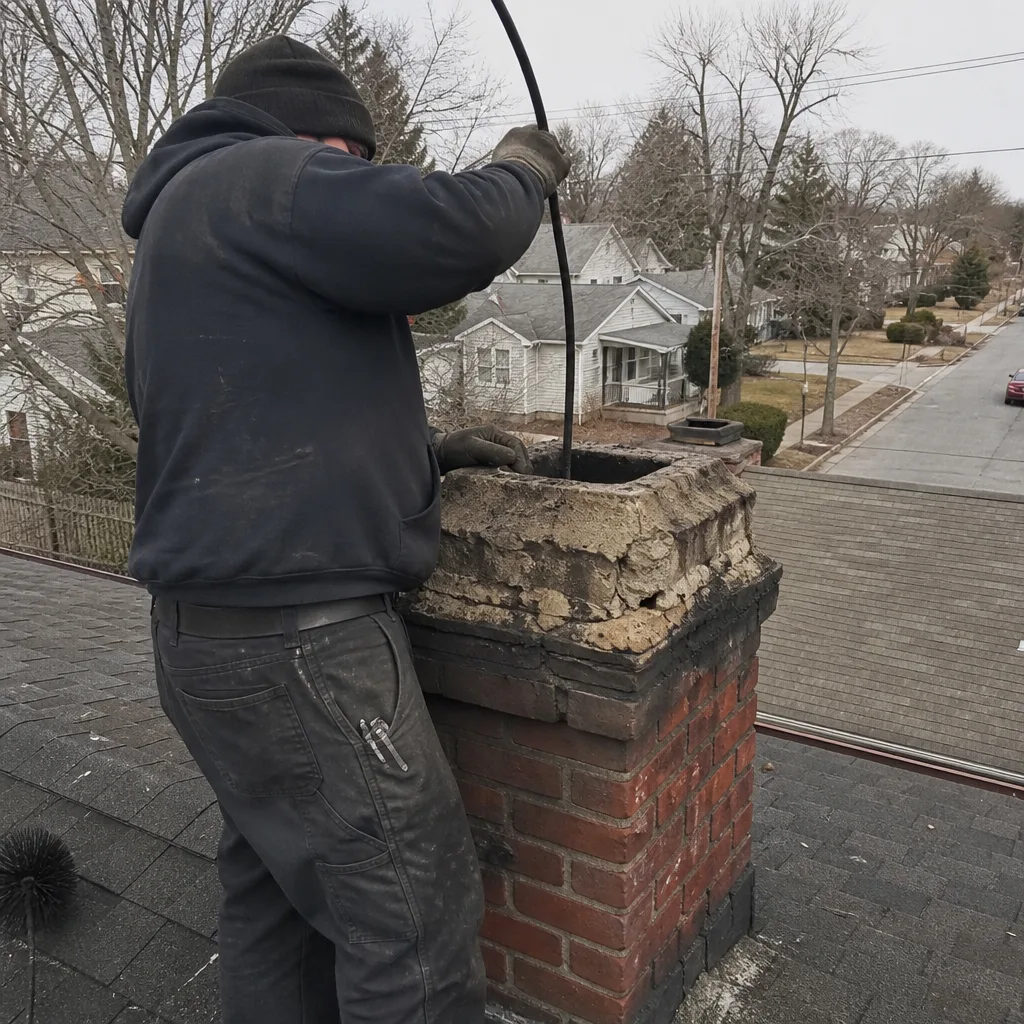 Before
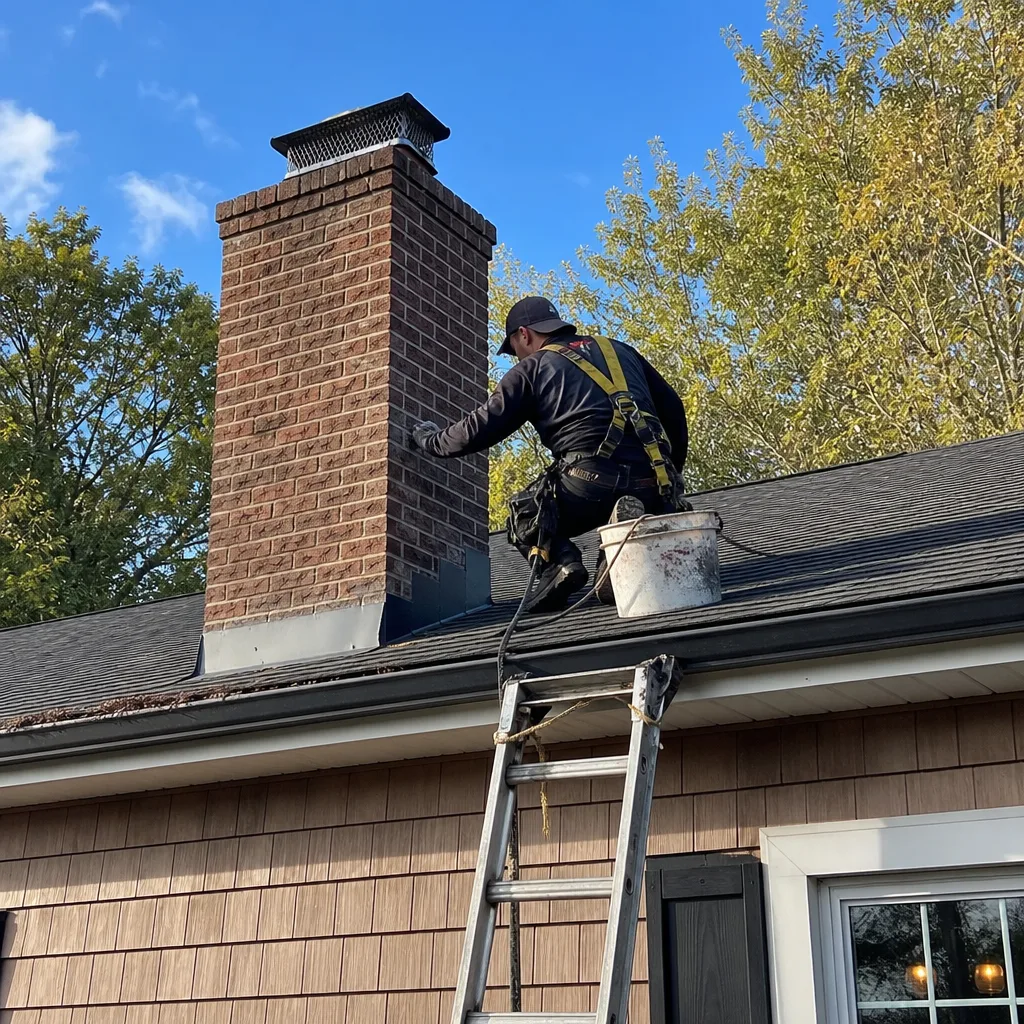 After
After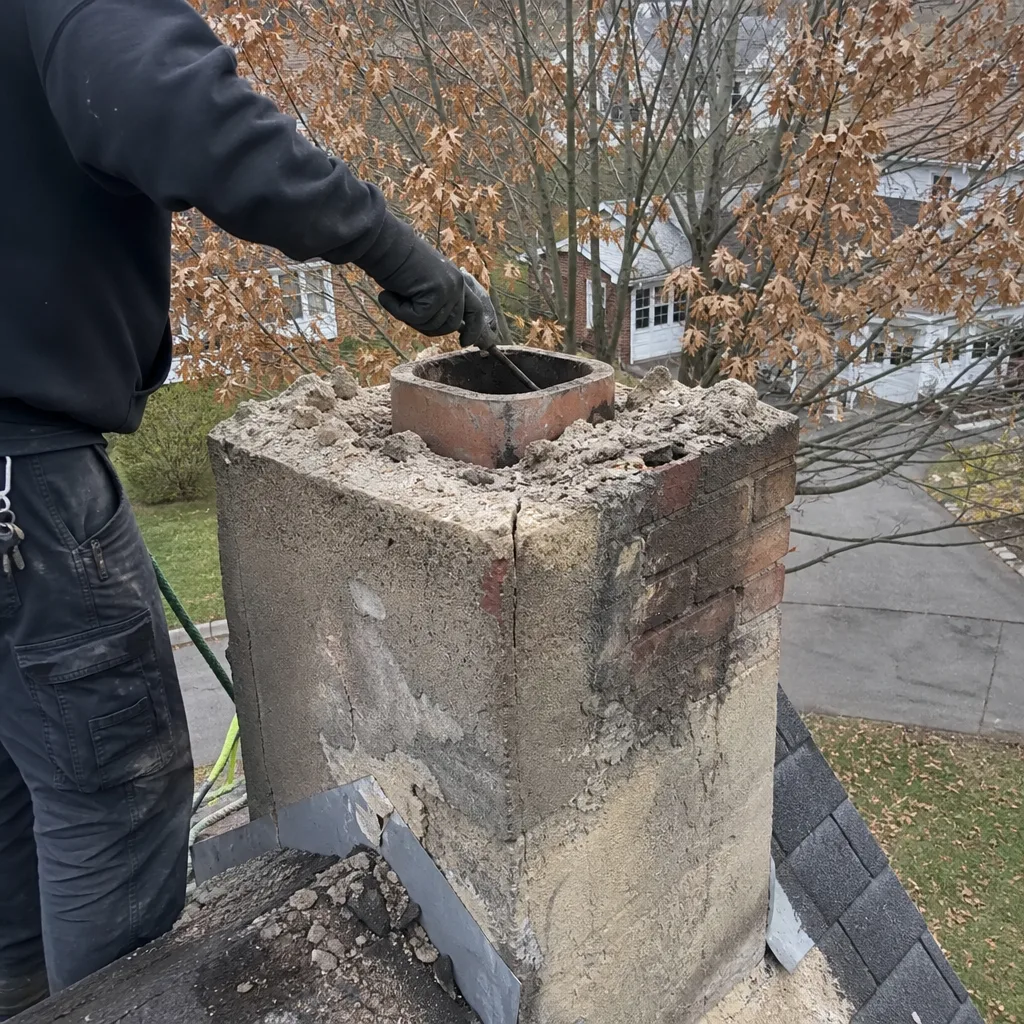 Before
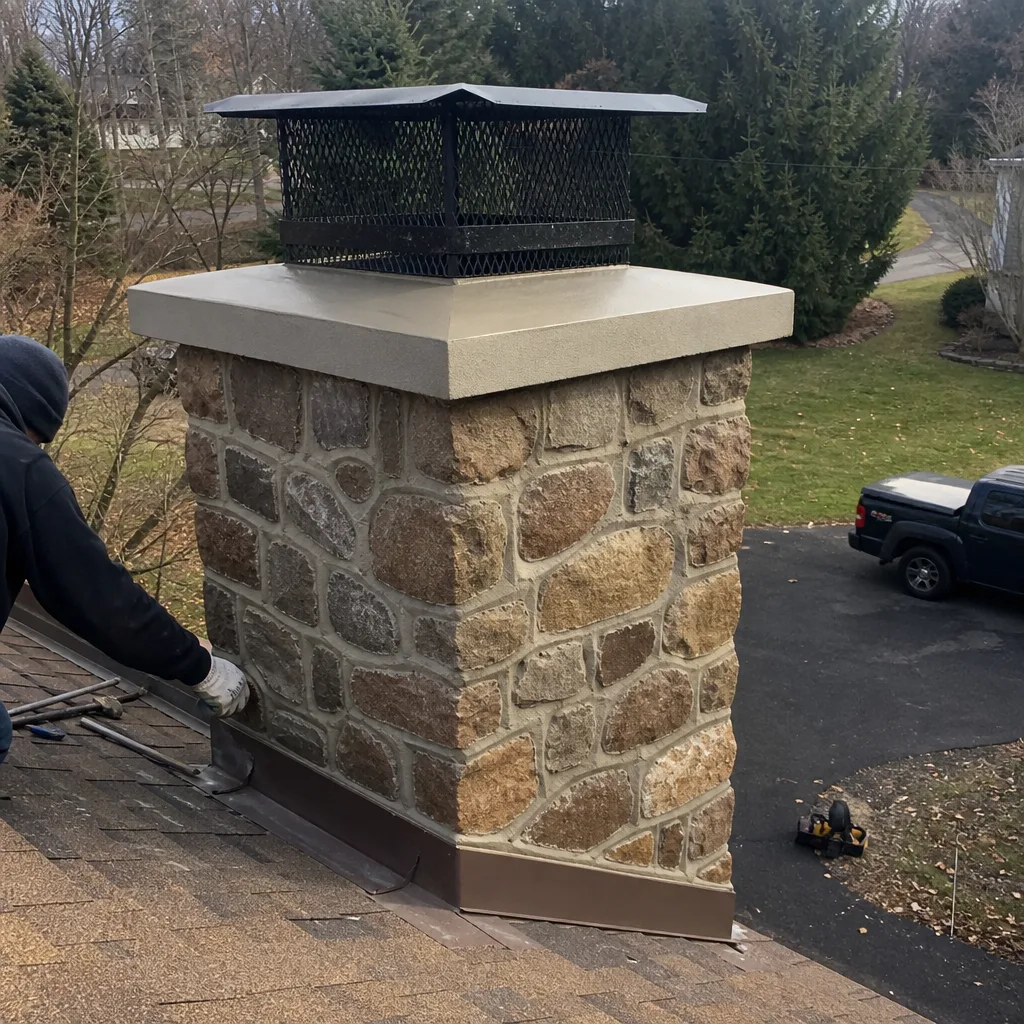 After
AfterSoot Removal in Northampton, PA
Soot removal in Northampton, PA typically runs between $120 and $280 depending on how much buildup is present and how accessible your flue is. For a detailed breakdown, see our How Much Does Chimney Cleaning & Sweep Cost? (2026 Price Guide) - Northampton, PA. Most jobs are finished in a single visit, and in the large majority of cases we can schedule you within a day or two of your call. If you’re smelling smoke inside the house between fires, noticing black streaking above the firebox, or just can’t remember the last time anyone put a brush to your flue, this page is for you.
Soot is the powdery black byproduct of incomplete combustion. It lines your flue walls, collects on your smoke shelf, and settles into the firebox throat after every burn. A light coat is normal. A thick coat is a fire hazard and an air quality problem, and in a county like Northampton where winters run hard and woodstoves work overtime from October straight through March, buildup can happen faster than most homeowners expect.
We’ve been cleaning chimneys in Northampton and the surrounding communities since 1999, and Wendell Pike has personally swept more flues in this area than he could count on both hands ten times over. If you’d rather start with a phone call than a web page, dial (484) 859-1367 – a live person picks up around the clock, and it may well be Wendell himself. Our full Chimney Cleaning & Sweep in Northampton page covers the broader service if that’s what you need; the rest of this page is focused on soot specifically.
When You Need Soot Removal
Most homeowners in Northampton don’t call until something goes visibly wrong. That’s understandable, but soot quietly does its damage long before you can see it from the sofa. Here’s what to watch for:
- A smoky smell inside the house when the fireplace isn’t in use. Soot-caked flue walls restrict draft and hold odor. On humid summer days in Northampton, that trapped smell pushes back down through the damper and into your living room – it’s one of the most common complaints we hear from homeowners on the west side of town.
- Black or gray streaking on the firebox face or the wall above the mantel. If soot is migrating out of the firebox opening, there’s enough of it inside that even normal draft fluctuations are pushing it outward.
- Visible dark buildup on the damper plate or smoke shelf. If you open the damper and the shelf above is caked black, the flue walls behind it almost certainly are too.
- Fires that are hard to start or burn sluggishly. A soot-restricted flue chokes the draw. You’ll go through more kindling, fight more smoke rollout, and end up burning hotter and dirtier just to keep a fire going.
- You haven’t had the chimney cleaned in more than a year. Even if you burn infrequently, soot and debris accumulate. Chimneys also break down in the off-season – a cracked flue tile can trap soot in places a casual look won’t catch.
- You’ve recently switched fuel types or started burning more frequently. A lot of Northampton households added a woodstove or wood insert during the energy cost spikes of the last few years. Higher burn frequency means faster soot accumulation, and flues sized for occasional use can hit concerning buildup levels within a single heating season.
Our Soot Removal Process
There’s no mystery to it, and Wendell will walk you through exactly what he’s doing while he works. Here’s the sequence from truck to door to done:
- Visual inspection before any tools come out. We look at the firebox, the damper, the smoke shelf, and whatever we can see of the flue from below. If there’s a camera inspection on the schedule – and we recommend one at least every few years – it runs before the brushes so we’re documenting the before condition accurately. The camera footage and a plain-English verdict, every time.
- Drop cloths and containment. Every piece of furniture near the fireplace gets covered. We use commercial-grade containment to keep soot out of your living space. Northampton homes tend to have older masonry with more porous firebox joints, which means the risk of soot migration during cleaning is higher than in a newer gas-insert setup – we account for that before the first brush stroke.
- Top-down brushing of the flue. Working from the chimney crown down, Wendell or one of his crew uses appropriately sized chimney brushes – matched to your flue’s interior dimensions – to break loose soot deposits from the flue liner walls. For most Northampton homes with 8×8 or 8×13 clay tile liners, this takes 20 to 40 minutes depending on deposit depth.
- Smoke shelf and firebox cleaning. The shelf above the damper catches a disproportionate amount of soot and debris. It gets hand-cleaned and vacuumed separately. The firebox walls and floor are swept and vacuumed down as well.
- HEPA vacuum extraction. All loosened soot and debris is pulled out with a commercial HEPA vacuum, not just swept into a bag and handed to you. This step matters for air quality – fine soot particles are small enough to stay airborne for hours if they’re disturbed without proper extraction.
- Post-clean inspection and plain-English report. Once the flue is clean, we look again – at the liner, the mortar joints, the damper, and the crown. If we see something that needs attention, we’ll tell you what it is, what it means, and what it costs to address. No upsell pressure, no alarm-bells approach. You get the honest word and upfront pricing before any follow-up work starts.
Soot Removal Pricing in Northampton
Soot removal in Northampton typically falls into the following ranges. These are real numbers, not teaser prices designed to get us in the door.
| Scope of Work | Typical Price Range |
|---|---|
| Standard single-flue soot removal (light to moderate buildup) | $120 – $185 |
| Single-flue removal with heavy buildup or restricted access | $185 – $280 |
| Add-on camera inspection (recommended annually) | $75 – $120 |
| Second flue (same visit) | +$80 – $140 |
| Smoke shelf deep-clean (severe accumulation) | +$45 – $85 |
A few things affect where your job lands in those ranges. Flue height matters – most Northampton single-story and split-level homes have straightforward access, but two-story or steeply pitched rooflines add time and equipment. Buildup depth matters too: first-degree soot is a brush job, third-degree creosote glaze is a different conversation entirely, and if we encounter serious glazing during a soot cleaning we’ll stop and tell you before we proceed. Flue shape and liner material also factor in – an older unlined stone flue requires more care and different tooling than a clay tile or a stainless steel DuraFlex liner.
Seniors and veterans always receive 10% off – no application required, just mention it when you call. And if you’ve got a repair coming out of the inspection, the standing $40 off any repair over $200 applies automatically.
We deliver upfront pricing before a single tool comes off the truck. The number you hear on the phone is the number on the invoice. Call (484) 859-1367 for an exact quote – estimates are free, and there’s no trip charge for jobs inside our home county.
Why Northampton Homeowners Call Top Hat
There are national chains that advertise $49 chimney inspections on postcards, and Wendell will be the first to tell you why that number should make you pause. Low-ball entry prices are how bait-and-switch works: they book the appointment, show up with a stranger in a generic van, then find something scary in your flue that requires a $1,200 fix before they’ll leave. That’s not a hypothetical – it’s the story we hear from homeowners in Richland Township, Bath, and over in Allen Township with disappointing regularity. By the time they call us, they’re not looking for the cheapest quote. They want someone whose name is on the truck and who will still be in business next spring.
Wendell Pike founded Top Hat Chimney in 1999, and he’s been working the same communities – Northampton, Catasauqua, Siegfried, Lehigh County line towns – for over 29 years. He runs into his customers at the hardware store. That’s not a marketing line; it’s just a fact about how small-town business works, and it’s why every job gets the 90-Day Done Right Promise in writing. If the work isn’t right, one call brings us back at no additional cost. No runaround, no voicemail box, no “that department handles warranties.”
The crew that shows up at your door is background-checked and arrives in uniform. They’ll give you a real arrival window and call if it slips. Northampton has a fair number of older masonry chimneys built in the 1950s and 1960s, and working them correctly takes familiarity with how that era’s brick and mortar behaves – not a script read off a tablet by someone who drove in from two counties over.
Soot vs. Creosote: What’s the Difference?
People use the words interchangeably, but they’re not the same thing, and the distinction matters for safety and pricing.
Soot is the fine, dry, powdery carbon deposit that results from normal combustion. It brushes off relatively easily and is the primary target of a standard annual cleaning. Creosote is what soot becomes when it’s exposed to condensed moisture and undergoes chemical change – it progresses from a flaky tar (first degree) to a hard, porous crust (second degree) to a dense, glassy glaze (third degree). First-degree creosote is handled as part of a normal cleaning. Third-degree glaze is a different problem that requires chemical treatment and, in many cases, liner replacement.
When we’re doing soot removal in Northampton and we find early-stage creosote beginning to form, we’ll say so clearly and tell you what stage it’s at. Catching it at stage one is a sweep job. Catching it at stage three is a much bigger and more expensive conversation. Once a year, burn or no burn – that’s the honest recommendation for Annual Sweep maintenance, and it’s the one that keeps small problems from turning into large ones.
If you’re curious about the broader scope of what a full chimney cleaning covers beyond soot specifically, the home page gives you an overview of everything Top Hat Chimney handles.
FAQs – Soot Removal in Northampton
How often should soot be removed from my chimney in Northampton?
Once a year is the right answer for most Northampton households looking for Chimney Cleaning & Sweep Near Me in Northampton, PA, regardless of how much you burn. The Chimney Safety Institute of America recommends annual inspections, and annual cleaning makes sense to combine with that. If you’re burning more than three or four cords of wood per season – which a good number of homes in the western parts of Northampton Borough and out toward Richland do – twice a year is reasonable. Soot doesn’t wait for you to notice it, and a chimney that sat unused all summer can still develop blockages from debris, nesting, or moisture damage. Call (484) 859-1367 and Wendell will give you an honest read on your specific setup.
Is soot removal something I can do myself?
You can clean the firebox floor and the visible surfaces with a stiff brush and a shop vacuum – that’s reasonable maintenance. But getting the flue walls, the smoke shelf, and the area above the damper cleaned properly requires chimney brushes sized and matched to your flue dimensions, a commercial HEPA extraction system to capture fine particulate, and enough experience to recognize what you’re seeing when something doesn’t look right. DIY attempts without proper containment also tend to distribute fine soot through the living space, which creates a real air quality issue. For the firebox itself, basic tidying is fine. For the flue, let Wendell take a look – there’s no trip charge inside the county and the estimate is free.
What does soot smell like, and why does it smell worse in summer?
Soot has a sharp, acrid, smoky smell – distinct from the pleasant woodsmoke smell of an active fire. In summer, Northampton’s humidity combines with soot deposits to create a heavier, mustier version of that smell that pushes back down through the damper into the living room. It’s a known seasonal phenomenon, and it’s one of the most common reasons we get calls in July and August from homeowners who haven’t had a fire since March. Cleaning the flue before summer typically prevents it. If it’s already happening, a cleaning clears it up. Call (484) 859-1367 – we can usually get out within a day or two.
Can soot damage my chimney liner?
Yes, over time. Heavy soot deposits are acidic, and prolonged contact with clay tile liners – the most common type in Northampton’s older housing stock – accelerates the deterioration of the mortar joints between tiles. Soot buildup also creates an insulating layer that raises flue gas temperatures unevenly, contributing to thermal stress cracking. A clean liner lasts significantly longer than one that’s allowed to accumulate heavy deposits season after season. If we find liner damage during a soot removal job, we’ll show you the camera footage and give you a straight answer on what it means. We install and work with HeatShield liner repair systems for cases where a full liner replacement isn’t yet necessary – it’s worth knowing that option exists before committing to a larger job.
Key Takeaways
- Soot removal in Northampton typically costs $120 to $280 for a single-flue job, with upfront pricing delivered before work begins.
- Annual cleaning is the right call for most households – soot accumulates whether you burn a lot or a little, and off-season damage is real.
- Soot and creosote are not the same thing; catching the distinction early keeps a routine cleaning from becoming a liner replacement.
- Top Hat Chimney has been working Northampton-area chimneys since 1999 – over 29 years – and every job is backed by the 90-Day Done Right Promise in writing.
- Seniors and veterans receive 10% off every time; $40 off any repair over $200 applies automatically; no trip charge inside the home county.
- A live person answers the phone at (484) 859-1367 around the clock – no voicemail box, no call center.
Schedule Soot Removal in Northampton Today
If your chimney is due for Chimney Cleaning & Sweep services, carrying a smoke smell, or just hasn’t been touched in a while, give us a call at (484) 859-1367. Estimates are free, pricing is upfront, and we can usually get on the schedule within a day or two. Wendell and his crew serve Northampton Borough and the surrounding communities – Bath, Catasauqua, Allen Township, Richland Township, and beyond. The 90-Day Done Right Promise is on every job, in writing. That’s not a tagline; it’s what we hand you when the work is done.
Written by Wendell Pike, Owner at Top Hat Chimney, serving Northampton since 1999.