
Last updated September 10, 2026
Level 1 sweep and inspection to the NFPA 211 annual standard - flue, crown, cap, and flashing checked and photographed
Chimney sweep logs do not sweep chimneys. They loosen some creosote - which then falls where a brush and vacuum still have to collect it.
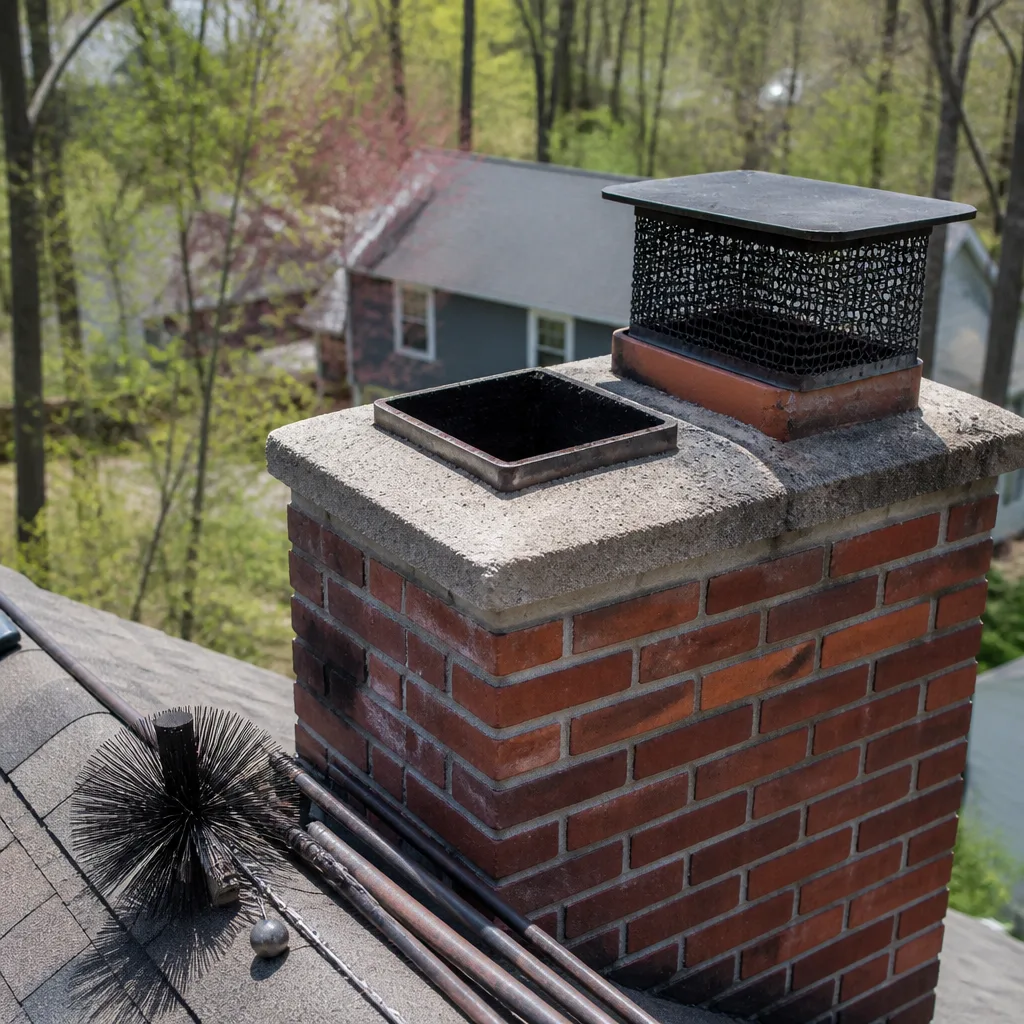
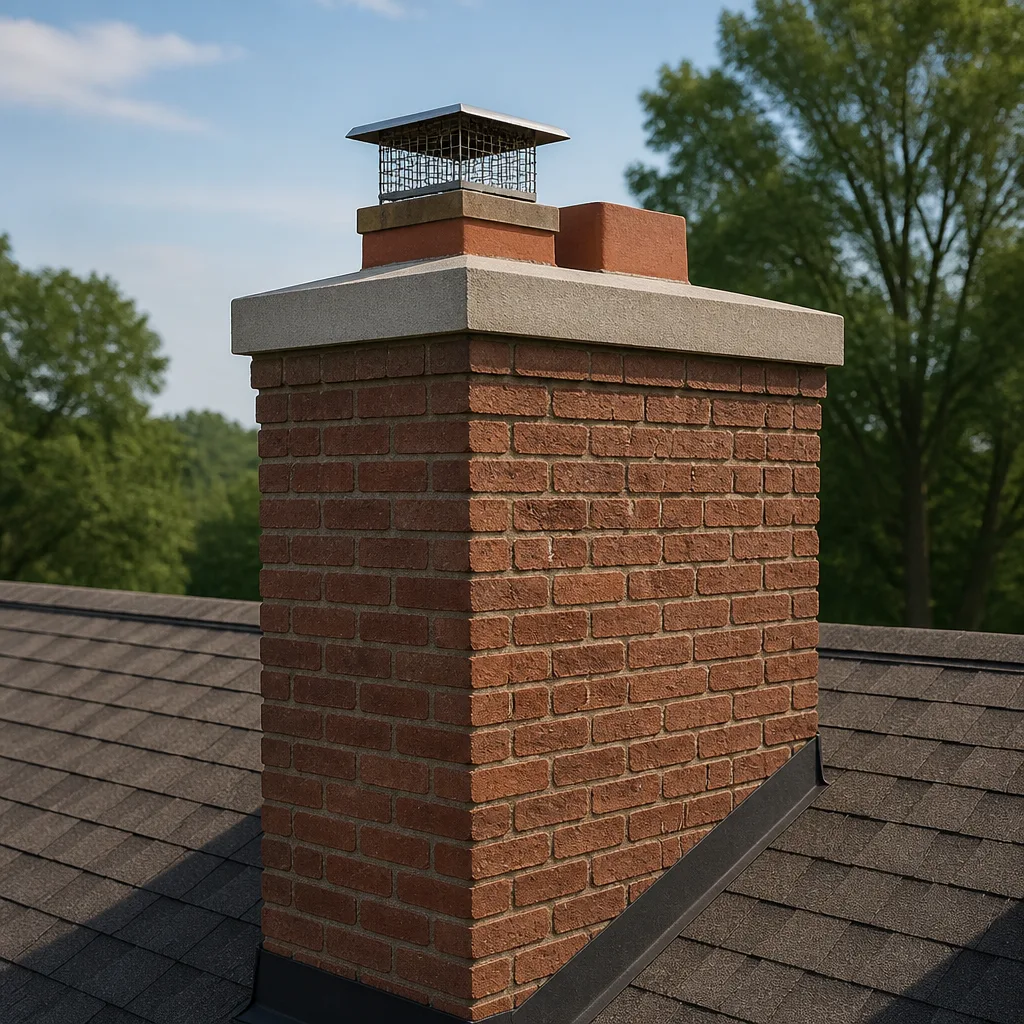
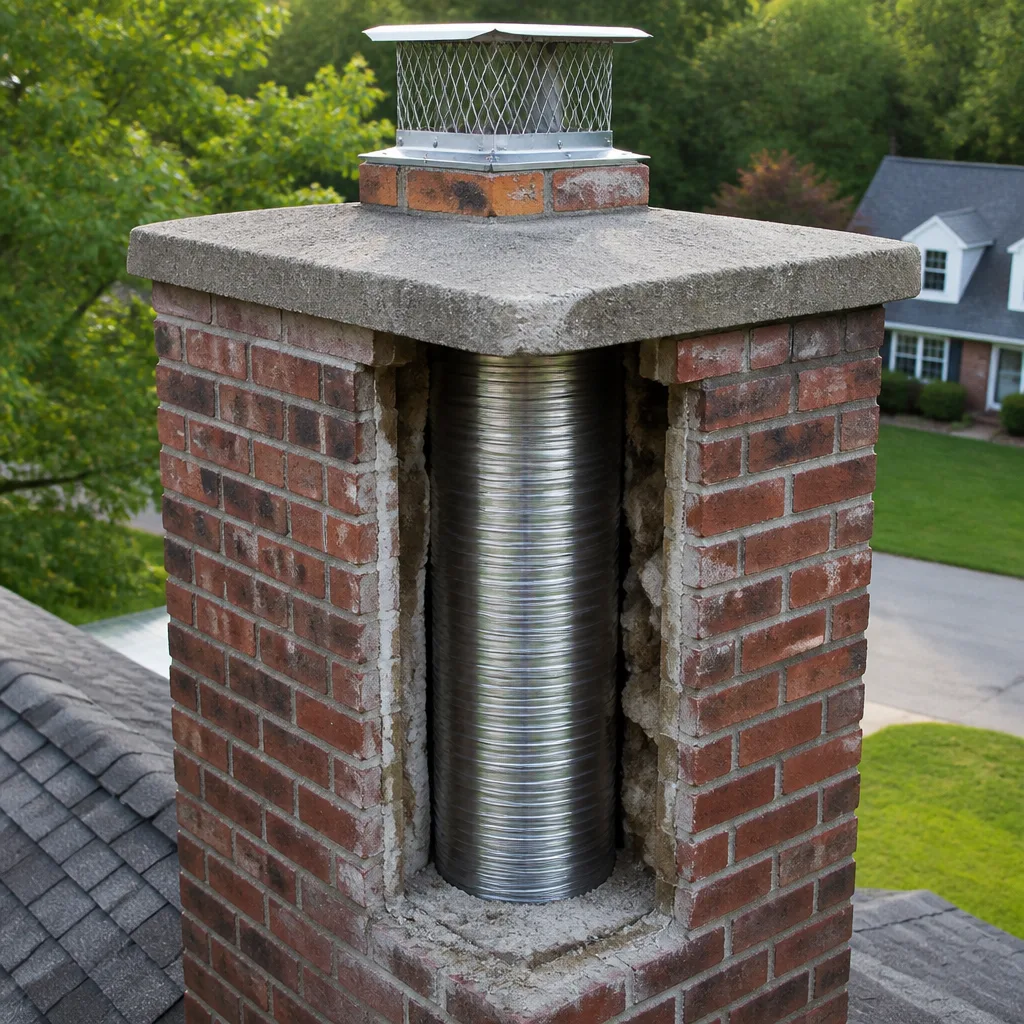
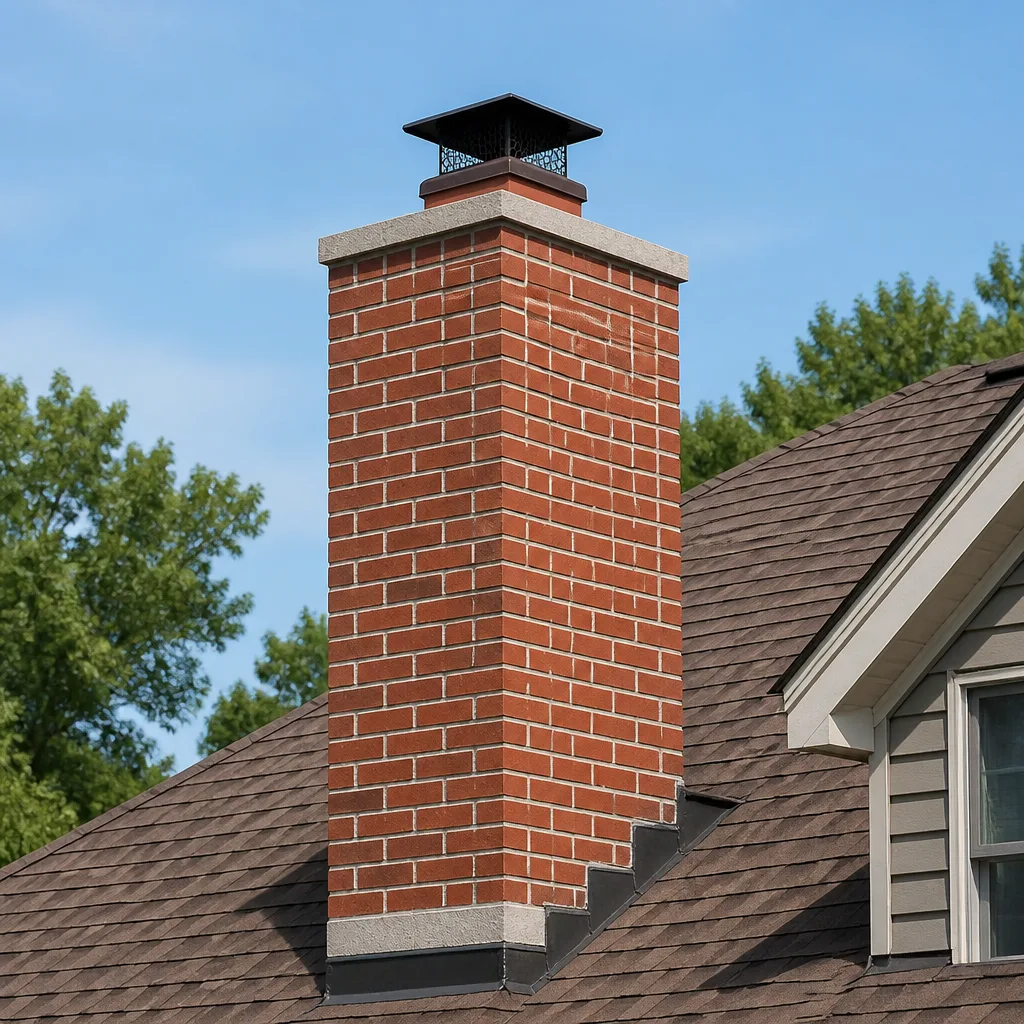
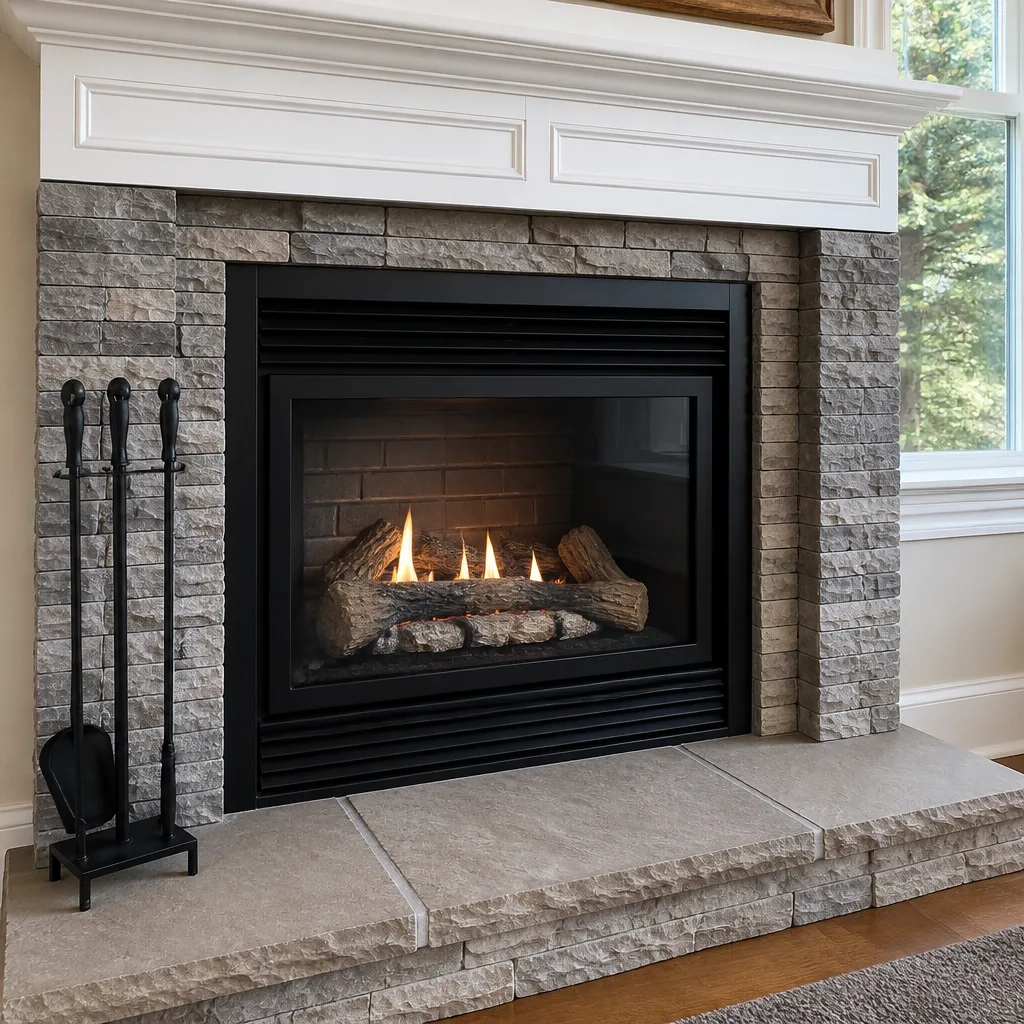
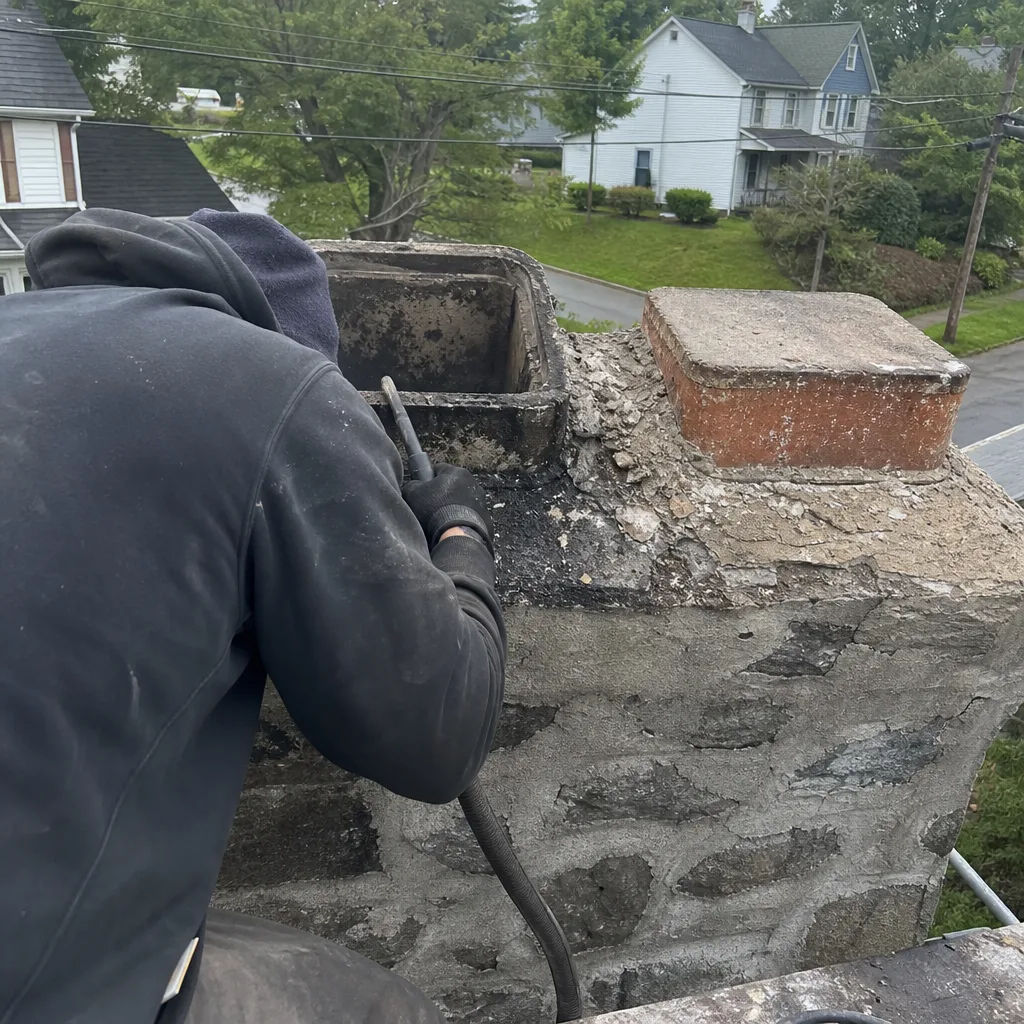 Before
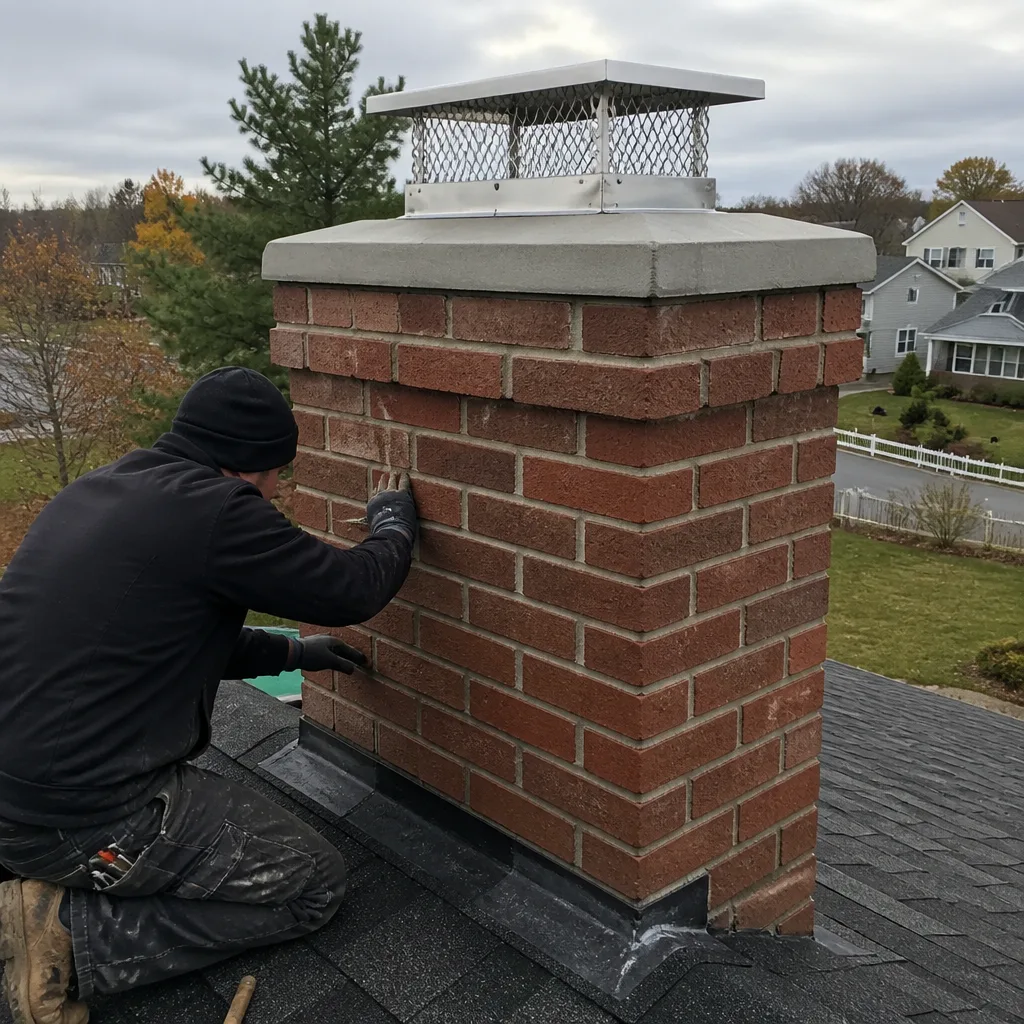 After
After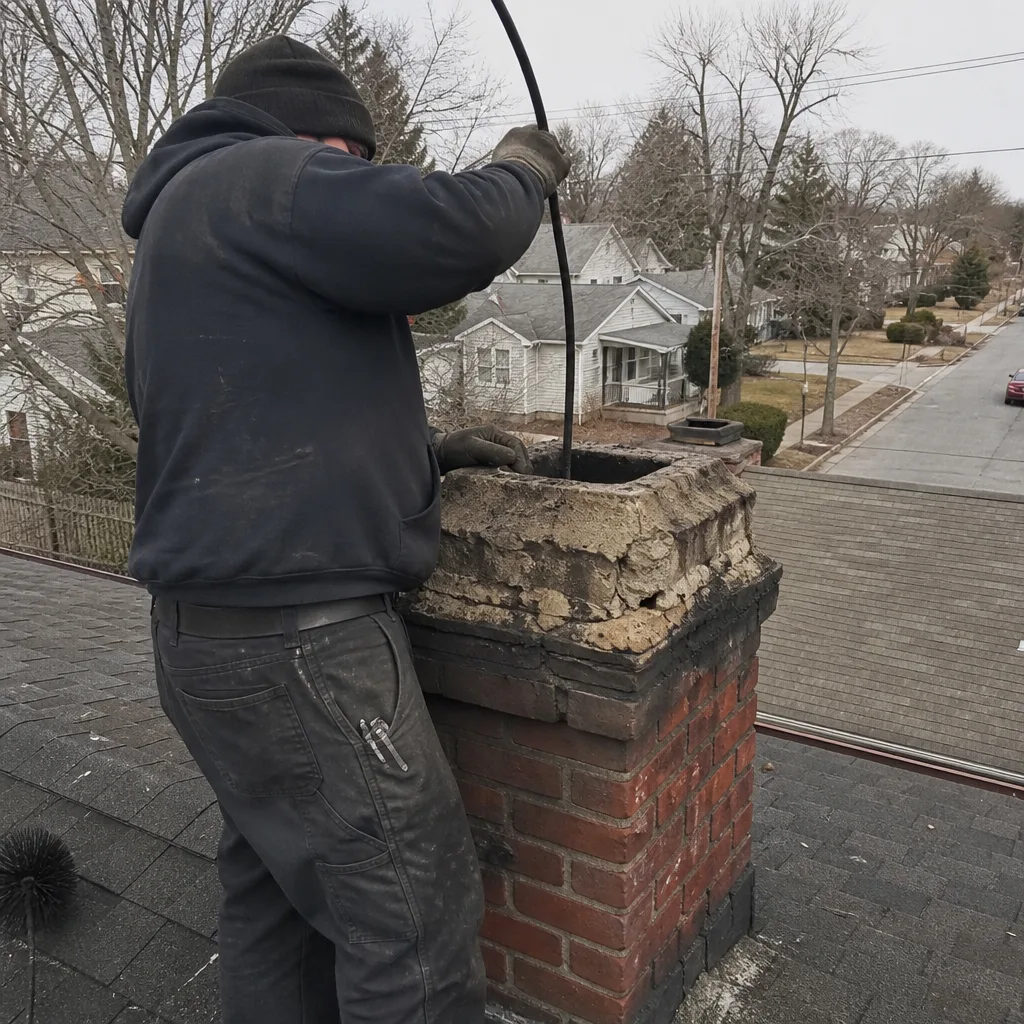 Before
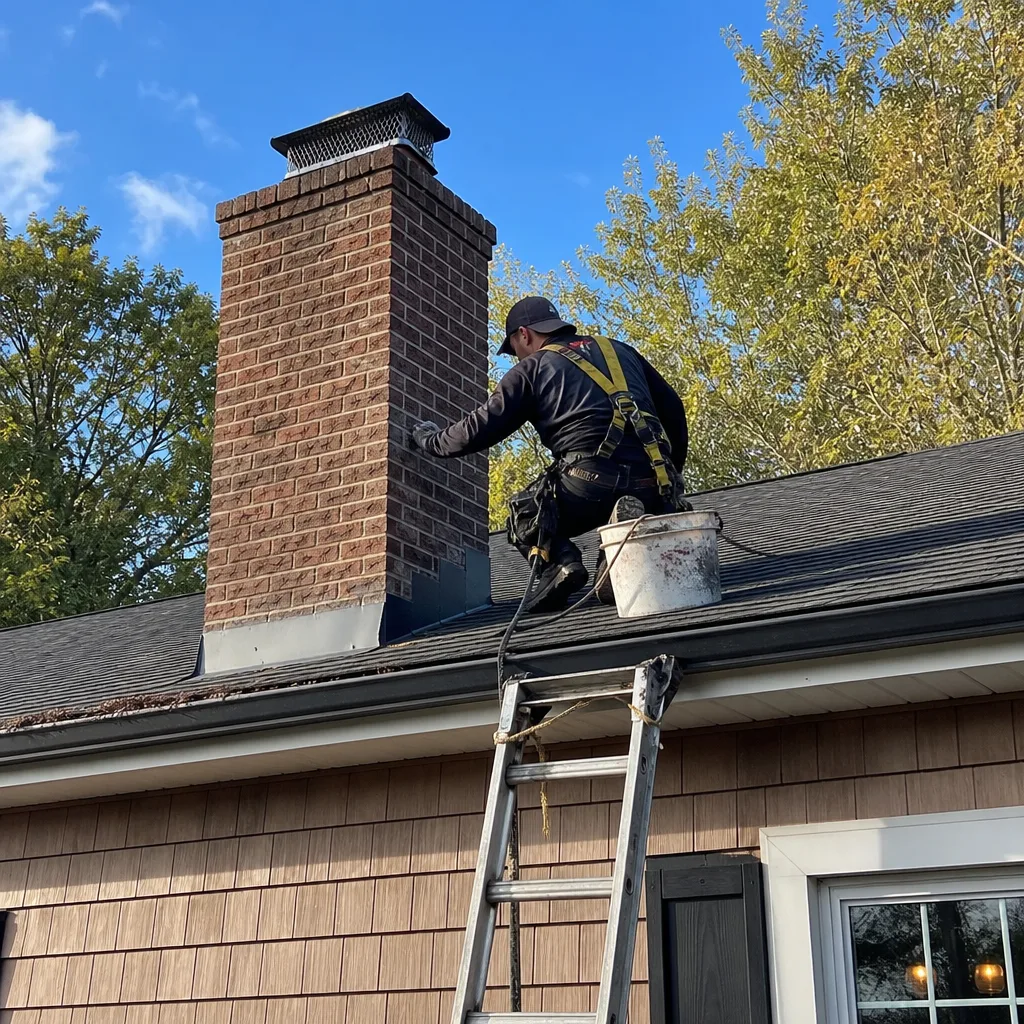 After
After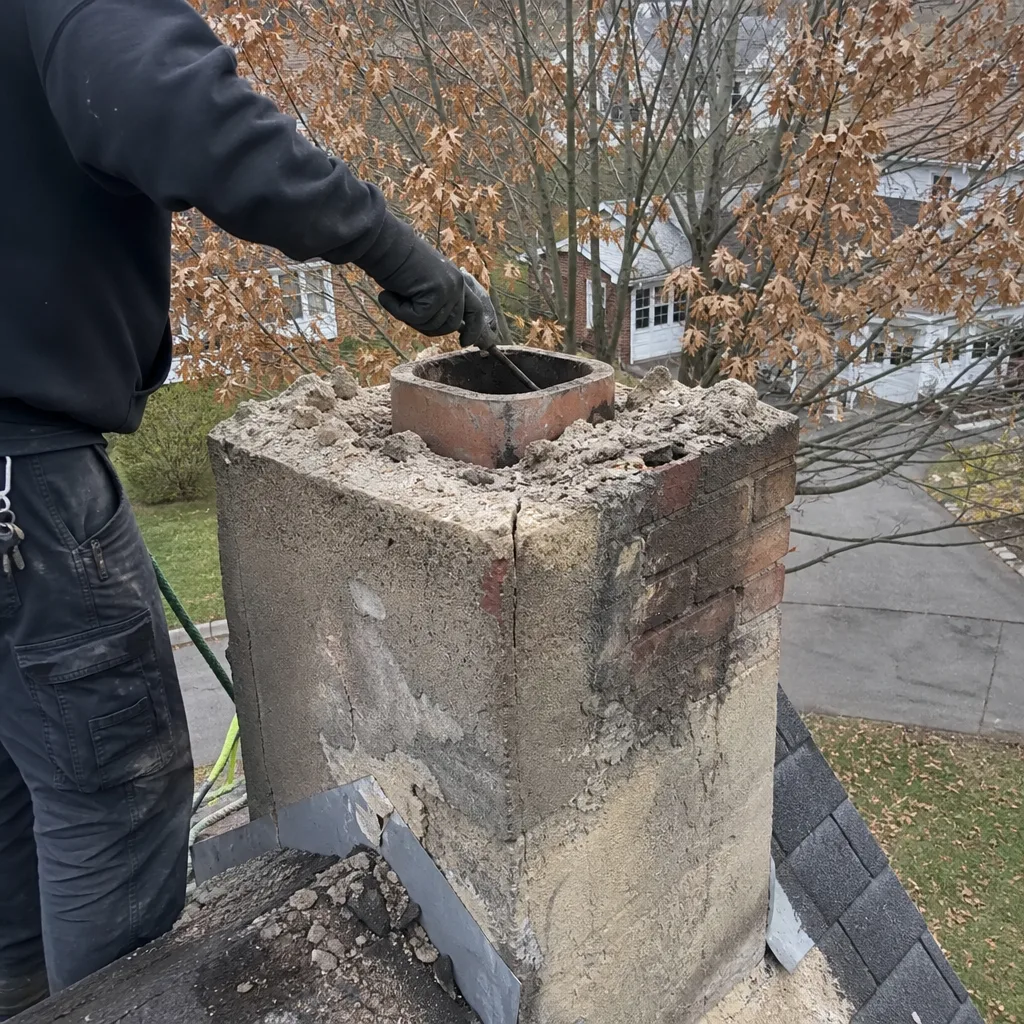 Before
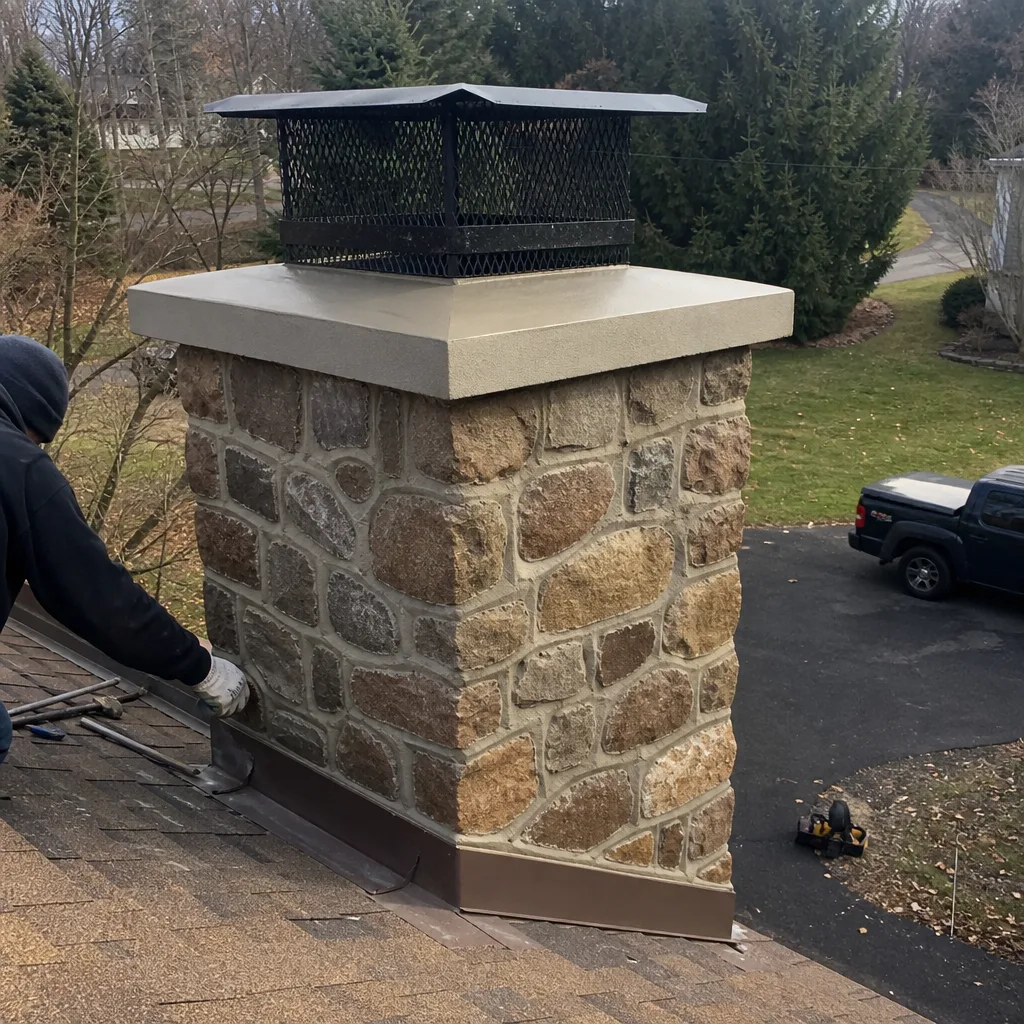 After
AfterChimney Cleaning Permits, Codes & Inspections in PA: What You Need to Know
Most homeowners in Northampton schedule a chimney cleaning the same way they schedule a gutter cleaning: call someone, get a price, watch the work happen, write the check. Here’s the part almost nobody realizes until it’s too late. The cleaning itself requires no permit anywhere in Pennsylvania. But what the sweep finds inside that flue can trigger a project where permits, inspections, and filed paperwork suddenly matter more than the repair itself. If liner damage shows up on camera, and you have to choose between a permitted reline and an unpermitted one, the wrong choice can follow you to the closing table and into a conversation with your insurance adjuster. We’re going to walk through exactly what requires a permit in PA, how Northampton Township fits into the picture, the standard we sweep by, and what to demand in writing after the work is done. For a deeper dive, see our Complete Guide to Chimney Cleaning in Northampton.
Quick Answer
A routine chimney cleaning and visual inspection does not require a permit anywhere in Pennsylvania, including Northampton Township. But a chimney liner replacement, most structural masonry repairs, and any work that changes the flue’s dimensions or material almost always requires a residential building permit and a follow-up inspection. The contractor’s final invoice is not the document you need at resale: the municipality’s inspection sign-off is.
Table of Contents
- What Requires a Permit in PA and What Doesn’t
- How the Pennsylvania Uniform Construction Code Governs Chimneys
- Northampton Township Rules Homeowners Actually Ask About
- NFPA 211: The Standard Behind the Sweep
- What Your Insurance Company Does When Unpermitted Work Turns Up
- The Resale Paper Trail: What to Keep After the Job
- Common Mistakes to Avoid
- When to Call a Professional
- Frequently Asked Questions
- The Bottom Line
What Requires a Permit in PA and What Doesn’t
The line in Pennsylvania is drawn by the Pennsylvania Uniform Construction Code, which most people just call the UCC. The UCC treats chimneys as part of the building envelope. That means the question isn’t how dirty the flue is. It’s whether the work changes, repairs, or replaces a structural or venting component. Here’s the plain breakdown.
Work that does not require a permit:
- A routine chimney sweeping and flue brushing. This is maintenance, not construction.
- A visual or camera inspection, even one that produces a written report.
- Replacing a chimney cap that fastens to the existing flue tile or crown without altering the flue opening.
- Minor crown sealing with a brush-applied sealant, as long as no masonry is removed or rebuilt.
- Regrinding or repointing a few loose mortar joints on the exterior stack, when the structural integrity isn’t changed.
We have swept thousands of chimneys in Northampton and the surrounding townships, and the majority of them need nothing more than the brush, the vacuum, and a straight talk about what the camera showed. No permit. No filing. No inspection sticker.
Work that almost always requires a permit:
- Installing or replacing a chimney liner, whether stainless or cast-in-place. This is the big one homeowners get surprised by.
- Rebuilding a crown from scratch, especially if forms are used and concrete is poured.
- Rebuilding more than a small section of the chimney stack: think ten or more courses of brick.
- Installing a new fireplace, wood stove, or insert when no existing flue is being reused.
- Changing flue size, relocating a chimney, or altering the firebox dimensions.
The practical test we tell people in Northampton is this: if the work affects how smoke exits the house or how the structure holds itself up, assume it needs a permit until the township says otherwise. A good contractor files. A great contractor files and then hands you the inspection sticker.
How the Pennsylvania Uniform Construction Code Governs Chimneys
Pennsylvania adopted the UCC in 2004, and it pulled chimney work under a predictable set of rules that reference the International Residential Code, or IRC. The IRC has an entire chapter on chimneys and fireplaces, Chapter 10, and it governs everything from flue sizing to clearances to the materials allowed inside the chase. When a contractor pulls a permit, the work is reviewed against those code sections, not against opinion.
What does that mean for a homeowner in practical terms? It means a permitted liner installation can’t be a “close enough” job. The flue must be sized to the appliance it serves. The liner material must be listed for the fuel being burned. The connection between the liner and the appliance must meet clearance-to-combustibles requirements. If it doesn’t, the inspector’s job is to fail it and make the contractor fix it before the work is closed out.
We’ve been inside chimneys since 1999, and we have watched the UCC change the trade for the better. A homeowner who files a permit isn’t just buying a piece of paper. They’re buying a third-party set of eyes, one that works for the township and not for the contractor, standing in front of the finished work and saying the job meets code. That’s protection you don’t get from a handshake.
For anyone in need of a chimney cleaning or sweep in Northampton, the permit conversation usually starts on the day of the sweep, because that’s when the camera goes down the flue and we see what’s really in there.
Northampton Township Rules Homeowners Actually Ask About
Northampton Township, like most Bucks County municipalities, enforces the UCC through its own building code department. Homeowners don’t file with Harrisburg. They file at the township building. The form is usually called a residential building permit application, and the fee for a liner or masonry repair tends to run in the low hundreds depending on the project valuation.
What we hear most often from homeowners around Northampton is confusion about who pulls the permit. Pennsylvania allows the homeowner to pull a permit on their own property in many cases, but there’s a catch that matters with chimney work. When a homeowner pulls the permit, the homeowner becomes the contractor of record. That means if the liner fails and the township comes asking, the homeowner is the one standing in front of the inspector explaining what happened. When a licensed contractor pulls the permit, the responsibility sits where it belongs: with the company whose name is on the work.
Practically speaking, in Northampton we recommend the contractor file. It keeps the chain of responsibility clean, and it means the permit number, the inspection date, and the final sign-off all trace back to the company that did the work. A homeowner who later sells the house can hand the buyer a clean file instead of a story.
Another Northampton-specific point: older homes. The township has a large stock of houses built between the 1950s and 1980s, many of which have original clay tile liners that have been doing the job for half a century. When those liners crack, the repair conversation almost always involves a permit, because you aren’t patching clay. You’re relining with stainless or a HeatShield system, and that work changes the flue, which puts it squarely in permit territory.
Chimney repair in Northampton often starts with a camera inspection, and when we find a cracked tile, we’ll tell you straight whether the job can wait or whether it needs to be scheduled before burning season. Either way, you’ll know what the permit picture looks like before any work begins.
NFPA 211: The Standard Behind the Sweep
Ask any reputable sweep why they inspect and clean the way they do, and one reference comes up every time: NFPA 211. It’s the National Fire Protection Association standard for chimneys, fireplaces, vents, and solid fuel-burning appliances. Nobody gets a permit for a cleaning because of NFPA 211. But the standard governs the work even when no inspector will ever look at it.
NFPA 211 gives us the language that matters to your safety. It says chimneys should be inspected at least once a year. It says they should be cleaned when the creosote buildup is thick enough to be a hazard. It defines the three stages of creosote, from first-degree soot that brushes off to third-degree glaze that needs chemical treatment or mechanical removal. First-degree creosote is a brush job. Third-degree is a glaze: catch it early. Learn to spot trouble before it escalates in our Chimney Cleaning Warning Signs: A Northampton Homeowner’s Reference Guide.
For homeowners in Northampton, the practical takeaway is this. The township will never require you to have a cleaning done. But your insurance company will ask whether the fire was in a maintained chimney if something goes wrong, and NFPA 211 is the standard they’ll measure your answer against. A homeowner who can show annual inspection records has a much easier conversation with an adjuster than a homeowner who says they never got around to it.
We have always worked by the standard. Your flue doesn’t care how the fire looks. It cares how it breathes. Once a year, burn or no burn. Chimneys break in the off-season too.
What Your Insurance Company Does When Unpermitted Work Turns Up
Insurance adjusters are not building inspectors, but they have a sharp eye for one thing: whether a loss traces back to work that was done outside the permit system. If a chimney fire starts in a flue that was relined three years ago by someone who never filed a permit, the adjuster’s first question is whether the liner was installed to code. If there’s no inspection on record, the answer becomes a matter of debate, and the homeowner is the one holding the short end.
Most homeowner policies cover sudden and accidental damage caused by a chimney fire, even when negligence contributed. But policies also contain provisions about hidden defects, misrepresentation, and workmanship. If unpermitted work fails and causes a loss, the insurer has grounds to investigate whether they’ve been asked to insure something different from what they priced. In plain terms: you may get paid. You may get a partial payment. You may get a denial letter that cites the unpermitted modification.
We have seen the difference in Northampton. A homeowner with a permitted, inspected liner install has a paper trail that ends the argument. A homeowner with a handshake deal has a phone number that doesn’t ring anymore. When we quote a liner job, the permit line item is on the proposal. If a contractor tells you to skip the permit to save a couple hundred dollars, they aren’t saving you money. They’re moving risk onto your side of the table.
The Resale Paper Trail: What to Keep After the Job
Pennsylvania is a full-disclosure state for home sales. Sellers are asked about known defects, repairs, and alterations. A chimney liner replacement is a material fact, and if work was done without a permit, the seller must either disclose it or hope the buyer’s home inspector doesn’t look up the township’s permit history. Buyers today are doing exactly that. Permit searches have become standard practice, and a missing permit for a liner install is a negotiation lever or a deal killer.
Here’s the documentation to keep in a folder after any permitted chimney work:
- The permit itself. The township issues it. It has the permit number, the project description, and the contractor’s name. Keep the approved copy.
- The inspection sign-off. After the work is done, the township inspector visits and either passes the work or lists corrections. The sign-off, sometimes called a final approval or a green tag, is the document that matters. This is the one to laminate.
- The contractor’s invoice and scope of work. Make sure it references the permit number so the two papers tie together.
- Manufacturer documentation for the liner or system installed. Whether it’s a stainless liner, HeatShield, or a Gelco product, keep the warranty registration and the install date.
- Before-and-after camera images. A good sweep gives them to you. They’re the visual record that makes the file complete.
At resale, this folder converts directly into seller credibility. You aren’t telling the buyer the chimney is fine. You’re handing them the file that proves it.
Common Mistakes to Avoid
- Assuming a cleaning includes a permit when it doesn’t. You don’t overpay for phantom paperwork, and you don’t get confused into thinking a sweep is more complicated than it is. A cleaning is maintenance, plain and simple.
- Assuming a liner replacement doesn’t need a permit when it does. This is the most expensive mistake on the list. A good contractor files; a corner-cutter skips it and hopes nobody checks.
- Pulling the permit yourself to save a fee. It’s legal in many cases, but it makes you the contractor of record. The responsibility should stay with the licensed company doing the work.
- Accepting the invoice as proof of code compliance. The invoice proves you paid. The inspection sign-off proves the township saw it and approved it. These are not the same document.
- Waiting until October to schedule a sweep and then rushing the repair conversation. If the sweep finds damage in October, you’re deciding on a liner replacement while the first cold snap is a week away. Schedule the sweep in warm weather, and the repair decision stays calm.
- Hiring the lowest bidder who says a permit “isn’t really necessary for this.” That sentence is a red flag with a ladder and a truck. Northampton Township enforces the UCC, and your insurance company will too.
- Not keeping the inspection records. The file matters at resale. Five years from now, when you sell the house, you’ll be glad you kept the folder.
When to Call a Professional
Call a sweep when you see a quarter-inch or more of creosote, when you smell a smoky odor in the house after the fire is out, when you hear birds or animals in the flue, or when it’s simply been more than a year since the last inspection. Burn or no burn. Call right away if you see cracks in the firebox, spalling brick on the exterior stack, or a rusted damper that won’t open and close. Any of these can mean water is getting where it shouldn’t, and water is the enemy of every masonry chimney in Northampton. If you’ve bought a home and can’t find records of the last cleaning, start your file today by scheduling an inspection. Our Chimney Cleaning & Sweep Maintenance Checklist for Northampton Homeowners can help you track what to do and when. We offer a free estimate, and if someone else has given you a written quote, we’ll take a second look at it at no cost. Top Hat Chimney serves Northampton and the surrounding Bucks County communities. Call (484) 859-1367 to talk with a live person, not a voicemail box.
Frequently Asked Questions
No. A routine chimney sweeping and visual inspection is classified as maintenance and does not require a permit anywhere in Pennsylvania, including Northampton Township. The work that triggers permits is structural: liner replacement, full crown rebuilds, significant masonry repair, and new appliance installations.
Call the Northampton Township building code department and request a permit history search for your property. Most townships will run the search over the phone or by email, and it usually costs nothing. You’ll get a list of permits pulled, their status, and whether the final inspections were signed off.
Pennsylvania is a full-disclosure state, so you must disclose unpermitted alterations if asked. A buyer’s home inspector may also pull the township’s permit history and find the gap. Expect the buyer to either negotiate a price reduction or ask you to get the work retroactively inspected before closing.
Often, yes. If a fire occurs in a chimney that was relined or repaired without a permit, the adjuster has grounds to investigate whether the work met code. A permitted job with a final inspection sign-off makes the claim much simpler. An unpermitted job creates arguments about workmanship, disclosure, and coverage.
Once a year, burn or no burn. NFPA 211, the national standard, calls for an annual inspection, and we see chimneys in Northampton break in the off-season too. Water, freeze-thaw cycles, and animal nests do their damage whether you’re burning or not.
Ask for the permit number, the township’s final inspection sign-off, the contractor’s invoice referencing that permit number, the liner manufacturer’s warranty documents, and before-and-after camera images. If the contractor can’t produce the inspection sign-off, the permit was never closed, and the file is incomplete. Call (484) 859-1367 for a free estimate: we’ll tell you exactly what permits your job needs before any work starts.
The Bottom Line
A cleaning is simple; a liner replacement is not. The permit line in Pennsylvania is drawn at structural and venting work, and Northampton Township enforces the UCC through its own code office. The permit isn’t a tax or a nuisance. It’s the only way to get a third-party inspector to stand in front of the finished work and say it’s right. The inspection sign-off is the paper that protects you at resale and in an insurance claim, and a contractor who tells you to skip it is doing you harm, not a favor. Sweep once a year. Keep your records. And when the camera finds damage, demand the file to match the repair. For more guides & resources, visit our blog.
Written by Wendell Pike, Owner at Top Hat Chimney, serving Northampton since 1999.