
Last updated September 10, 2026
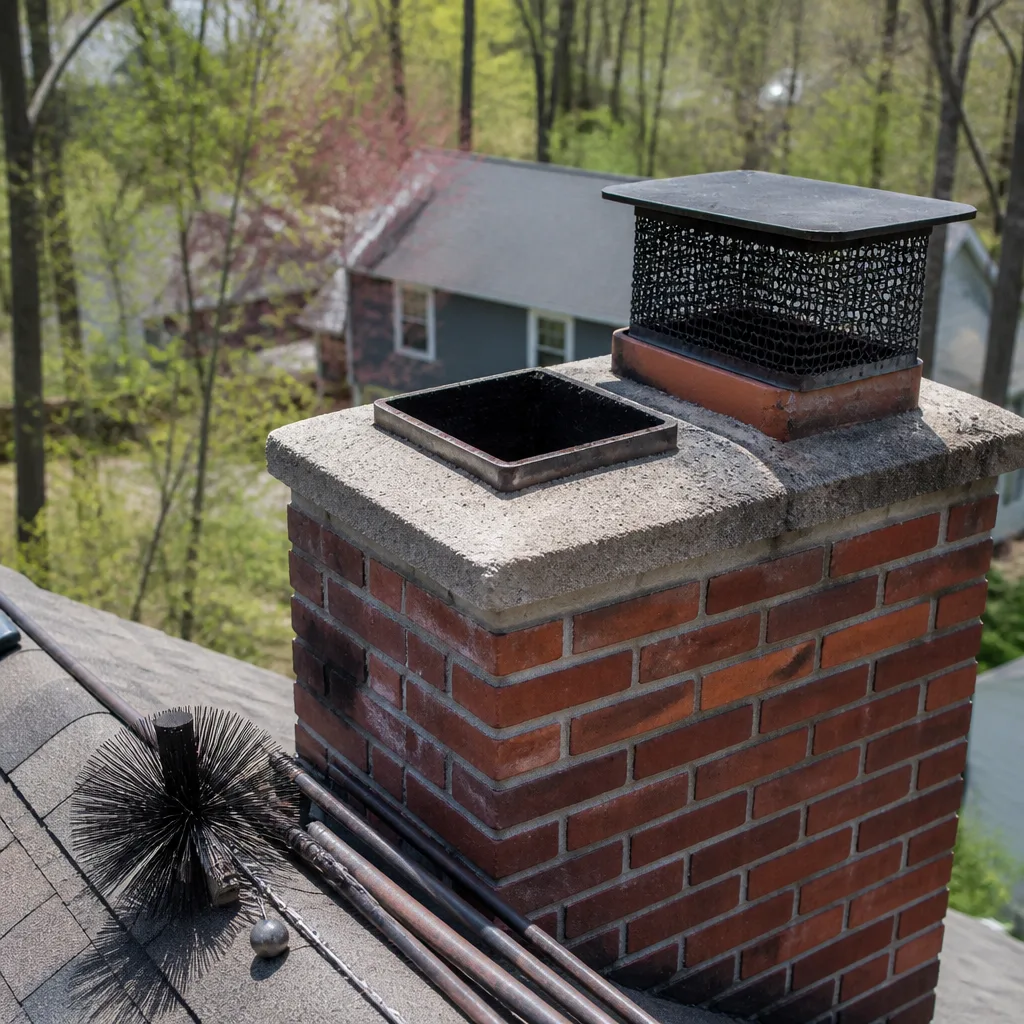
Level 1 sweep and inspection to the NFPA 211 annual standard - flue, crown, cap, and flashing checked and photographed
Chimney sweep logs do not sweep chimneys. They loosen some creosote - which then falls where a brush and vacuum still have to collect it.
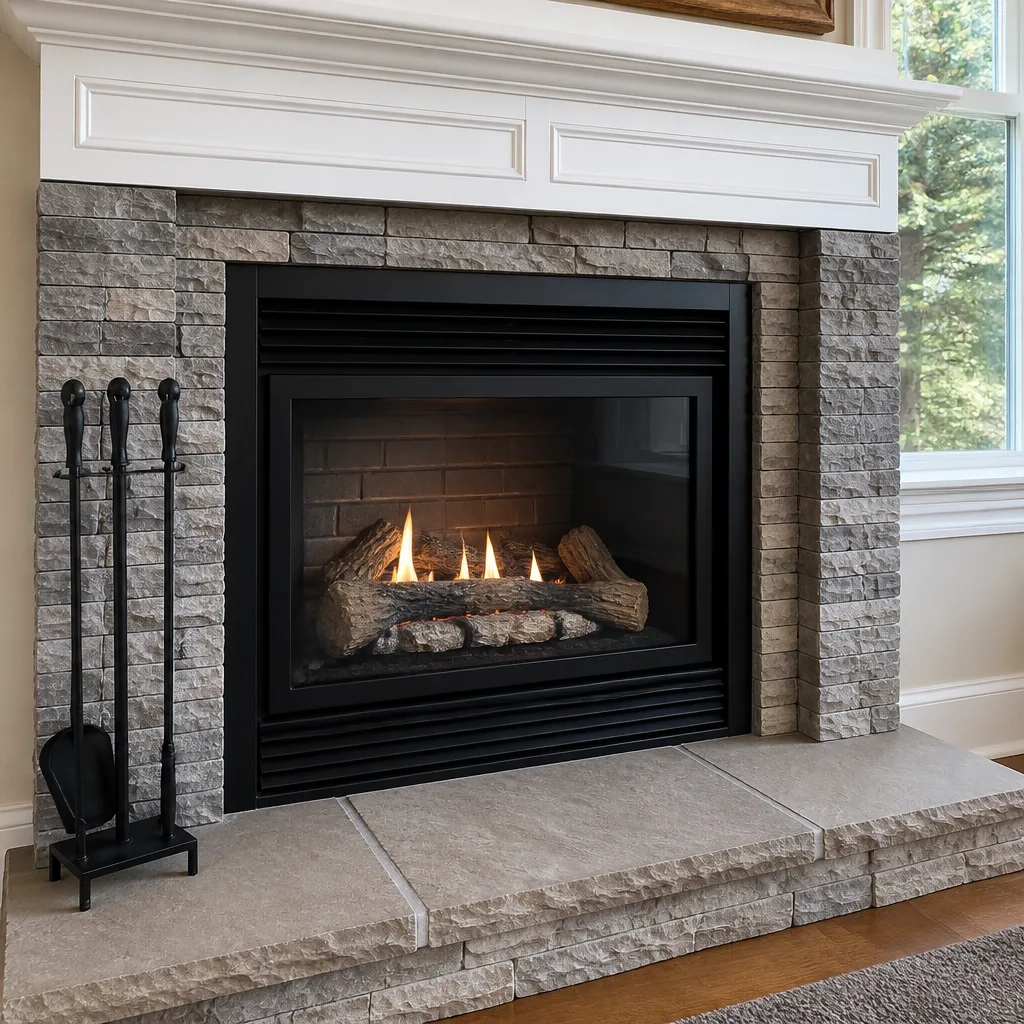
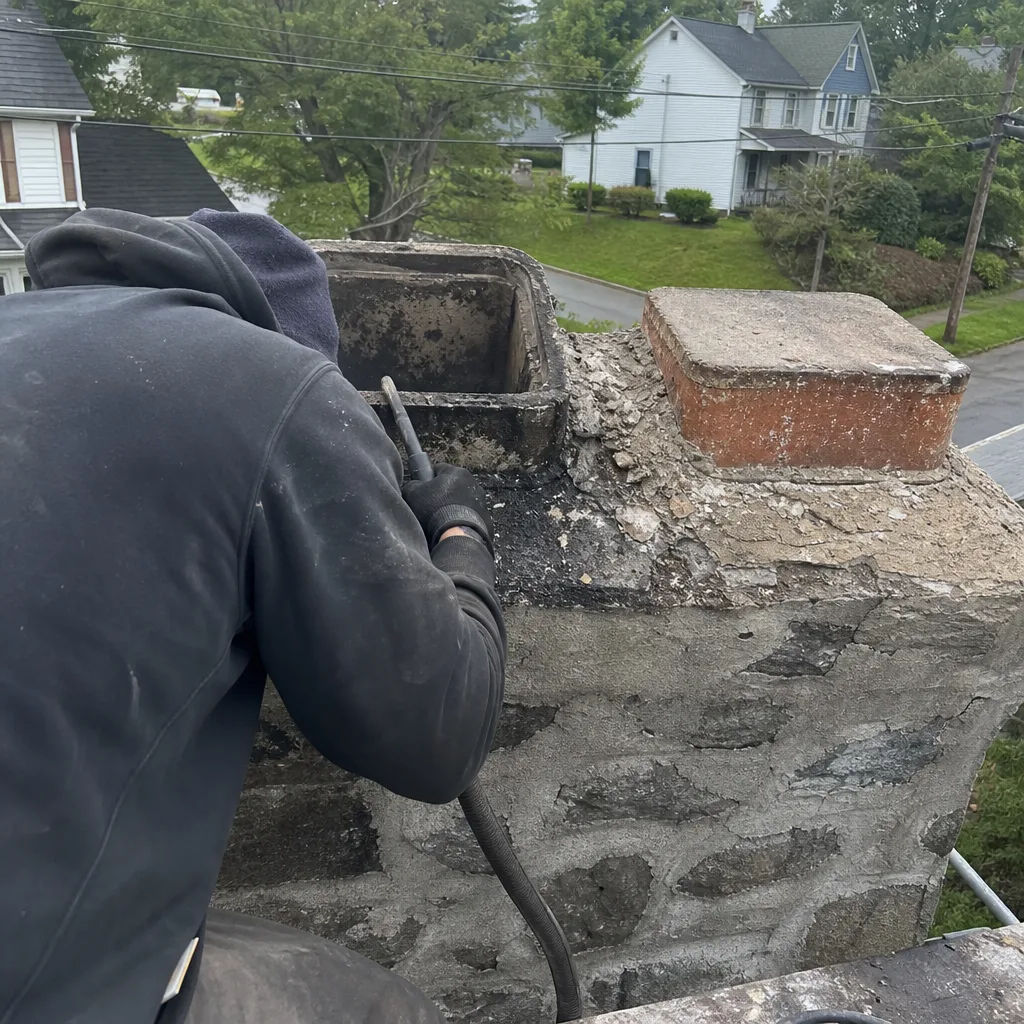 Before
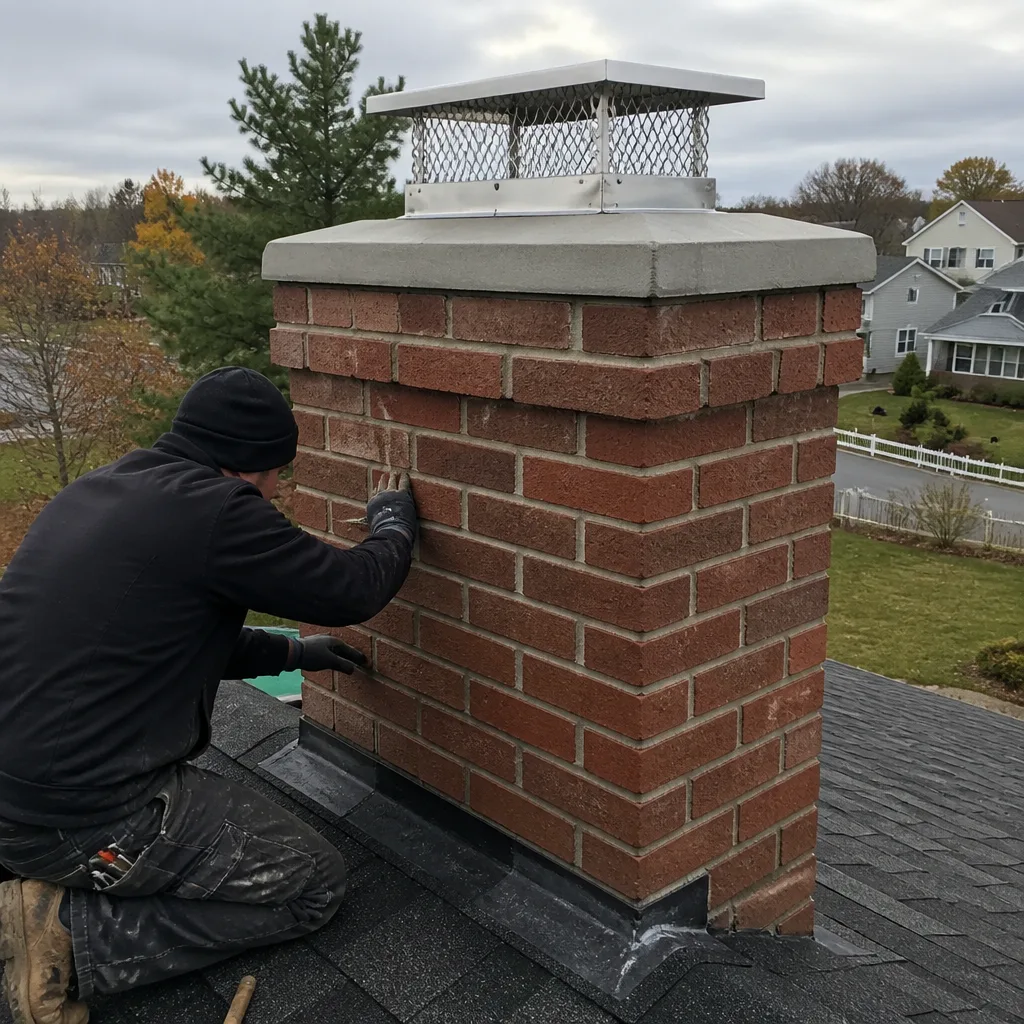 After
After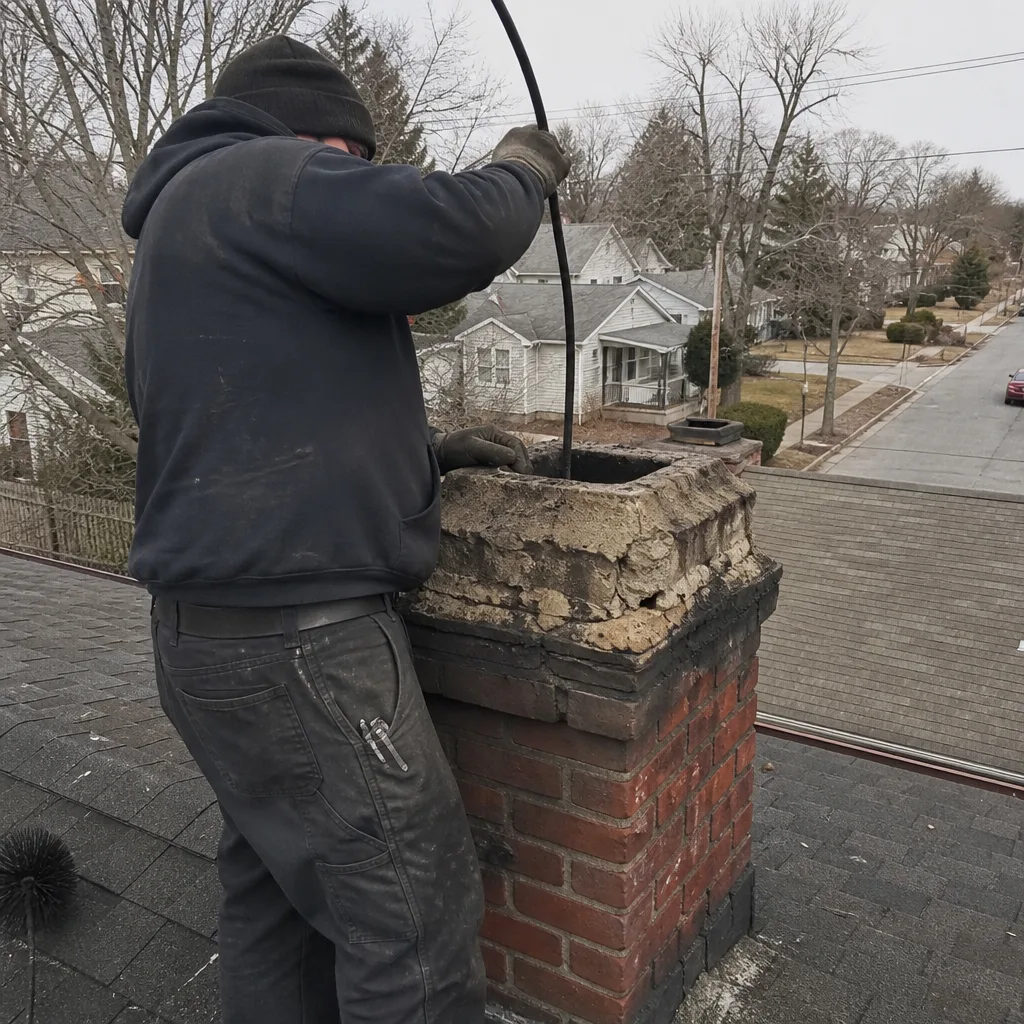 Before
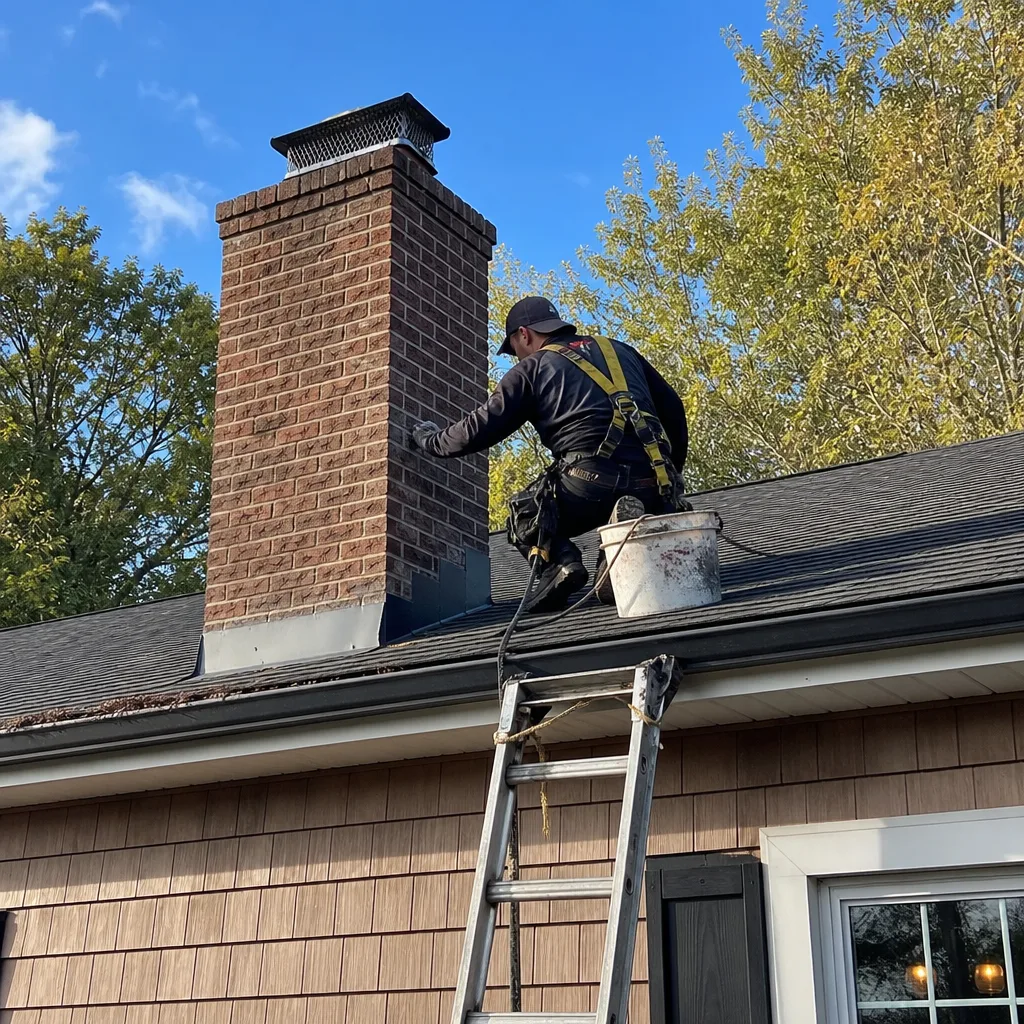 After
After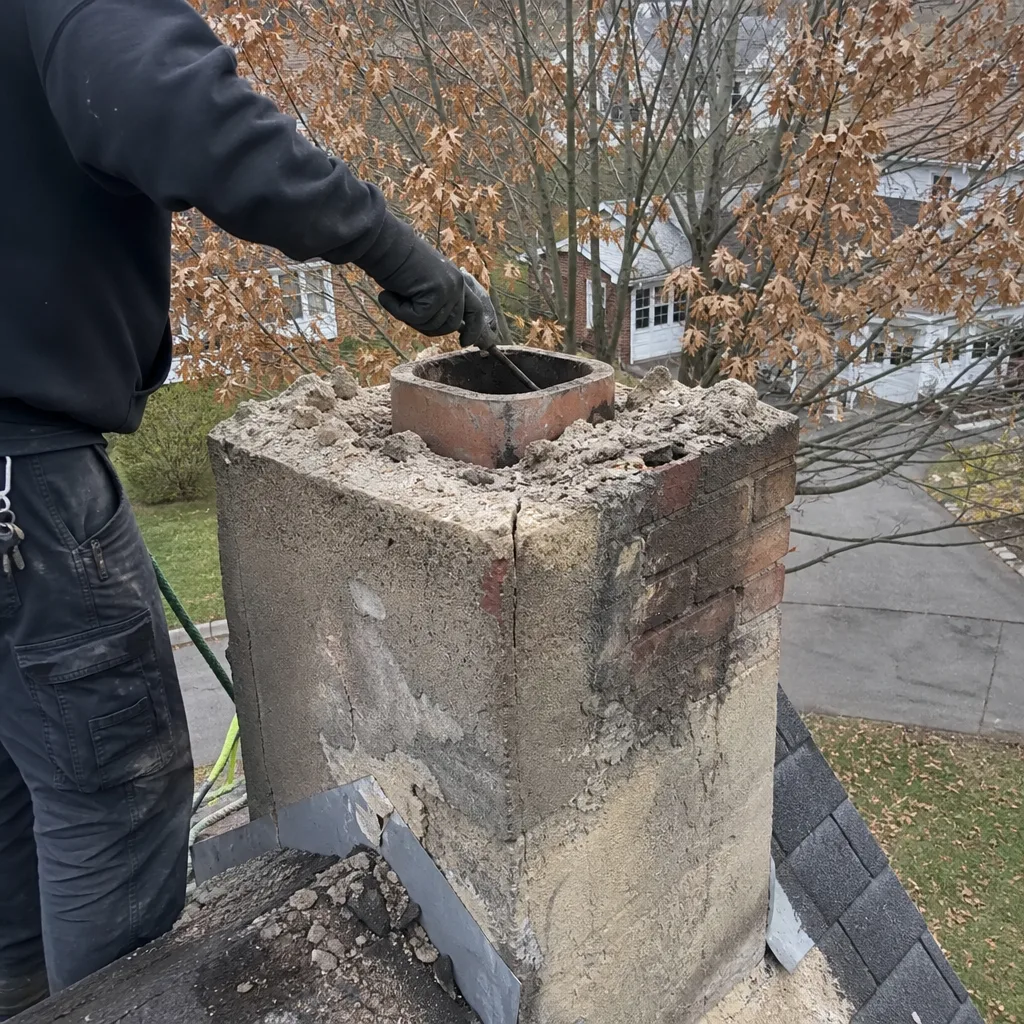 Before
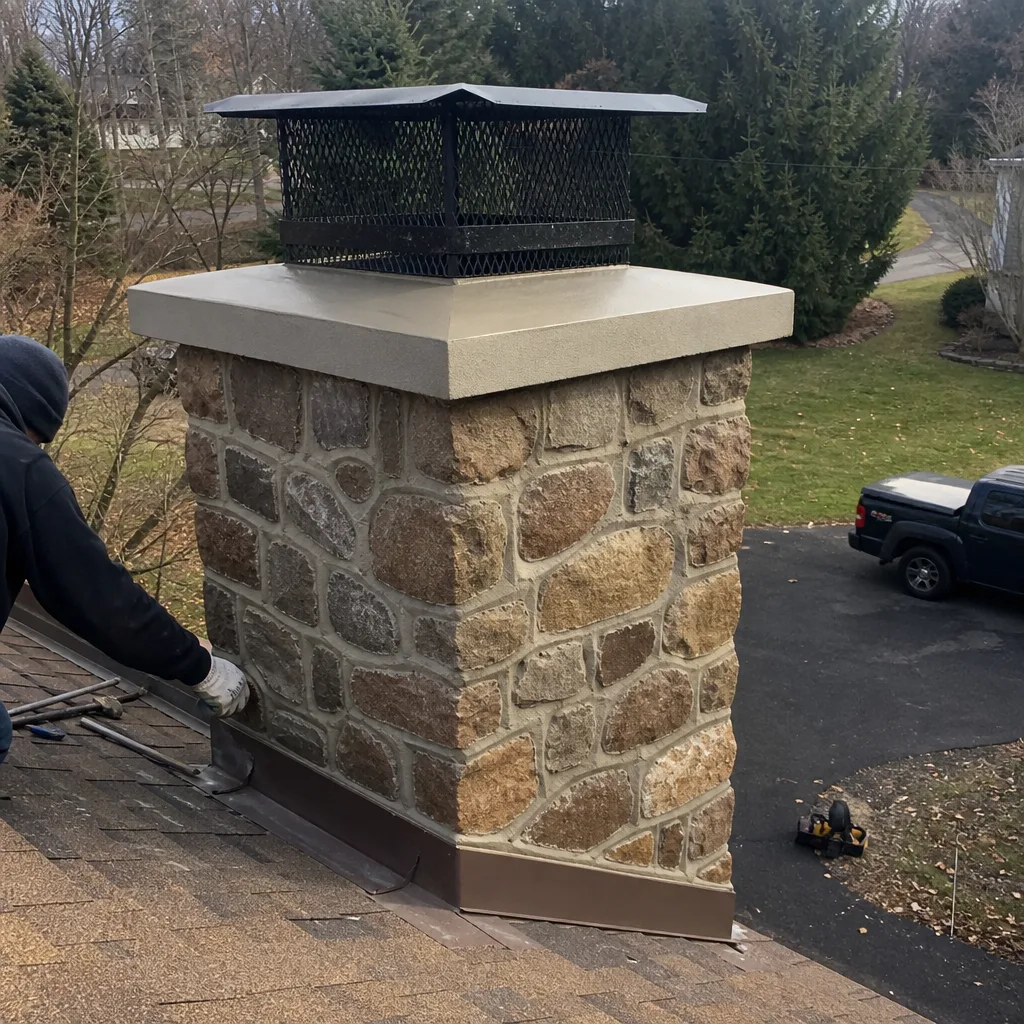 After
AfterChimney Cleaning Warning Signs: A Northampton Homeowner’s Reference Guide
White staining on the outside of your chimney isn’t cosmetic. It’s your masonry telling you water is moving through it, and most Northampton homeowners repaint it instead of finding out where the water is getting in. This guide and our complete guide to chimney cleaning in Northampton walk you through the warning signs that show up before a chimney becomes a real problem: what you can see from your living room, what you can spot from the yard, what your nose is telling you, and which signs mean stop using the fireplace tonight versus which ones can wait for a scheduled visit.
Quick Answer
The warning signs that matter most in a Northampton chimney are: persistent creosote odor that doesn’t fade in warm weather, white staining or flaking on exterior masonry, smoke backing up into the room on cold days, rust on the damper or firebox walls, and crumbling mortar joints you can see from the ground. Any one of these means the chimney needs a professional look. The one that means stop using the fireplace immediately is smoke entering the living space or a strong, sharp creosote smell that appears suddenly.
Table of Contents
- Interior Warning Signs You Can Spot From the Couch
- Exterior Warning Signs Visible From the Ground
- What Your Nose Is Telling You: Odor as a Diagnostic Tool
- Urgent vs. Schedule-Later: How to Tell the Difference
- Older Northampton Homes: Failure Patterns Newer Construction Doesn’t Share
- Common Mistakes to Avoid
- When to Call a Professional
- Frequently Asked Questions
Interior Warning Signs You Can Spot From the Couch
You don’t need to climb onto the roof to know something’s off. The inside of your firebox and the wall around it will tell you plenty, and most of these signs are things you can check in under five minutes while the fire is cold. We’ve been inside enough Northampton chimneys since 1999 to know that the earliest warnings are almost always interior, and almost always ignored.
Dark staining on the firebox walls
Some darkening inside the firebox is normal: fire is dirty, and brick absorbs soot. What’s not normal is a shiny, tar-like coating that reflects light. That’s third-degree creosote, and it’s the stage where sweeping becomes a much bigger job. First-degree creosote is a brush job. Third-degree is a glaze, catch it early. If you can see a buildup that looks wet or glassy, the chimney hasn’t been swept recently enough, or the fires have been burning too cool and smoky.
Rust or corrosion on the damper
The damper sits right at the top of the firebox, and it’s one of the most honest parts of the chimney. If you see rust on the damper plate or the handle, water is getting down the flue. That water carries creosote acids with it, and those acids eat metal. A rusty damper often means the cap is missing or damaged, or the crown has cracks letting rain straight down the flue. Once the damper corrodes badly enough, it won’t seal, and you’ll feel cold air pouring in all winter, warm air escaping all summer.
Smoke that backs up on cold days
This one confuses people because the fire works fine most of the year. Then the temperature drops, and suddenly the living room fills with smoke when you light a fire. That’s a draft reversal caused by a cold, heavy column of air sitting in the flue. Older Northampton chimneys with non-standard flue sizes are especially prone to it, because their flues don’t match the modern appliances or fireplace openings they’re serving. The fix is often a flue sizing adjustment or a draft-improving cap, not a rebuild. But continued smoky startups mean the draft is marginal, and marginal drafts leave creosote behind faster.
Efflorescence on the interior brick
If you see white, chalky powder on the firebox brick or the wall above the fireplace opening, water is moving through the masonry. The powder is salt and mineral deposits left behind when water evaporates. It means moisture is coming from somewhere: the crown above, the flashing where the chimney meets the roof, or failing mortar joints on the exterior. Inside the house, efflorescence usually shows up after the same problem has been active outside for a while. By the time you see it indoors, the exterior is trying to tell you something too.
Exterior Warning Signs Visible From the Ground
Most exterior chimney problems announce themselves years before they become structural. You just have to know what to look for, and in almost every case you can do a basic check from the ground with no ladder and no roof access. Here are the signs, in the order they typically appear as a chimney ages.
- White staining or powdery deposits on the brick face. Efflorescence on the exterior means water is soaking into the masonry and then drying out, leaving minerals behind. It comes and goes with the weather: heavy after rain, lighter after a dry spell. The stain itself isn’t the problem. The water behind it is.
- Flaking or spalling brick. When water soaks into brick and then freezes in Northampton’s January temperatures, the face of the brick pops off. You’ll see brick fragments on the ground, or brick faces that look pitted and rough compared to surrounding brick. Spalling is a freeze-thaw failure, and it’s the surest sign that water has been in the masonry long enough to do structural damage.
- Crumbling mortar joints. Run your eye along the horizontal and vertical joints between the bricks. Good mortar is flush and solid. Deteriorating mortar looks recessed, sandy, or has visible gaps. You may be able to pull a crumbling chunk out with your finger. Mortar joints are the chimney’s shock absorbers. When they fail, the brick starts carrying weight and moisture it was never meant to carry.
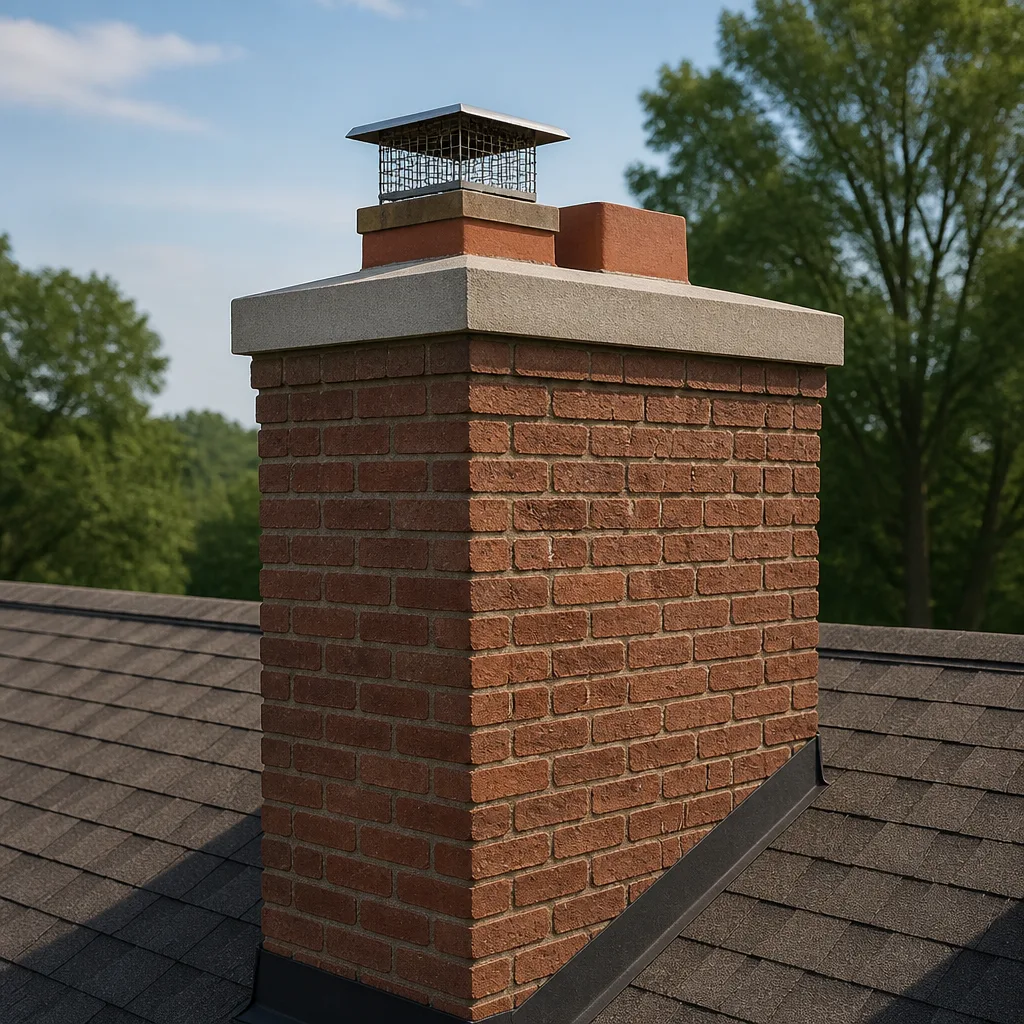
- Cracks in the concrete crown. The crown is the sloped concrete cap at the very top of the chimney. You may be able to see it from the ground if your roofline is low enough, or from an upstairs window. Small hairline cracks are common on older chimneys, but any crack wide enough to catch a fingernail is letting water in. Crown cracks widen every winter as trapped water freezes.
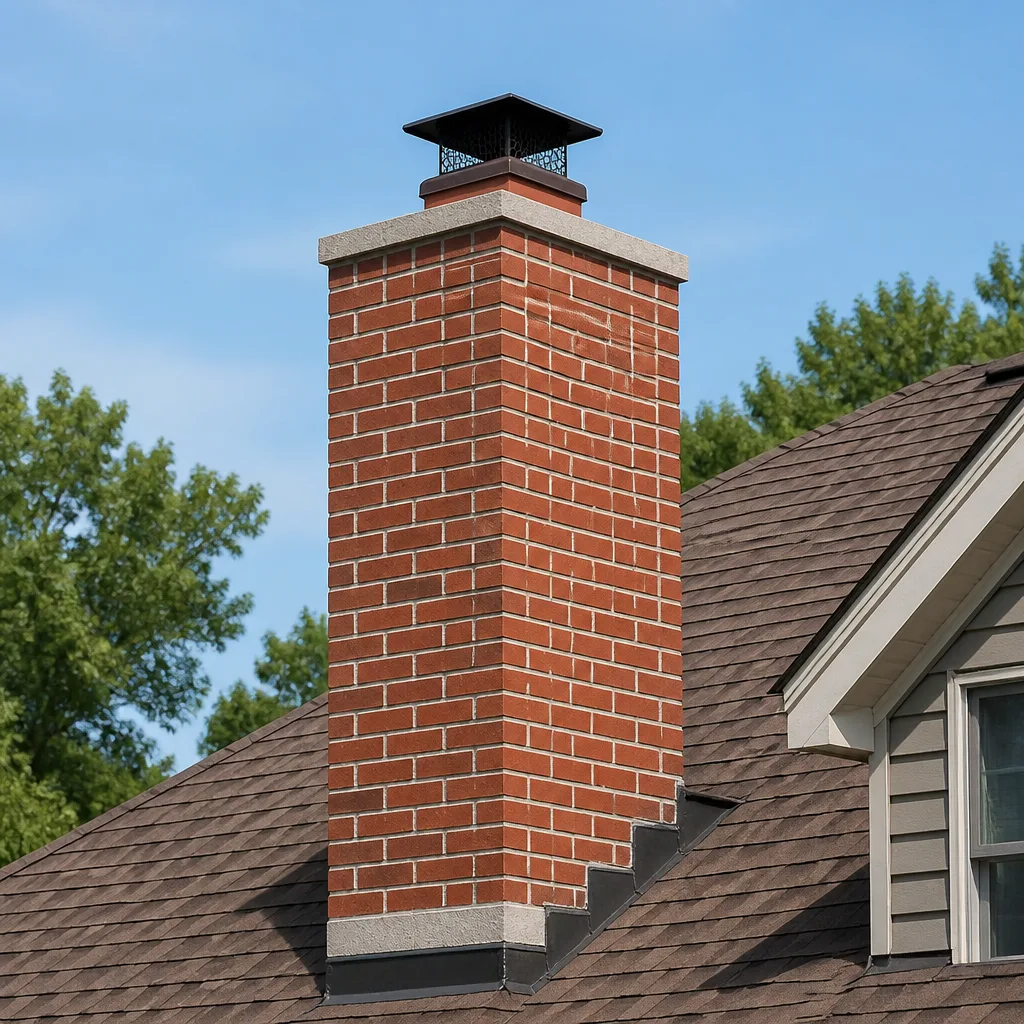
- Rusted flashing or gaps at the roofline. Flashing is the metal that seals the seam where the chimney meets the roof. From the ground, look for rust staining, lifted edges, or dried and cracked sealant. A failed flashing lets water run down the outside of the chimney and into the attic, and many Northampton homeowners call us about a ceiling stain that turns out to be flashing, not the roof itself.
What Your Nose Is Telling You: Odor as a Diagnostic Tool
Your flue doesn’t care how the fire looks. It cares how it breathes. And the way a chimney breathes produces distinct smells, most of which show up strongest in summer when the draft reverses and pulls air down into the house. Learning to tell these smells apart tells you whether you’re dealing with a routine cleaning, a moisture problem, or a buildup that needs attention sooner than your annual sweep.
The normal cold-fireplace smell
Every fireplace has some odor when it hasn’t been used in weeks. A faint, cool, slightly smoky smell on humid days is normal, especially in older chimneys. It’s what happens when outdoor air gets pulled down the flue and carries the memory of last winter’s fires with it. If the smell is mild and disappears when you air the room out, it’s normal.
The persistent creosote smell
Creosote has a sharp, acrid, almost tar-burning smell. When it’s strong enough that you notice it in rooms far from the fireplace, or it lingers even with the damper closed, that’s Stage 2 or 3 creosote buildup. The smell is the volatile compounds in the creosote off-gassing, and in humid Northampton summers it gets dramatically worse. A smell that strong means the flue has been neglected long enough that the buildup itself is a fire risk.
The damp, musty smell
Moisture problems smell different. If the chimney gives off a wet, earthy smell like a basement after rain, water is getting in and not drying out. That could be the crown, the flashing, or a cracked masonry wall. The smell comes from damp creosote, which absorbs water like a sponge and holds it against the flue. And wet creosote is more corrosive than dry creosote.
The animal smell
A sudden dead-animal smell, or scratching and chittering sounds from the flue, means something has taken up residence. Northampton sees squirrels, raccoons, starlings, and chimney swifts. Once a bird or animal leaves (or doesn’t), the nest is a fire hazard and a draft obstruction. A proper cap from Olympia Chimney or Famco prevents the whole problem.
Urgent vs. Schedule-Later: How to Tell the Difference
Not every warning sign means you need to clear your schedule and stop everything. Some do. Here’s a practical way to think about it.
Stop using the fireplace immediately if:
- Smoke is entering the living space and won’t clear. That’s a draft or blockage problem, and it can pump carbon monoxide into the house.
- You smell a sharp, hot creosote odor during or right after a fire. It means the buildup is significant enough to ignite.
- You hear crackling or popping from inside the flue that’s louder than normal, or see flames above the firebox damper. That can be a chimney fire in progress. Call the fire department if you suspect it.
- Loose brick or chunks of masonry have fallen onto the hearth or into the firebox. The structure is failing.
Schedule an appointment when you can:
- You see early efflorescence or minor flaking on the exterior brick. It’s a moisture problem that will get worse, but a few weeks won’t change the outcome.
- The damper is stiff or slightly rusty. Worth addressing before winter, but not a tonight problem.
- The chimney smells musty in summer, or faintly smoky. It’s likely time for a sweep and an inspection, but your house isn’t in danger this week.
- You haven’t had the chimney swept in over a year. Once a year, burn or no burn. Chimneys break in the off-season too.
Most chimney problems announce themselves before they become dangerous. The trick is knowing which announcement is urgent.
Older Northampton Homes: Failure Patterns Newer Construction Doesn’t Share
Northampton has a lot of housing stock built before 1960, and those chimneys fail in predictable, specific ways. If you live in one of the older neighborhoods around town, here’s what we see most often.
Non-standard flue sizes. Older chimneys were often built for coal or oil, then converted to gas or wood later. The original flue may be too large or too small for the current appliance. An oversized flue cools the exhaust too quickly, which condenses creosote or water inside the flue and makes the smell and buildup problems worse. An undersized flue can’t carry the exhaust and pushes smoke back into the living space.
Converted heating systems. When an old boiler or furnace was replaced with a modern high-efficiency unit, the new appliance vents differently. Many older Northampton homes have original masonry chimneys that are now venting appliances they weren’t built for, or have been orphaned entirely. The result is condensation running down the inside of the flue, which eats through the mortar from the inside. You can’t see this damage from outside. A camera inspection shows it clearly.
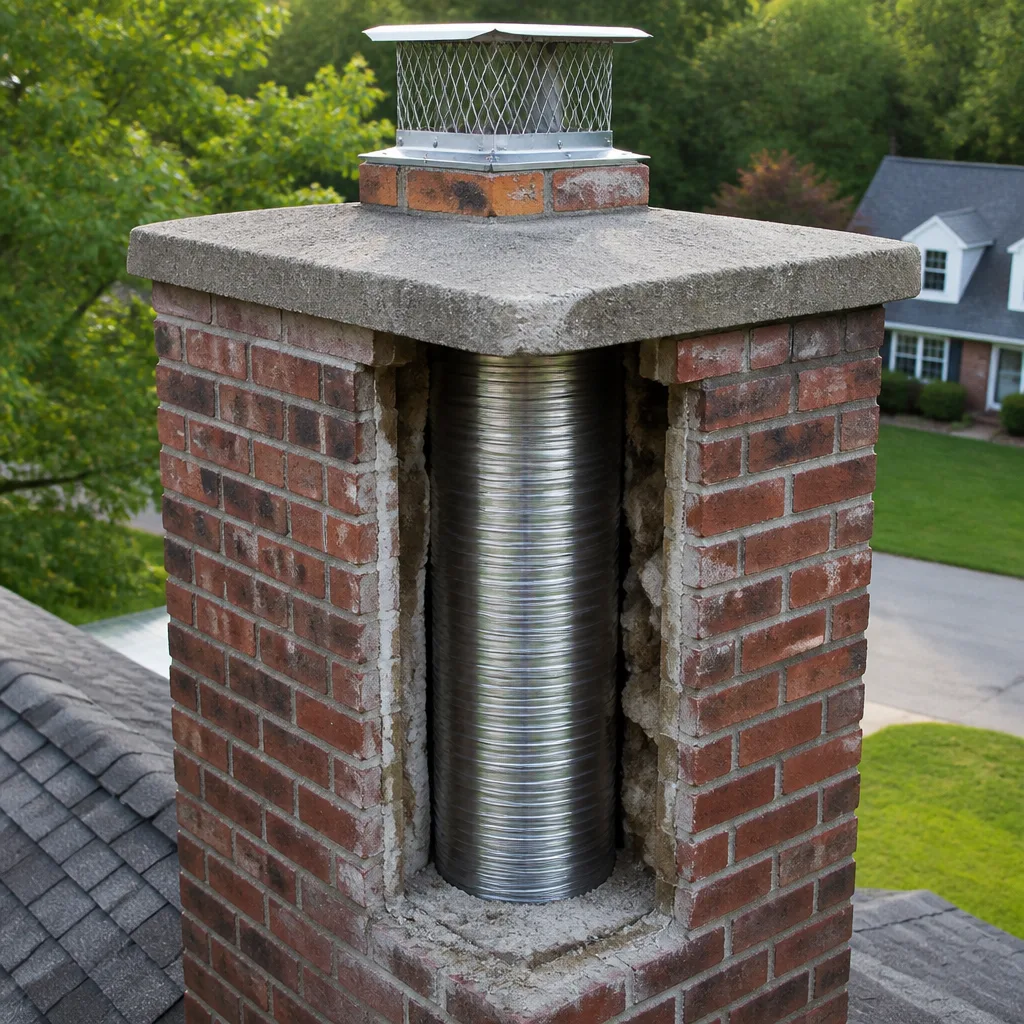
Clay tile liners at end of life. Many older chimneys have original clay tile liners. These tiles crack under years of thermal cycling, and cracked tiles let heat and gases reach the masonry wall. The camera footage tells the story, and often a DuraFlex stainless liner is the right fix rather than a full rebuild.
Deeply inset fireplaces with shallow smoke shelves. A lot of pre-war fireplaces in the area were built with shallow smoke chambers. They smoke easily, especially when the wind shifts. Sometimes the fix is a change in fire-building technique. More often it’s a smoke chamber parging or a draft-improving cap.
These older systems aren’t necessarily worse than new ones. They just need someone who’s worked with them before. If your chimney was built before your parents were, the first thing Wendell and his crew will tell you is what you’re actually working with, not what a franchise checklist says it should be.
Common Mistakes to Avoid
- Repainting over efflorescence. It hides the symptom for a season, but the water migration continues behind the paint, and trapped moisture makes the masonry spall faster. Find the water source first, then repaint if you want.
- Sealing the chimney top without fixing the crown first. Water-resistant sealants and paints applied over a cracked crown just trap the water that’s already inside. Cracked crowns need repair or replacement before any sealant makes sense.
- Burning green or treated wood. Green wood burns cool and creates creosote fast. Treated lumber gives off chemicals you don’t want in your house. Burn only seasoned hardwoods in Northampton’s climate, where cool shoulder-season burns are already prone to creosote.
- Assuming no fires means no problems. The off-season is when water and animals do their worst work. A chimney unused for years still needs inspection before the first fire.
- Trusting a visual inspection from below. You can’t see what matters from inside the living room. The flue above the damper, the crown, and the flashing all need direct access. Anyone who tells you the chimney is fine without putting eyes or a camera on the flue isn’t giving you a full answer.
- Putting off the second opinion. If a previous sweep quoted a liner rebuild and you weren’t sure it was necessary, get the second opinion before the quote expires. We offer a free second opinion on any written estimate, and the camera footage and a plain-English verdict come with it, every time, no exceptions.
- Burning fires one more season before addressing the smell. The smell that fades in winter comes back stronger every summer. Creosote buildup doesn’t fix itself, and every fire adds to the problem. The chimney that smelled faintly for two summers can be the one that causes a chimney fire in the third.
When to Call a Professional
Call a sweep when you can see, smell, or hear any of the signs in this guide and you can’t explain them away with certainty, or read how to hire a chimney cleaning contractor in Northampton before you call. Specifically: when smoke backs into the room, when the creosote smell gets stronger over time, when you see white staining or crumbling brick, when the damper sticks or rusts, or when it’s simply been more than a year since the last cleaning. Water issues especially don’t get better on their own, and the freeze-thaw cycle in a Pennsylvania winter turns small cracks into big repairs. If you’re not sure what you’re looking at, Top Hat Chimney offers free estimates in Northampton, and the number you hear on the phone is the number on the invoice. Call (484) 859-1367.
Frequently Asked Questions
Once a year, burn or no burn. The National Fire Protection Association recommends an annual inspection and sweeping whenever buildup reaches 1/8 inch. We recommend an annual sweep here because Northampton’s damp shoulder seasons and cold winters create exactly the conditions creosote likes, even in chimneys that only get occasional use. Call (484) 859-1367 to schedule a time, and the number you hear on the phone is the number you’ll see on the invoice.
Creosote has a sharp, acrid, tar-like smell, often described as burnt wood mixed with asphalt. It’s distinct from the faint smoky smell of a fireplace that hasn’t been used in a while. A persistent creosote smell that shows up in summer or spreads through the house means Stage 2 or 3 buildup, and it needs attention before the next burn season.
A standard chimney cleaning and sweeping in the Northampton area typically runs $150 to $250, depending on the flue size, accessibility, and how much buildup is present. If a chimney hasn’t been cleaned in years, or has third-degree glazed creosote, the job takes longer and costs more. Top Hat Chimney gives upfront pricing before a single tool comes off the truck. Call (484) 859-1367 for a free estimate.
Sometimes the liner truly needs replacement, and sometimes a less invasive fix will do. The only way to know is to look at the flue directly, usually with a camera. In our experience, many Northampton homeowners get quoted a liner replacement without seeing evidence that the current liner has actually failed. We show you the camera footage and walk through what it means in plain English. We’re glad to give a free second opinion on any written estimate, and we’ll tell you plainly if the work can wait.
In summer, warm outdoor air pushes down the chimney and carries the smell of creosote, soot, and dampness into the house. The stronger the buildup, the stronger the smell. Moisture worsens it, because wet creosote off-gasses more. A chimney that smells bad all summer is one of the best early indicators that a cleaning, and possibly a moisture repair, is due.
A full inspection covers the flue interior, the damper, the firebox, the smoke chamber, the crown, the flashing, the exterior masonry, and the cap. We use a camera to check what can’t be seen from below, and we provide the footage and a plain-English verdict, every time, no exceptions. If you haven’t had the chimney looked at in over a year, call (484) 859-1367, and we’ll give you the honest word on what it needs and what it doesn’t. You can also browse more guides & resources on our blog.
The Bottom Line
Chimneys don’t fail quietly. They stain, smell, rust, crack, and smoke. The problem is that most of those warning signs look like ordinary wear to a homeowner, so they get ignored or painted over. Learn to read the signs this guide covers: the white residue that means water is moving through the brick, the sharp creosote smell that means buildup is past the brushing stage, the rust on the damper that means water is coming down the flue. When you know what you’re looking at, you can tell the difference between a minor cleaning and a serious repair. And when you’re not sure, that’s what a local sweep is for. Top Hat Chimney has been serving Northampton since 1999, and we’re happy to sweep and inspect your chimney, repair what’s broken, or get your fireplace working right. Call (484) 859-1367 for a free estimate.
Written by Wendell Pike, Owner at Top Hat Chimney, serving Northampton since 1999.