
Last updated September 10, 2026
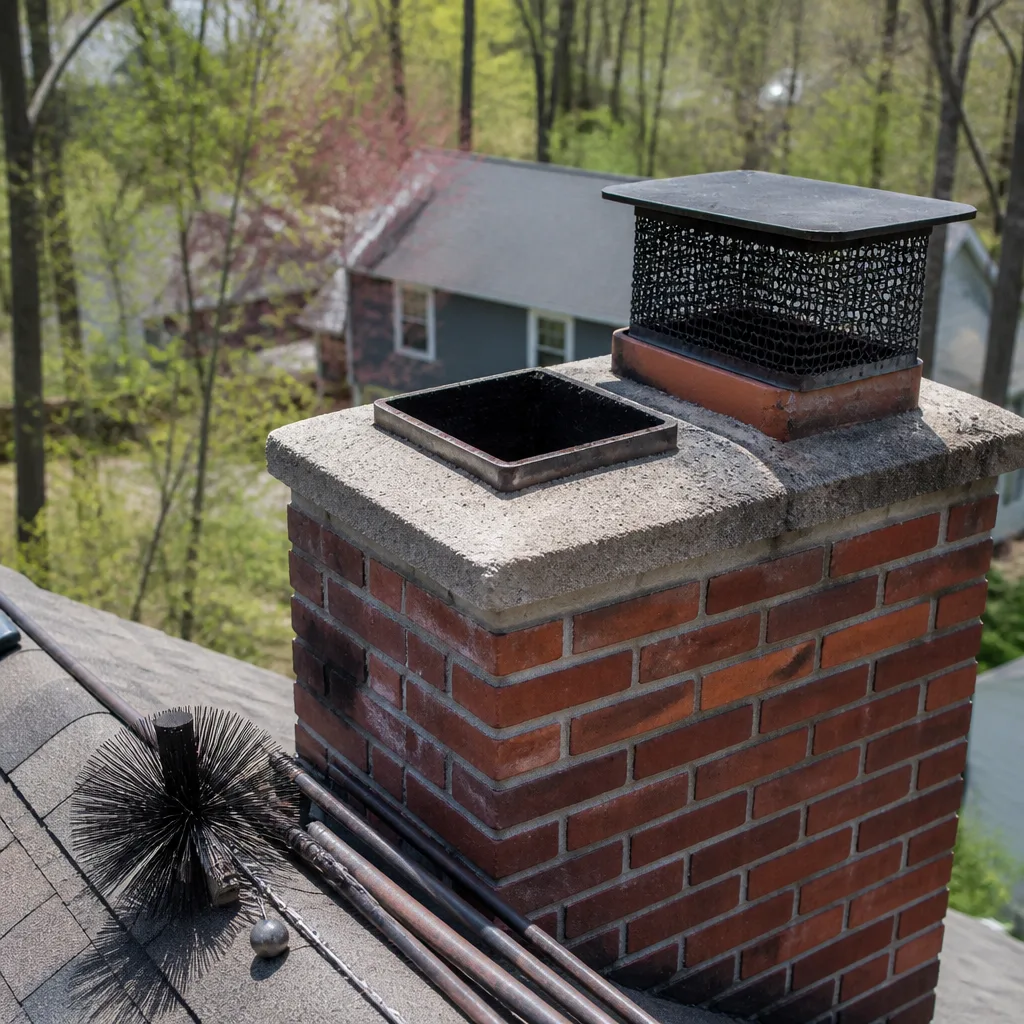
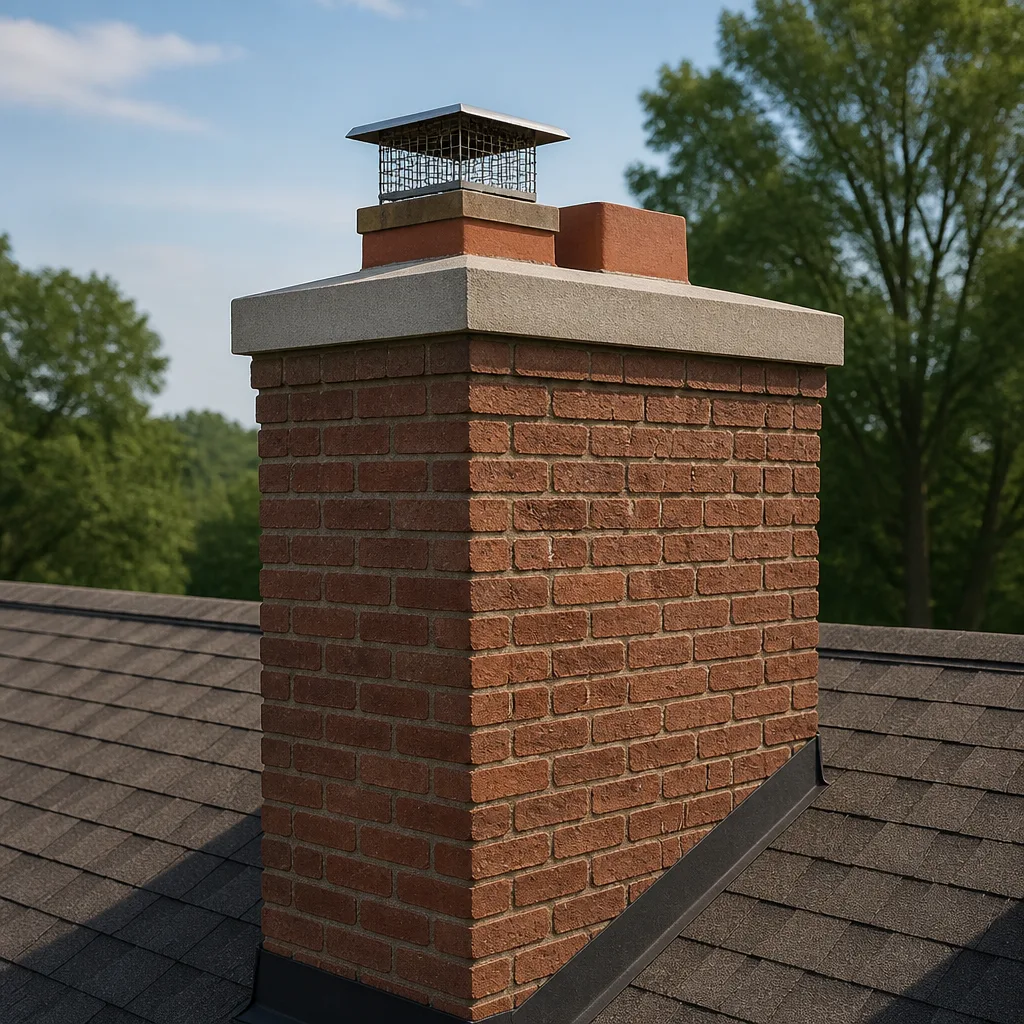
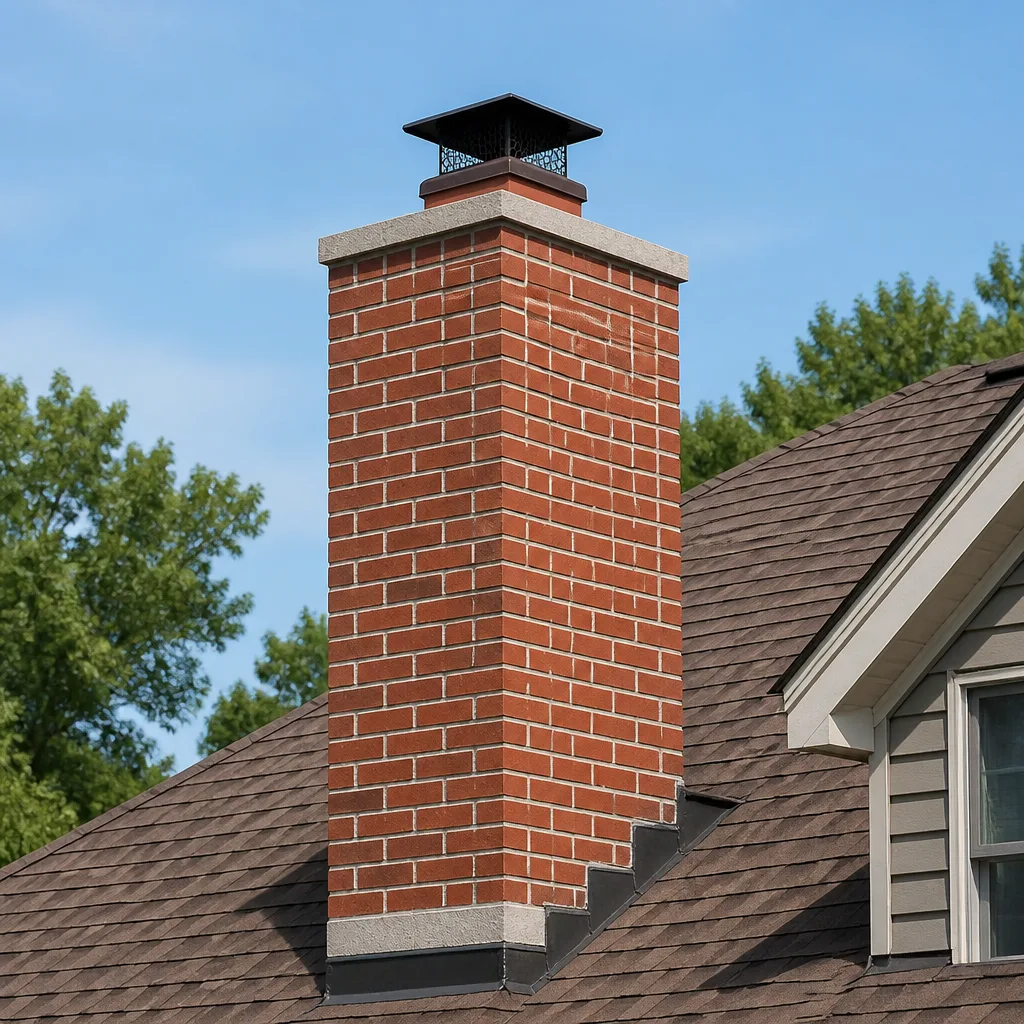
Level 1 sweep and inspection to the NFPA 211 annual standard - flue, crown, cap, and flashing checked and photographed
Chimney sweep logs do not sweep chimneys. They loosen some creosote - which then falls where a brush and vacuum still have to collect it.
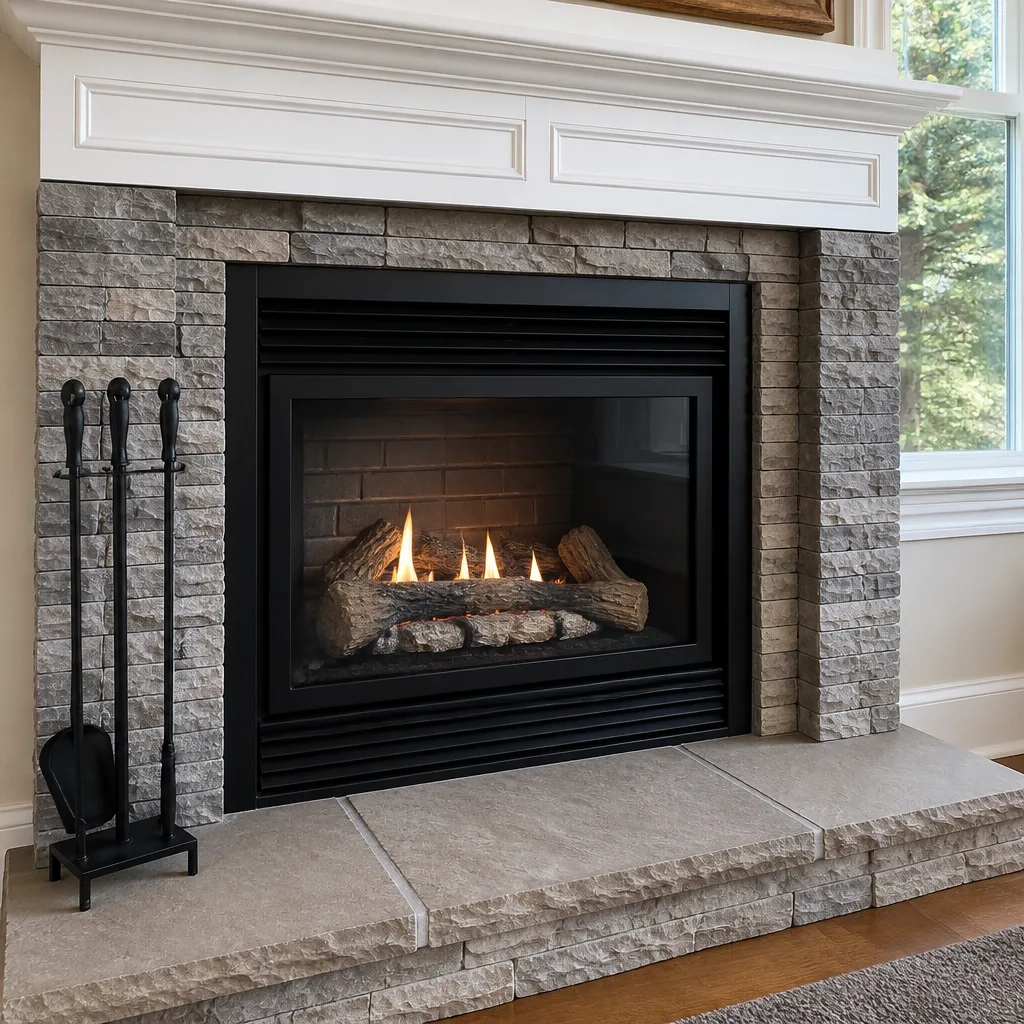
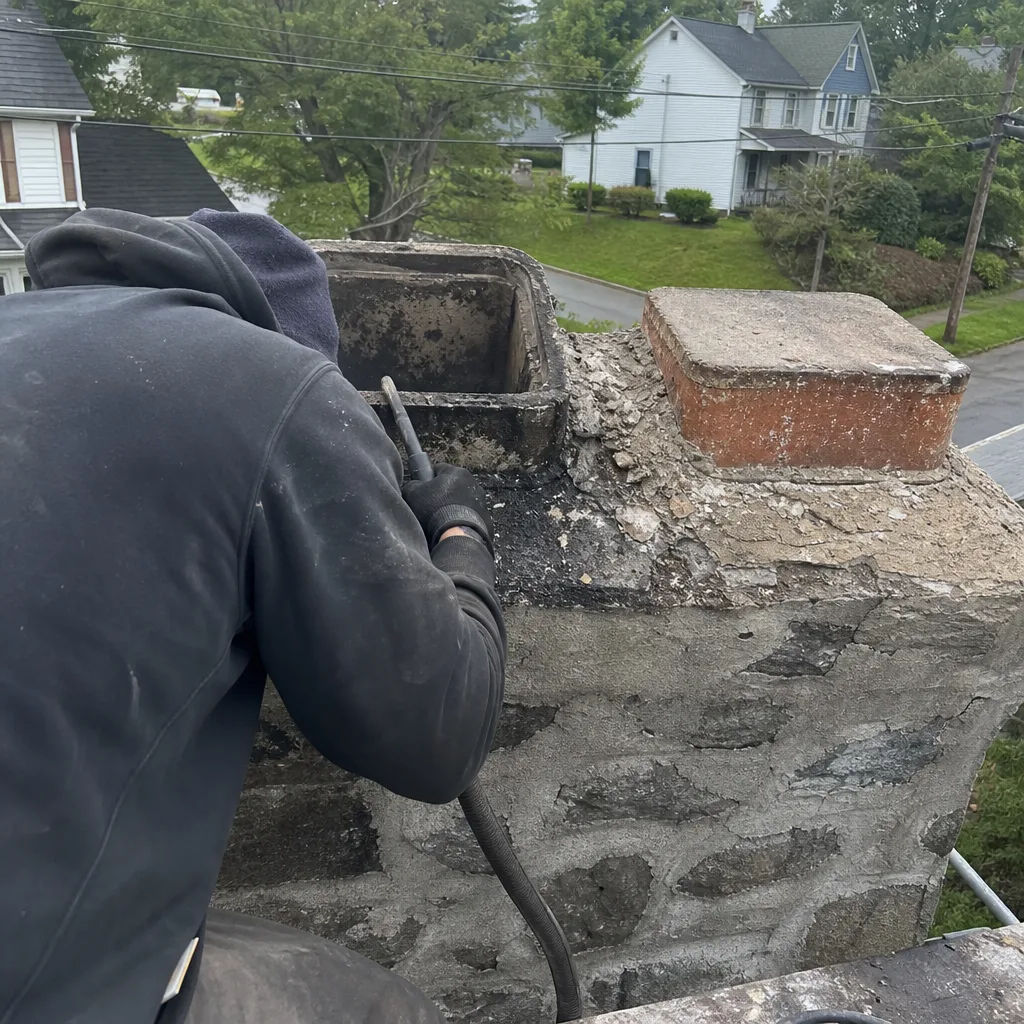 Before
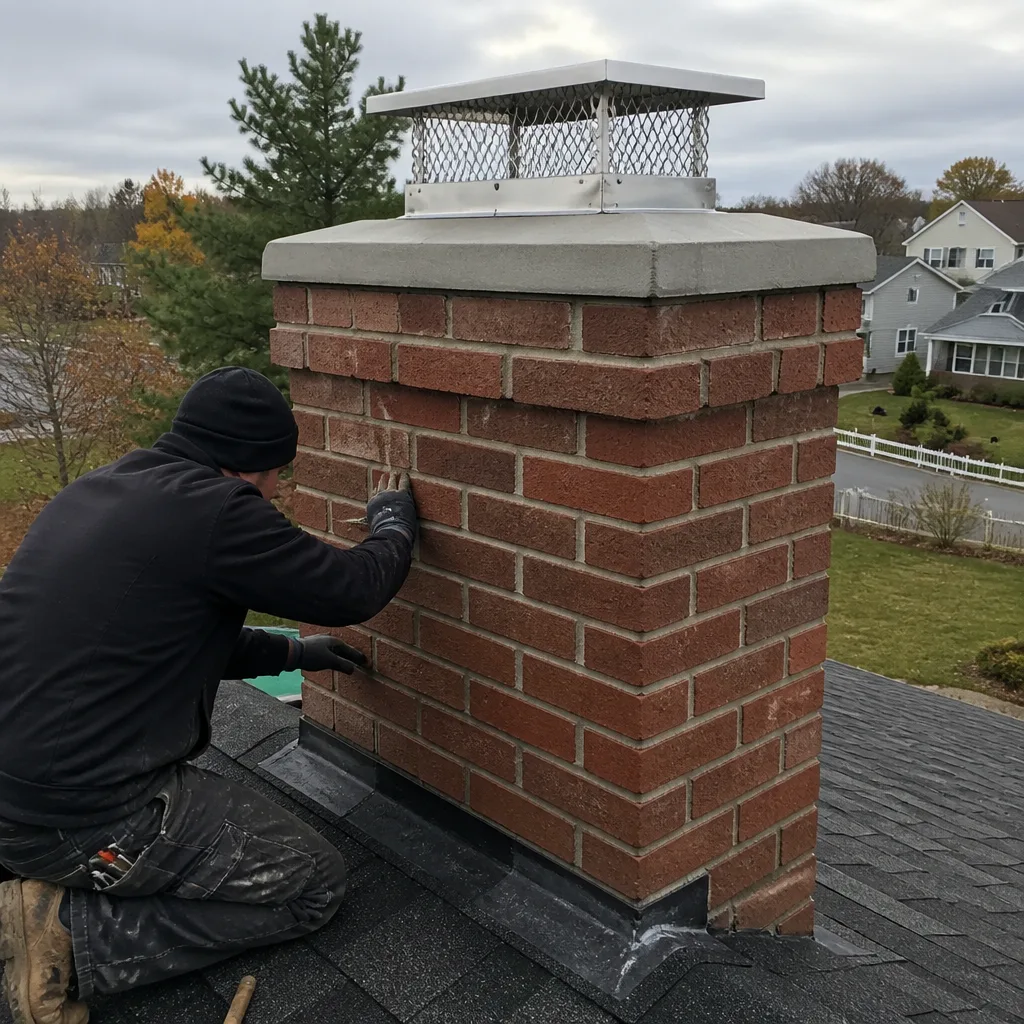 After
After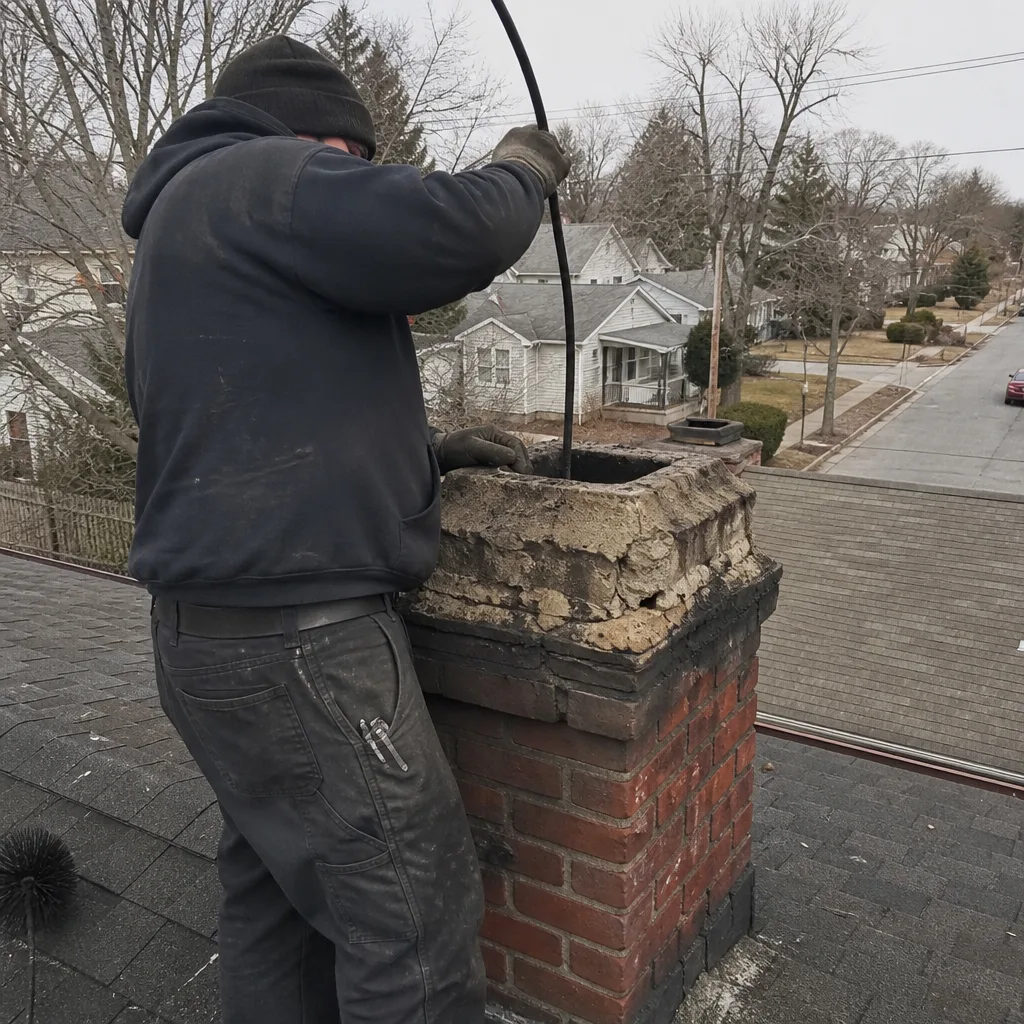 Before
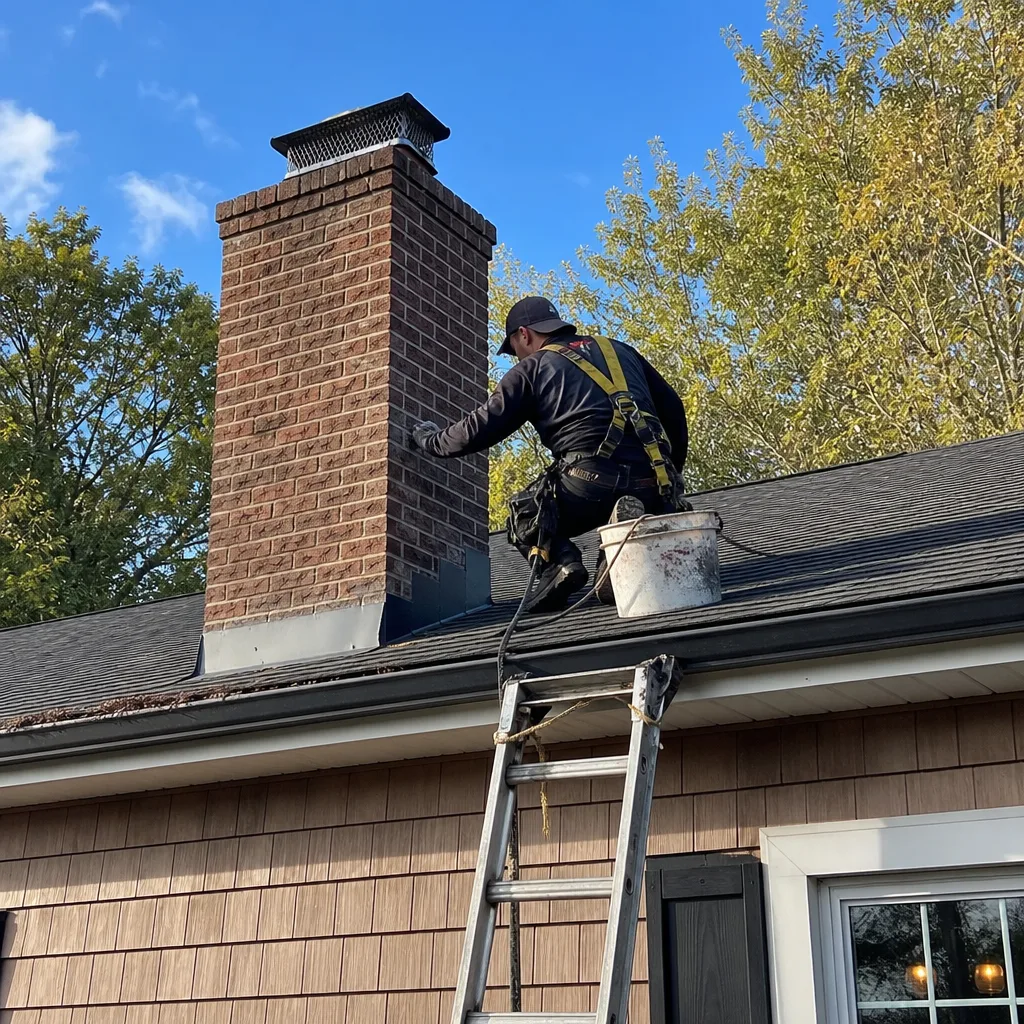 After
After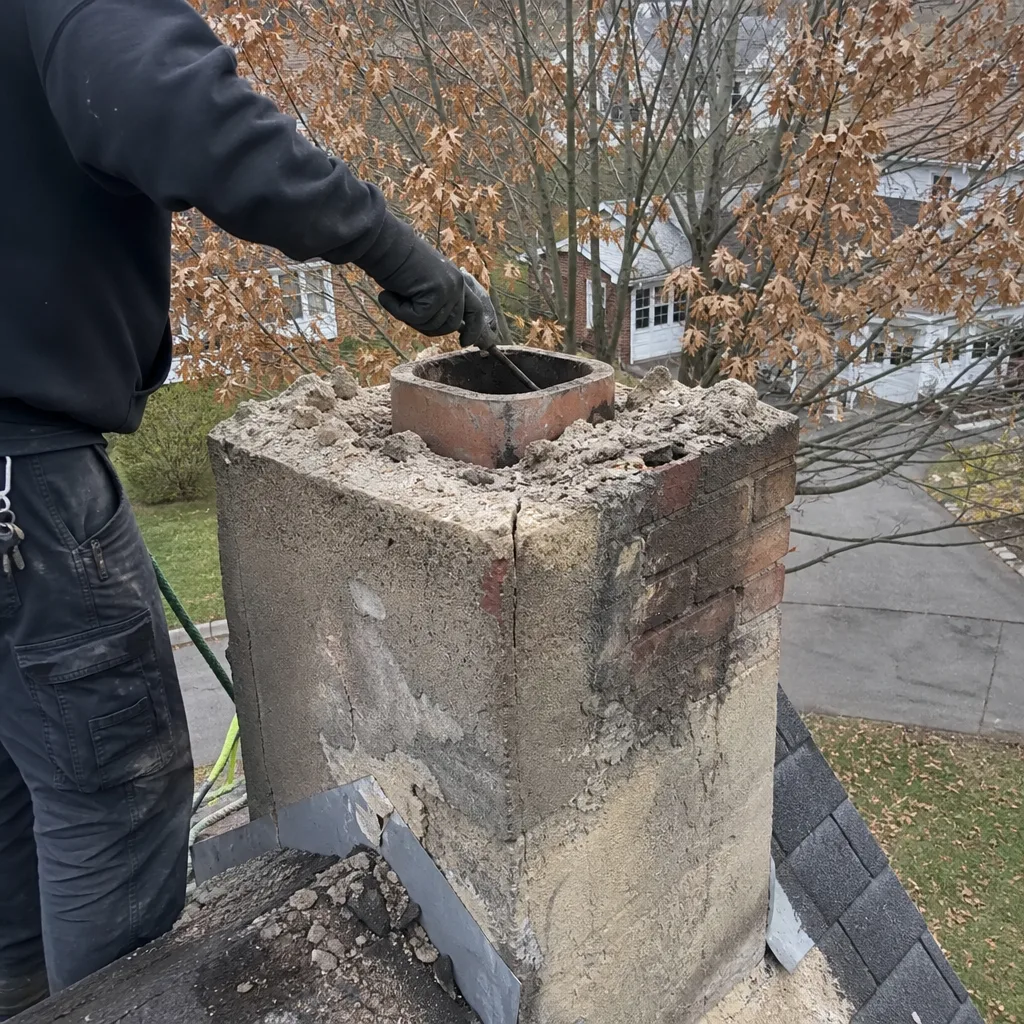 Before
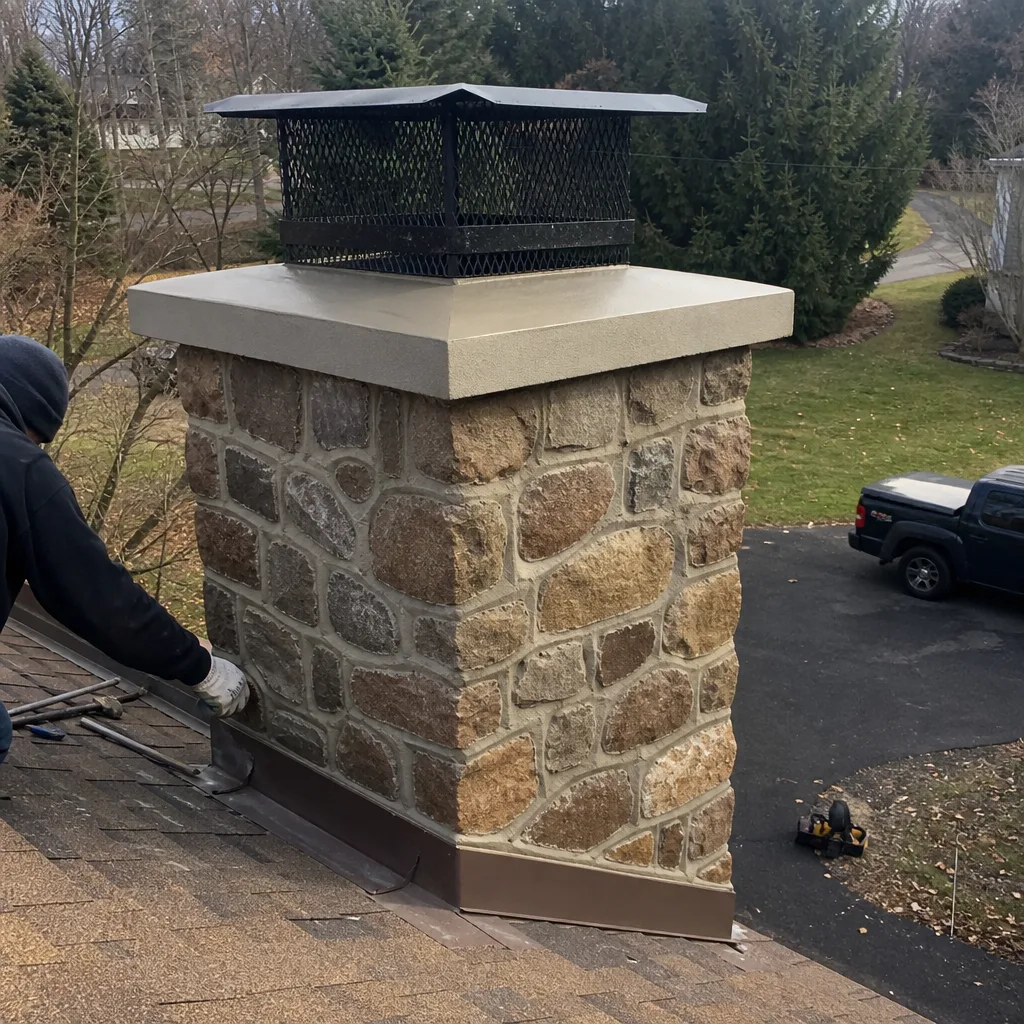 After
AfterDIY vs Professional Chimney Cleaning: The Northampton Homeowner’s Decision Guide
Few home maintenance jobs feel as deceptively simple as cleaning a chimney. You can buy a brush kit at the hardware store in Northampton for about $80, climb up on the roof on a dry Saturday, and spend an hour running rods down the flue. And here’s the part most guides won’t tell you: sometimes that’s genuinely enough. But the brush is not the point. The point is knowing what you’re looking at when you pull it back up, because a clean flue and a flue with Stage 2 glazed creosote look similar enough to someone who hasn’t seen a few hundred of each. This guide walks through what DIY brushing can and cannot accomplish, what equipment you’ll actually need, and the specific Northampton situations where hiring a licensed sweep is the cheaper decision even when the brush kit costs less up front. For how to hire a chimney cleaning contractor in Northampton, see our step-by-step guide.
Quick Answer
DIY chimney cleaning is reasonable for homeowners with infrequent fireplace use, a confirmed Stage 1 creosote level from a prior professional inspection, and a single-story home with an accessible roof pitch. DIY is a bad idea when you have Stage 2 or 3 creosote, any history of chimney fire, an unlined or deteriorating flue, or when you need the documented inspection record a licensed sweep provides for insurance purposes. Most Northampton homeowners land somewhere in the middle, and the smartest first step in nearly every case is a professional inspection that tells you exactly what you’re dealing with before you decide who holds the brush.
Table of Contents
- What DIY Brushing Actually Accomplishes
- What DIY Brushing Cannot Do, Regardless of Who’s Holding the Brush
- The Equipment You Actually Need (It’s Not Just a Brush)
- When DIY Is Reasonable: Four Specific Northampton Scenarios
- When DIY Is a Bad Idea: The Situations That Cost You More
- What You Lose by Skipping the Professional
- Step-by-Step: How a Careful Homeowner Does It
- Common Mistakes to Avoid
- When to Call a Professional
- Frequently Asked Questions
- The Bottom Line
What DIY Brushing Actually Accomplishes
Let’s be straight about what a brush does. The wire or poly brush on the end of those fiberglass rods knocks loose the powdery, flaky creosote that builds up in the first stage of accumulation. That’s real work, and in a flue with light, fluffy Stage 1 creosote, an hour of brushing removes most of what needs removing. The flue breathes better afterward, your draft improves, and you’ve reduced the fuel load that makes chimney fires possible.
In our experience with homes across Northampton and the surrounding townships, Stage 1 creosote is what you get when you burn seasoned hardwood, burn it hot, and don’t use the fireplace as your primary heat source. It’s dusty, brown or gray, and it sits loosely on the flue walls. A homeowner who burns a fire once a week from November through February and had a clean inspection the previous spring often finds nothing worse than this. For that person, a careful DIY brushing with the right equipment can be a legitimate option.
But here’s where the honest part comes in. A brush only removes what it touches, and it only touches what’s directly in its path. It knocks debris down. It does not tell you whether the flue tiles behind that debris are cracked. It does not remove glazed creosote. It does not identify a failing mortar joint that’s been letting moisture in from the Northampton freeze-thaw cycles. The brush does one job. The inspection is what tells you whether that one job is enough. And inspecting while you’re brushing is harder than it sounds when you’re balancing on a roof in October.
What DIY Brushing Cannot Do, Regardless of Who’s Holding the Brush
There are limits to mechanical brushing, and they apply equally to a homeowner on a ladder and to us. A brush will not remove Stage 2 creosote, which has baked into a tar-like, shiny coating. Stage 2 creosote looks like black cornflake clusters that have melted together, and it laughs at a standard brush. It requires chemical treatment or rotary cleaning with chains and specialized heads. A brush also will not remove Stage 3 creosote, the hard, glazed, fuel-rich substance that forms when Stage 2 gets baked repeatedly by hot fires and restricted airflow. Stage 3 is the stuff of chimney fires, and it requires professional removal because it’s effectively a solid fuel lining the inside of your flue.
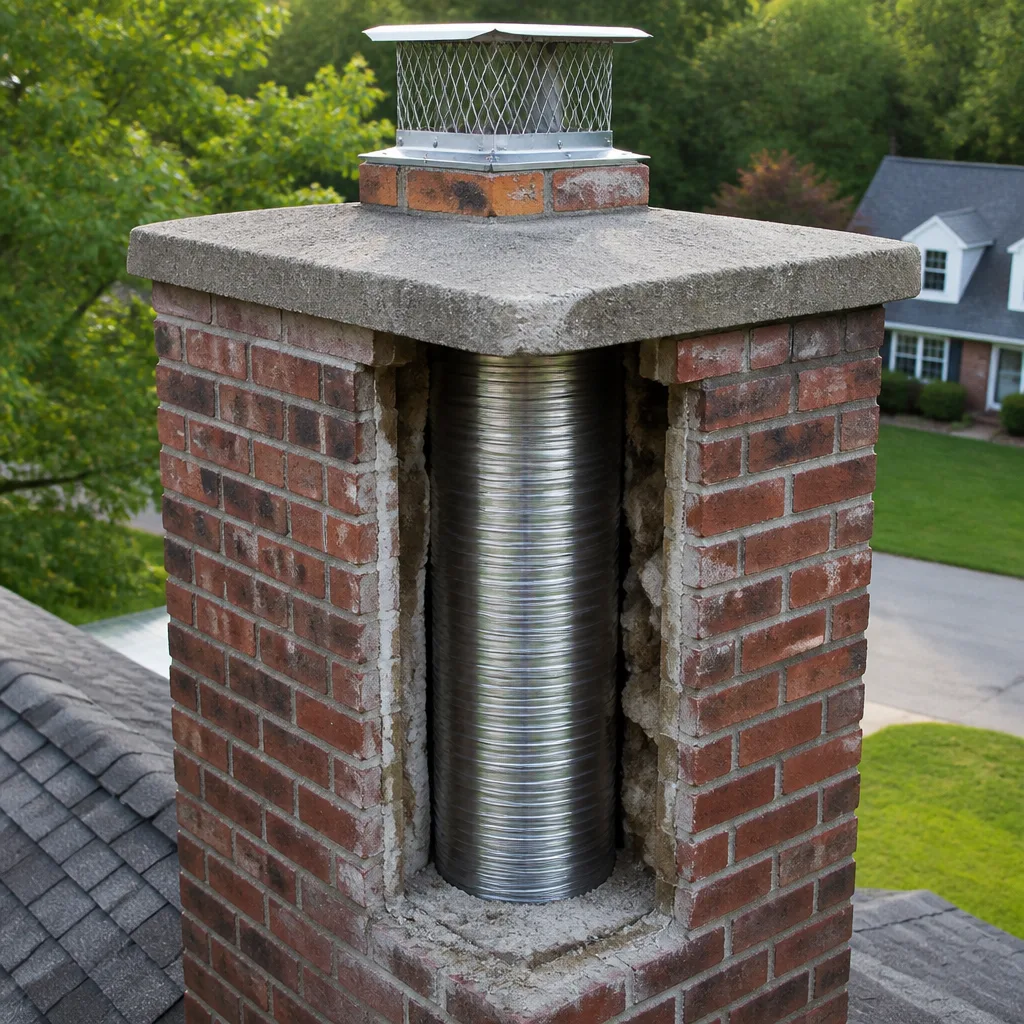
A brush also cannot address structural issues. In Northampton, where winter temperatures regularly swing from below freezing at night to above freezing during the day, water gets into hairline cracks in chimney crowns and flue tiles, freezes, expands, and widens those cracks year after year. By the time a homeowner notices crumbling brick or a leak around the fireplace, the damage has been developing for seasons. A brush doesn’t fix that. It doesn’t even find it unless you know what to look for.
Then there’s the stuff a brush simply can’t reach. Smoke shelves in older Northampton chimneys, offsets in the flue path where the chimney jogs to accommodate a second floor, connection points on an insert or stove pipe. These are the places creosote accumulates fastest because they’re the places where smoke slows down and cools, and creosote condenses out of cooling smoke. A homeowner running a brush up and down the main flue run misses these entirely. We’ve pulled black, tarry handfuls of creosote out of smoke shelves where the homeowner told us they’d just cleaned the chimney themselves two weeks earlier. They weren’t wrong. They had cleaned the flue. They’d missed everything else.
The Equipment You Actually Need (It’s Not Just a Brush)
The $80 brush kit at the hardware store gets you the brush, the rods, and maybe a plastic tarp. Here’s what a careful job actually takes, priced the way a Northampton homeowner will find it at the local hardware store or online supplier.
- Chimney brush kit with rods ($60 to $120): Get a brush sized to your flue, not a universal fit. Measure the flue or check your prior inspection report. A 6-inch brush in an 8-inch flue does very little. A proper fit costs about the same and matters more.
- HEPA vacuum ($150 to $400): A standard shop vacuum blows fine creosote dust right back into your living room. HEPA filtration captures particles under 0.3 microns, which is where creosote dust lives. You’ll want a dedicated vacuum for this job because creosote dust ruins regular vacuums fast.
- Drop cloths or plastic sheeting ($15 to $30): Enough to cover the floor from the fireplace to the door in every direction. Creosote dust travels. It settles on bookshelves, couches, and curtains.
- Inspection light ($30 to $80): A bright flashlight or headlamp you can hold or wear while working. You need to see the flue walls before, during, and after brushing.
- Ladder rated for your roof height ($150 to $350 if you don’t already own one): Northampton homes range from single-story ranchers to three-story Victorians. A 28-foot extension ladder gets you onto most single-story roofs safely. The moment your roof pitch exceeds what you can comfortably stand on, the cost of this job changes.
- Dust mask or respirator ($10 to $40): Creosote is a respiratory irritant. Anyone who tells you a bandana is fine has never swept a chimney. An N95 mask at minimum, a half-face respirator with P100 filters if you’re doing this more than once.
- Safety glasses ($10 to $25): Falling creosote flakes and fiberglass rod splinters don’t belong in your eyes.
That’s roughly $425 to over $1,000 for the full setup if you’re starting from scratch. A professional chimney cleaning and sweep in Northampton typically costs between $180 and $350 for a standard single-flue, single-story home, and that includes the inspection, the brushing, the vacuuming, the disposal, and the written report. The first DIY job almost never saves you money. The third one might. The question is whether you’ll use the equipment three times, whether you’ll store it correctly between uses, and whether you’ll do a good enough job that the savings aren’t eaten later by a chimney fire or a liner replacement you could have caught early.
When DIY Is Reasonable: Four Specific Northampton Scenarios
We are not going to tell you to never touch your own chimney. That would be dishonest, and Wendell has been straight with homeowners since 1999: there are real situations where a careful person with the right equipment does a reasonable job. Here’s when.
1. You had a professional inspection last season and got a clean bill of health with a Stage 1 classification.
If we inspected your chimney in March and found light, powdery creosote that we swept, and you’ve burned 20 fires since then with seasoned wood, the odds are high that what’s in your flue now is the same light stuff. A homeowner who knows their chimney was clean and knows what they’ve burned is in the best position to do a mid-season brushing themselves. The key is the documented starting point. Guessing from scratch is how people get hurt.
2. You use the fireplace occasionally, not as primary heat.
A fireplace that sees a fire on Christmas morning and maybe a dozen weekend fires through the winter accumulates far less creosote than a wood stove run 24/7 from October through April. Occasional burners in single-story ranchers around Northampton’s older neighborhoods are the most common DIY candidates we see who do it right. The workload is simply smaller, and the accessibility is easier.
3. Your roof is a single story with a gentle pitch and safe access.
This matters more than most people think. The difference between a 4/12 pitch and a 8/12 pitch is the difference between walking comfortably and clinging. Add damp shingles, fallen leaves, or an early frost, and the roof becomes the most dangerous part of the whole job. If you can stand comfortably, work with both hands, and get down safely, you’re in the zone where chimney work is a manageable Saturday project.
4. You’re the kind of person who reads the full instructions on a new tool before using it.
This isn’t a joke. The people who do this job well are methodical. They lay out the drop cloths before anything else. They check the ladder’s footing twice. They work slowly and inspect what the brush pulls down. The people who do it badly are rushing, skipping steps, and guessing. If you’re honest with yourself about which one you are, you already know whether this job is for you.
When DIY Is a Bad Idea: The Situations That Cost You More
There are situations where the $250 you save on a professional sweep becomes the $4,000 you spend on a liner repair or the deductible you pay after a chimney fire. Here’s when DIY is the expensive option.
Stage 2 or 3 creosote. If a prior inspection found glazed or tar-like creosote, or if you’ve never had an inspection and your fireplace has seen years of regular use, do not start with a brush kit. The brush will not remove what’s there, and you’ll have spent a day laboring for nothing while the real hazard stays in place. Third-degree creosote is a glaze. Catch it early, or pay for professional removal. This is the single most common false start we see in Northampton.
Any history of chimney fire. A chimney fire, even a small one that burned itself out, changes the flue. It can crack tiles, warp metal liners, and damage mortar joints, and that damage is hidden behind creosote until it’s cleaned and inspected. If your chimney has ever had a fire, the next cleaning needs to be a professional evaluation, full stop. The consequences of missing fire damage aren’t worth the brush kit savings.
Unusual flue configurations or liner uncertainty. Older Northampton homes have chimneys with offsets, multiple fireplaces on a shared flue, or liners of unknown age and material. Some have no liner at all, just brick, which is a different cleaning and safety problem entirely. If you don’t know what your flue looks like inside, you don’t know what kind of brush to use, what’s safe to brush, or whether brushing is even the right approach. In these cases, the first step is an inspection with a camera, and that’s not available on a hardware store shelf.
Steep roofs, second-story chimneys, or any access you can’t do safely.
The most expensive part of any chimney job is the hospital bill or the funeral. We don’t say that to be dramatic. We say it because Wendell has been doing this since 1999 and has watched too many homeowners climb ladders with a brush in one hand and a false sense of confidence. If you need a harness, you need a professional. If you’re older, less steady, or just don’t like heights, that’s not a character flaw. It’s a reason to call someone whose job it is to be up there.
What You Lose by Skipping the Professional
The brush is only part of what a chimney repair professional in Northampton provides. When you sweep your own chimney, here’s what you don’t get.
A documented inspection record. A licensed sweep gives you a written report of what they found, what they did, and what they recommend. That record matters. If you ever sell your home, a buyer may ask when the chimney was last inspected. If you ever file an insurance claim related to the fireplace, the insurance company will ask the same question. “I cleaned it myself last fall” is not documentation. A dated, signed inspection report is.
A licensed sign-off. In many cases, insurance companies want proof that a chimney was professionally inspected and cleaned, especially after a claim or an inspection requirement. The certified sweep’s name, license number, and written report are what satisfies that requirement. A DIY job, regardless of how carefully done, doesn’t.
A camera inspection of the full flue. This is the big one. Wander into any discussion of fireplace services in Northampton and you’ll hear the same truth: the camera sees what a brush cannot. It documents flue tile cracks, deteriorating mortar, hidden blockages, and liner failures. We find problems with the camera every single week that would have gone undetected by a visual top-and-bottom look. The brush cleans. The camera diagnoses. A homeowner with a brush has one of those tools. A professional has both.
The knowledge of what’s normal for Northampton chimneys. Our service area sees specific patterns: freeze-thaw damage on crowns and caps, creosote patterns from hardwoods cut in local woodlots, deterioration in brick chimneys built in the 1950s through 1970s. Wendell has been looking at these chimneys since 1999, and there’s a difference between knowing what a flue looks like and knowing what a Northampton flue looks like this year. That pattern recognition catches problems early. It’s not something a brush kit provides.
Step-by-Step: How a Careful Homeowner Does It
If you’ve read this far and you’ve decided you’re in the reasonable-DIY category, here’s how the job is done by someone who does it correctly. This is a general outline, not a substitute for your equipment’s instructions.
- Verify what you’re dealing with first. If you don’t have a prior inspection showing Stage 1 creosote only, get an inspection before you brush. Guessing at this step is how DIY goes wrong.
- Check the weather and roof conditions. Dry shingles, calm wind, good light. No morning dew, no frost, no rain in the forecast. In Northampton, spring and early fall give you the best windows.
- Lay down the drop cloths inside. From the fireplace opening to the nearest exit door, cover everything. Tape the seams. Creosote dust is fine, black, and invasive.
- Close off the firebox opening. Use plastic sheeting and painter’s tape to seal the fireplace after you’ve laid the cloths. Cut a small access slit for the vacuum hose.
- Set the ladder properly. Footing on level ground, extension above the roofline, tied off if possible, and someone else home who knows you’re on the roof.
- Remove the chimney cap or spark arrestor if your chimney has one, and set it safely aside. Note: this is also your chance to inspect it for rust, damage, or blockage.
- Run the brush down from the top. Work in sections, adding rods as you go. Don’t force anything. If you hit resistance, stop and reassess. Brushes that get stuck become a much bigger problem than dirty flues.
- Brush thoroughly but gently. Push down, pull up, a few passes in each section. You’re removing Stage 1 powder, not scrubbing the walls bare.
- Inspect with the light as you work. Look for anything that isn’t smooth, powdery buildup: dark shiny patches, visible cracks, missing mortar, obstruction.
- Vacuum from below during and after the job. Run the HEPA vacuum at the firebox while brushing, and do a final pass after the brush is out. Then a slow, careful final vacuum of the firebox and smoke shelf.
- Replace the cap and secure the ladder. Put the cap back the way you found it, check it’s seated, then clean up your roof work.
- Do a final visual check. Shine the light up from below and down from above. You should see clean, smooth tile or liner with no tar-like shine. If you see anything that looks glazed, scaly, or cracked, stop and call a Top Hat Chimney home pro before you burn again.
Common Mistakes to Avoid
- Skipping the inspection because “it’s probably fine.” This is the mistake that turns an $80 brush job into a $4,000 liner job or a fire. In Northampton, the freeze-thaw cycles mean hidden damage is more common than people think, and you won’t see it from the roof with a flashlight.
- Using a brush that doesn’t fit the flue. Undersized brushes leave creosote on the walls and give false confidence. Oversized brushes get stuck. Measure first.
- Vacuuming with a standard shop vac. Fine creosote passes right through standard filters and settles on every surface in the room. A few days later, you’ll smell it. Weeks later, you’ll still be wiping it off the bookshelf.
- Not sealing the fireplace opening. Every sweep learns this: the dust escapes through any gap. Seal the firebox with tape and plastic before you start, or your living room becomes the collection point for everything you knocked down.
- Brushing a flue with glazed creosote and calling it done. Stage 2 and Stage 3 creosote will not come off with a standard brush. Homeowners do the work, see no difference, and assume the chimney is clean when it isn’t. That’s the dangerous part.
- Working on the roof alone. Falls from ladders and roofs are the leading cause of serious injury in this kind of work. Have someone home, tell them what you’re doing, and have a phone in your pocket.
- Ignoring what the brush pulls down. The debris tells you something. Heavy black flakes, hard shiny chunks, anything that isn’t fine powder is a signal that you’re dealing with more than Stage 1, and that’s your sign to call a professional.
When to Call a Professional
Call a professional when you have glazed or tar-like creosote, any chimney fire history, an unknown liner condition, difficult roof access, or simply a schedule that makes a half-day roof job unrealistic. Call a professional when you need documentation for insurance or a home sale. Call a professional when you’d rather spend a Saturday doing something else and know the job got done right, with a camera inspection and a written report. Top Hat Chimney offers free estimates in Northampton. Call (484) 859-1367 and Wendell or a member of his crew will give you an honest assessment before any work begins.
Frequently Asked Questions
A standard chimney cleaning and sweep in Northampton typically runs between $180 and $350 for a single-flue, single-story home with a standard accessible roof. For a detailed chimney cleaning cost breakdown, see our Northampton homeowner’s reference. Multi-story homes, steep pitches, and heavy creosote buildup push that higher. The price you’re quoted on the phone is the price on the invoice, and Top Hat Chimney offers no-trip-charge service inside the county, a free second opinion on any written estimate, $40 off any repair over $200, and a standing 10% discount for seniors and veterans. Call (484) 859-1367 for an exact quote.
Once a year, burn or no burn. Chimneys break in the off-season too, and the annual sweep is as much about inspection as cleaning. See our seasonal chimney cleaning care for Northampton for year-round guidance. Even if you only burn a few fires each winter, moisture, animals, and freeze-thaw cycles do their work year-round in Northampton’s climate. The National Fire Protection Association recommends annual inspection regardless of use, and that recommendation holds here.
Not always, and you should never pay for a liner recommendation without seeing the camera evidence yourself. A reputable Northampton sweep will show you the footage and explain what it means in plain English before any repair is proposed. If there’s any doubt, get a second opinion; Top Hat Chimney offers free second opinions on any written estimate in writing, and we’ll tell you plainly when work can safely wait.
Creosote builds up, airflow decreases, and the risk of chimney fire rises. A chimney fire can crack liners, damage the structure, and spread to the house. Carbon monoxide risk also rises as ventilation worsens. The annual cleaning costs less than nearly any repair, and it’s the single most effective preventive step a homeowner can take. If you’ve skipped a few years, schedule a sweep before you burn again.
That depends more on your roof than your chimney. On a single-story home with a gentle pitch, good ladder footing, and a confirmed Stage 1 creosote classification from a prior professional inspection, a careful first-timer can do a reasonable job with the right equipment. On a steep roof, a second-story chimney, or with any uncertainty about the flue, hire it out. Roof falls are the most common injury in this work, and no amount of hardware store confidence changes physics.
Yes. Every job gets the camera footage and a plain-English verdict, every time, no exceptions. The report covers what we found, what we did, and what we recommend. It’s dated, signed, and yours to keep for insurance or resale documentation. Call (484) 859-1367 to book your annual sweep and inspection.
The Bottom Line
The brush kit costs $80. The thing that costs you is not knowing what you’re looking at when you get up there. A careful Northampton homeowner with a clean prior inspection, occasional fireplace use, and a single-story accessible roof can do a reasonable DIY brushing every few seasons. Everyone else is better served by a licensed professional who brings the camera, the HEPA vacuum, and 29 years of pattern recognition from chimneys across this area. The annual sweep is cheaper than the repair, cheaper than the fire, and cheaper than wondering. Browse our more guides & resources for additional homeowner tips. Call (484) 859-1367 and talk to Wendell. He’ll tell you straight whether your chimney needs him this year or whether you’re one of the reasonable-DIY cases.
Written by Wendell Pike, Owner at Top Hat Chimney, serving Northampton since 1999.