
Last updated September 10, 2026
Level 1 sweep and inspection to the NFPA 211 annual standard - flue, crown, cap, and flashing checked and photographed
Chimney sweep logs do not sweep chimneys. They loosen some creosote - which then falls where a brush and vacuum still have to collect it.
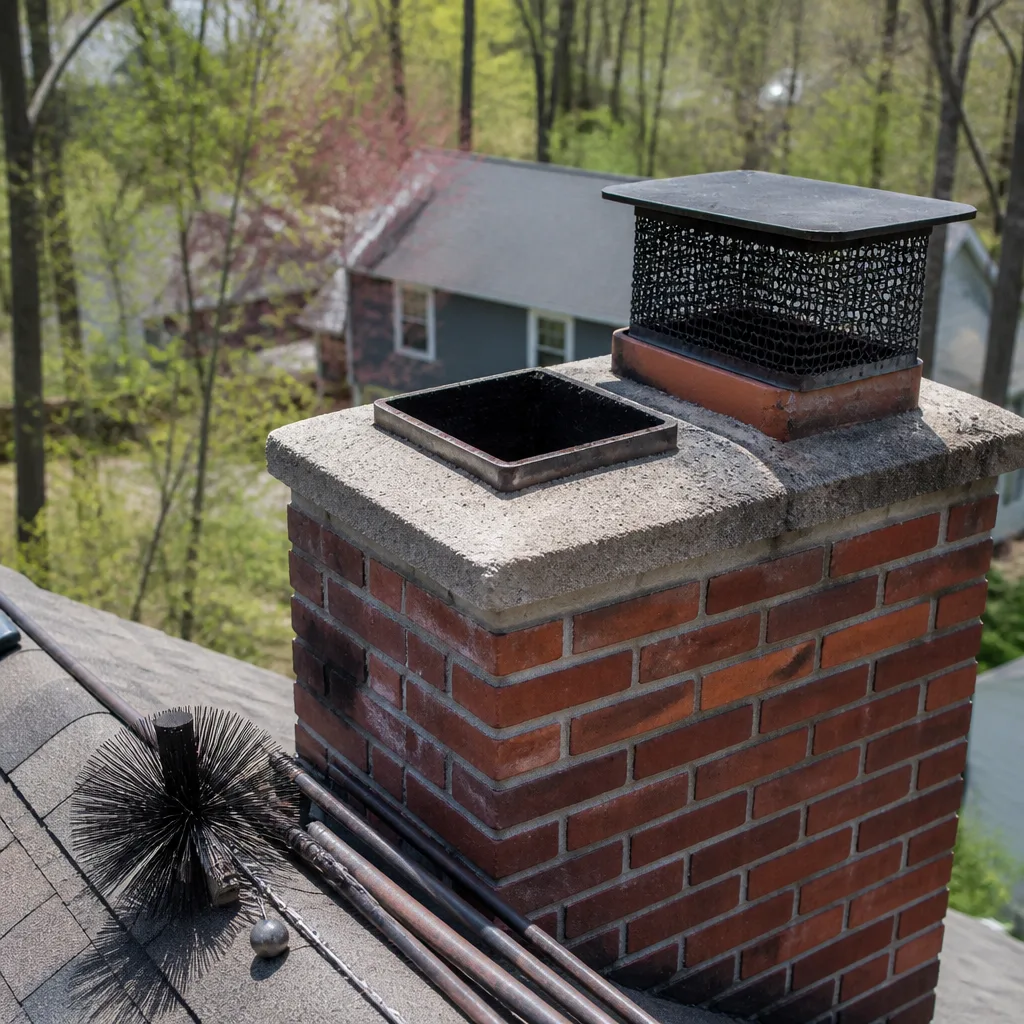
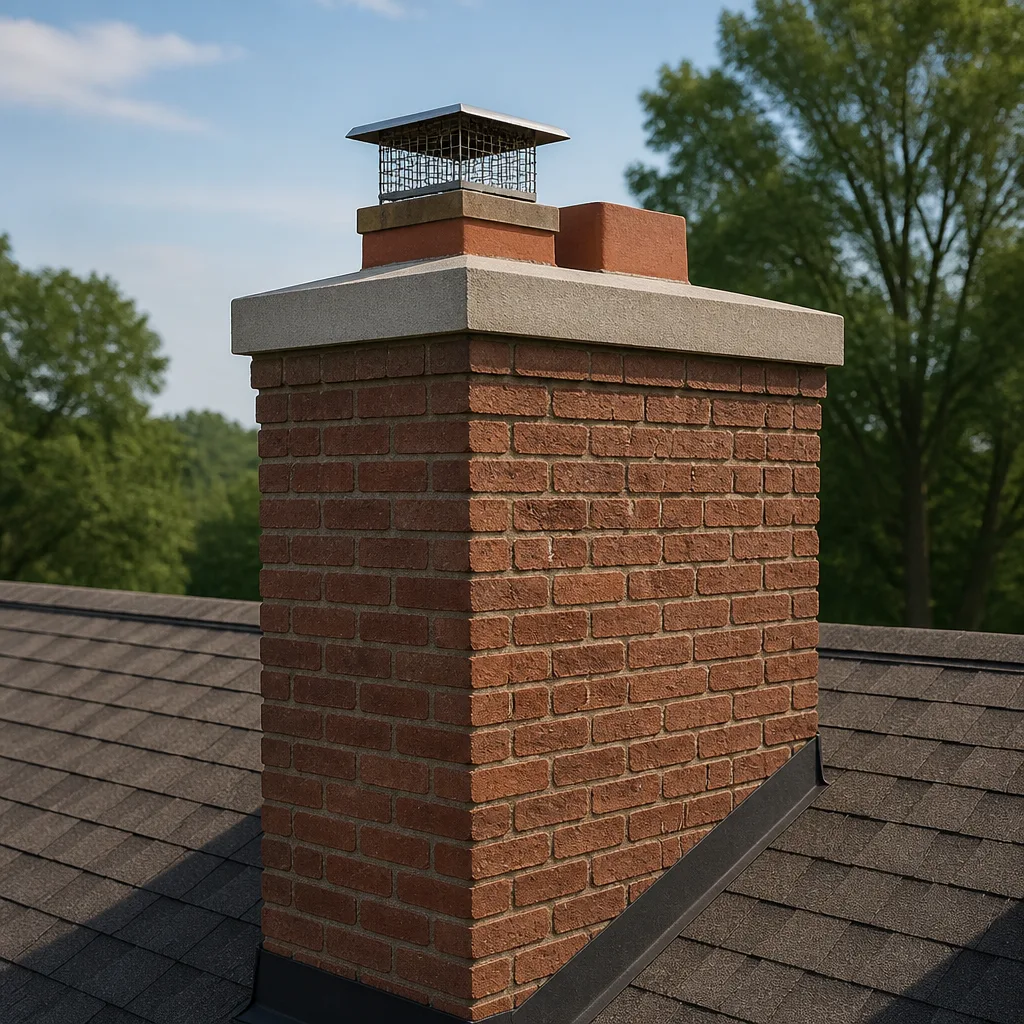
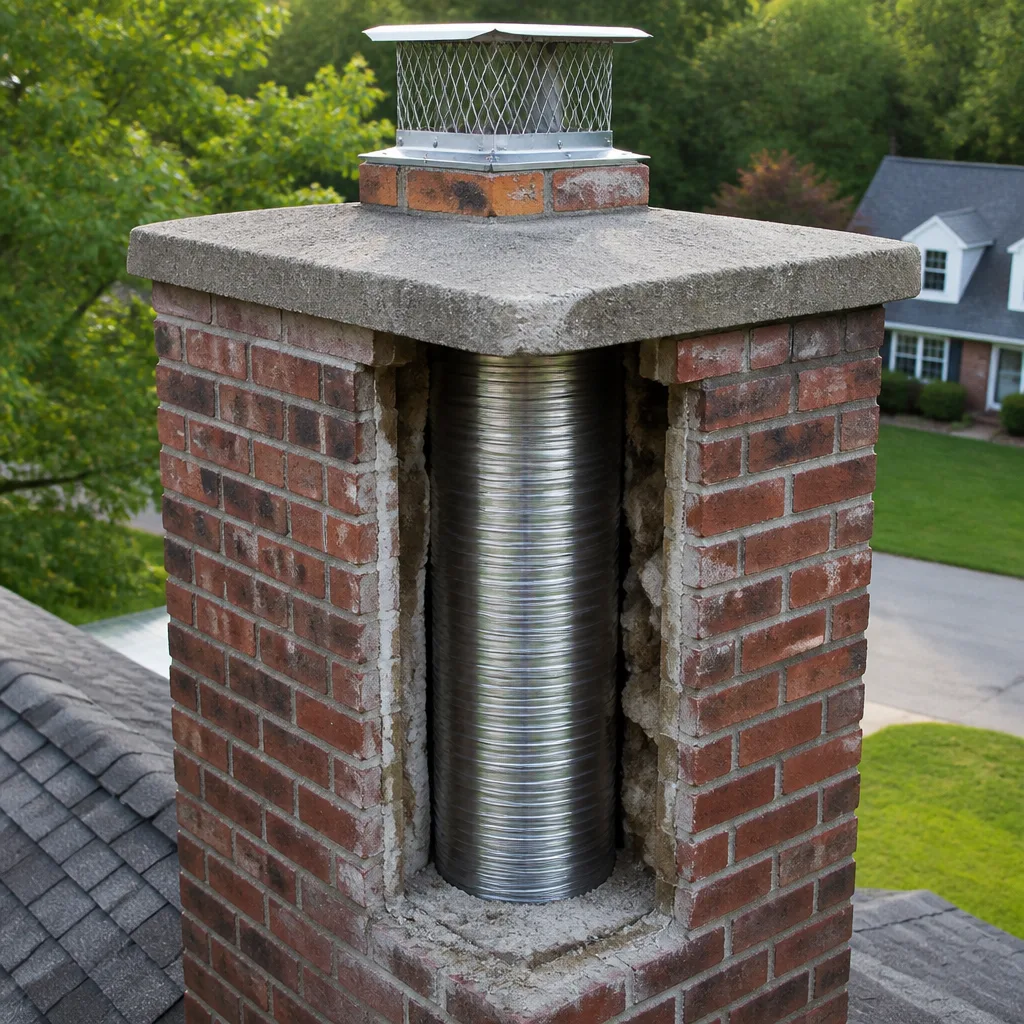
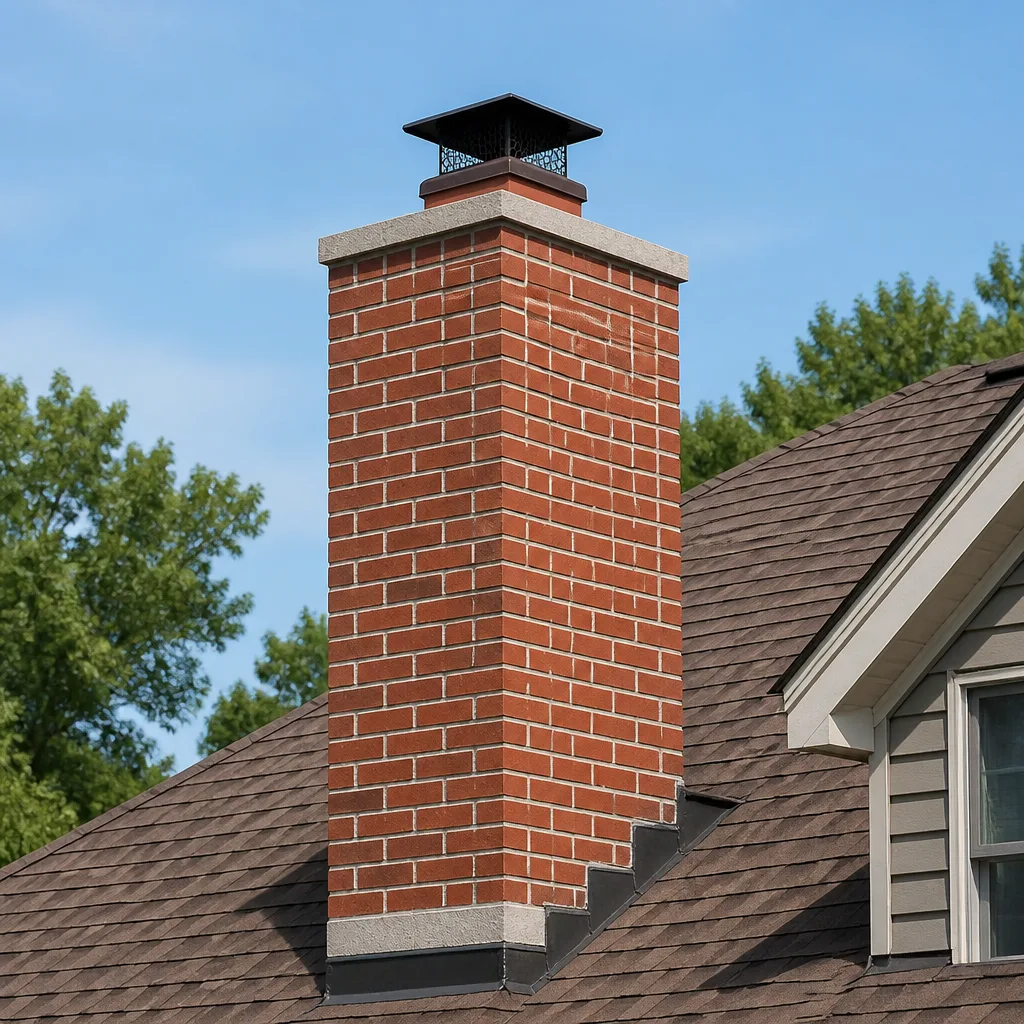
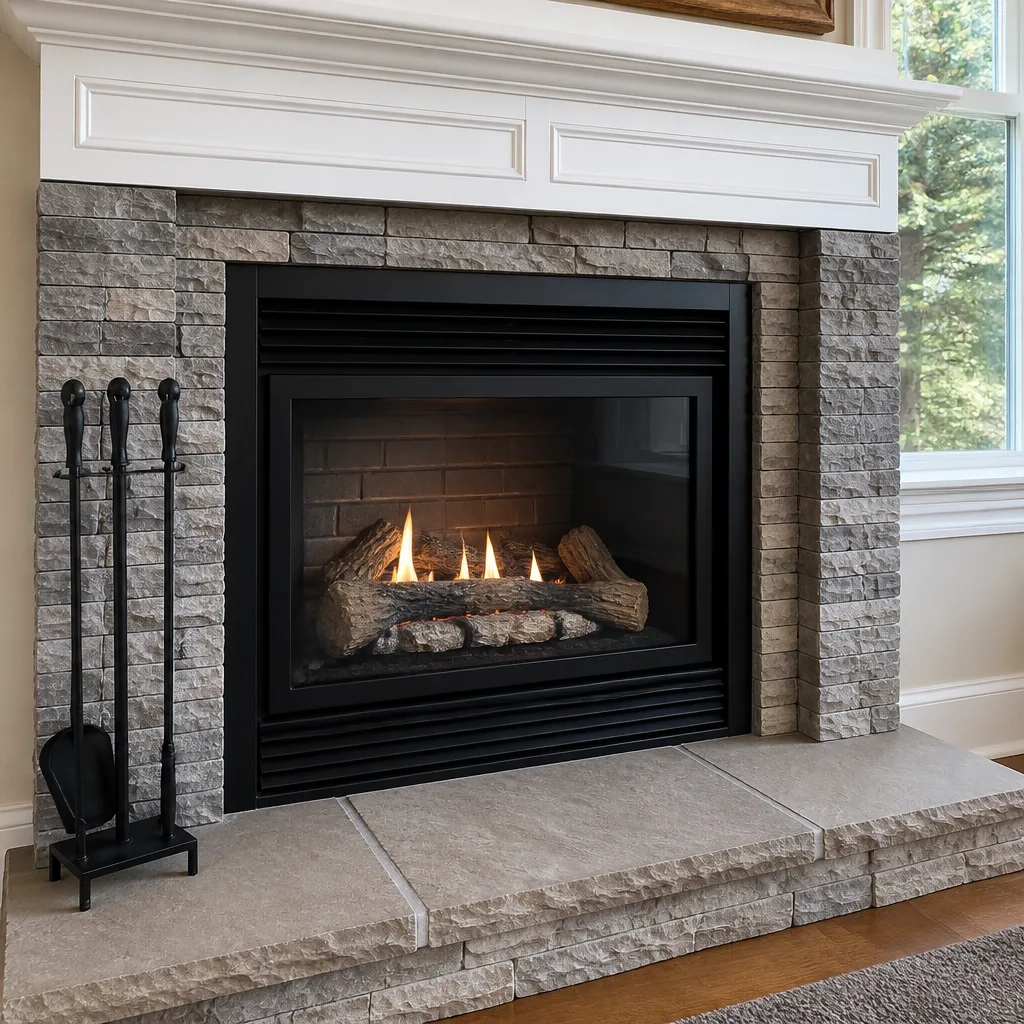
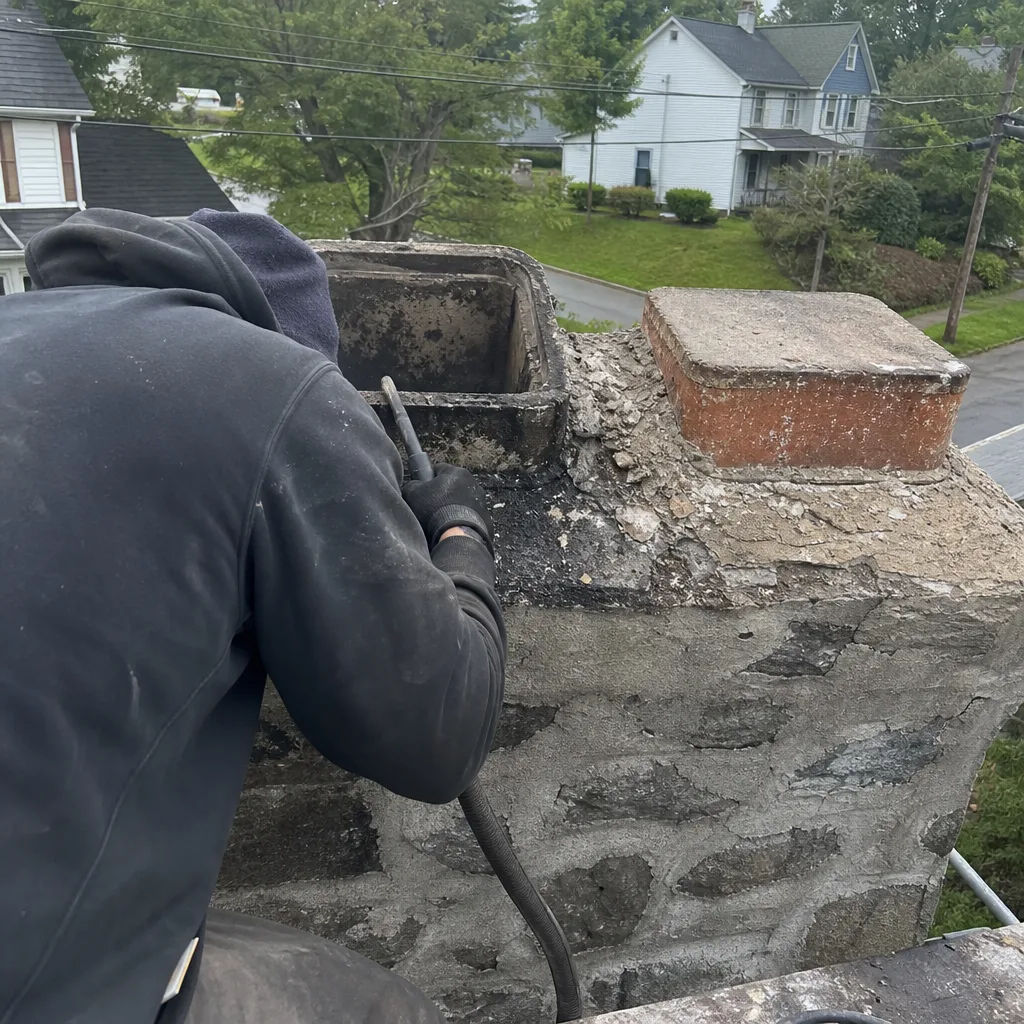 Before
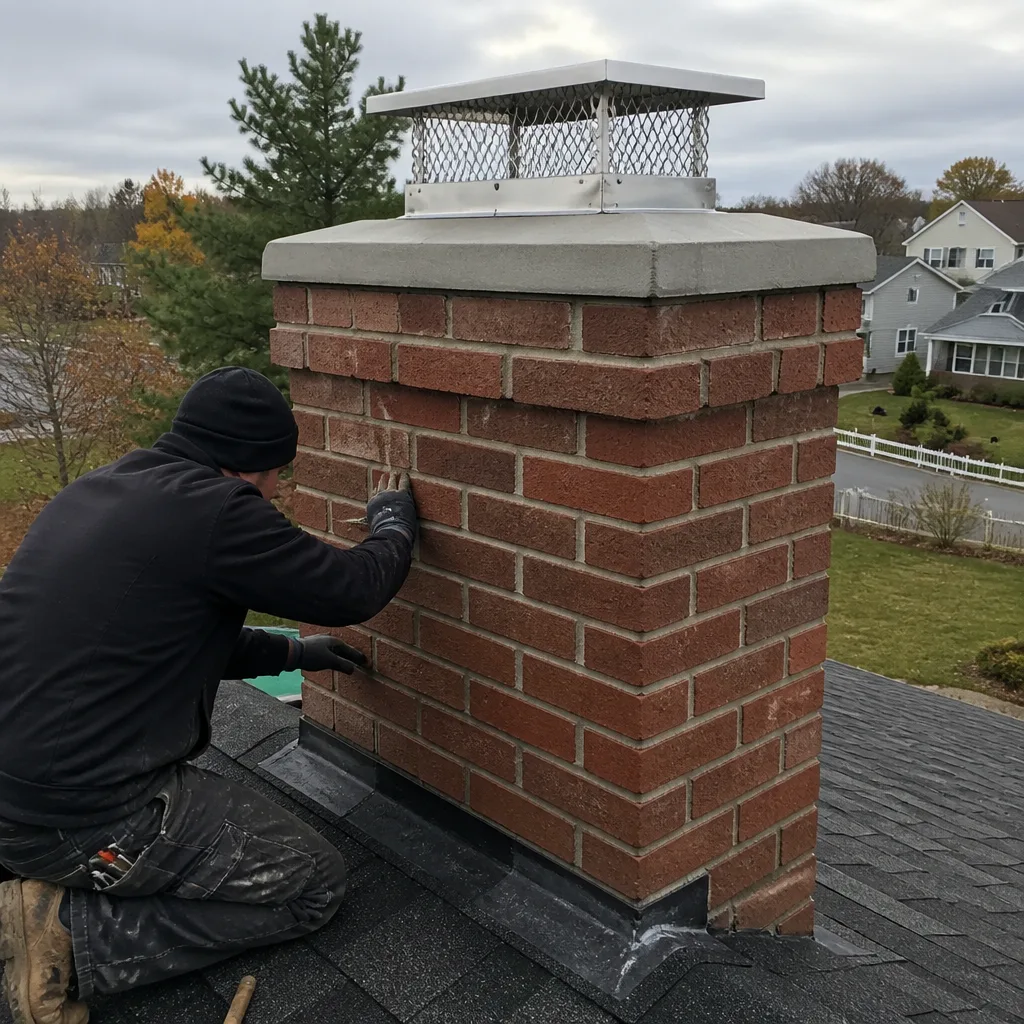 After
After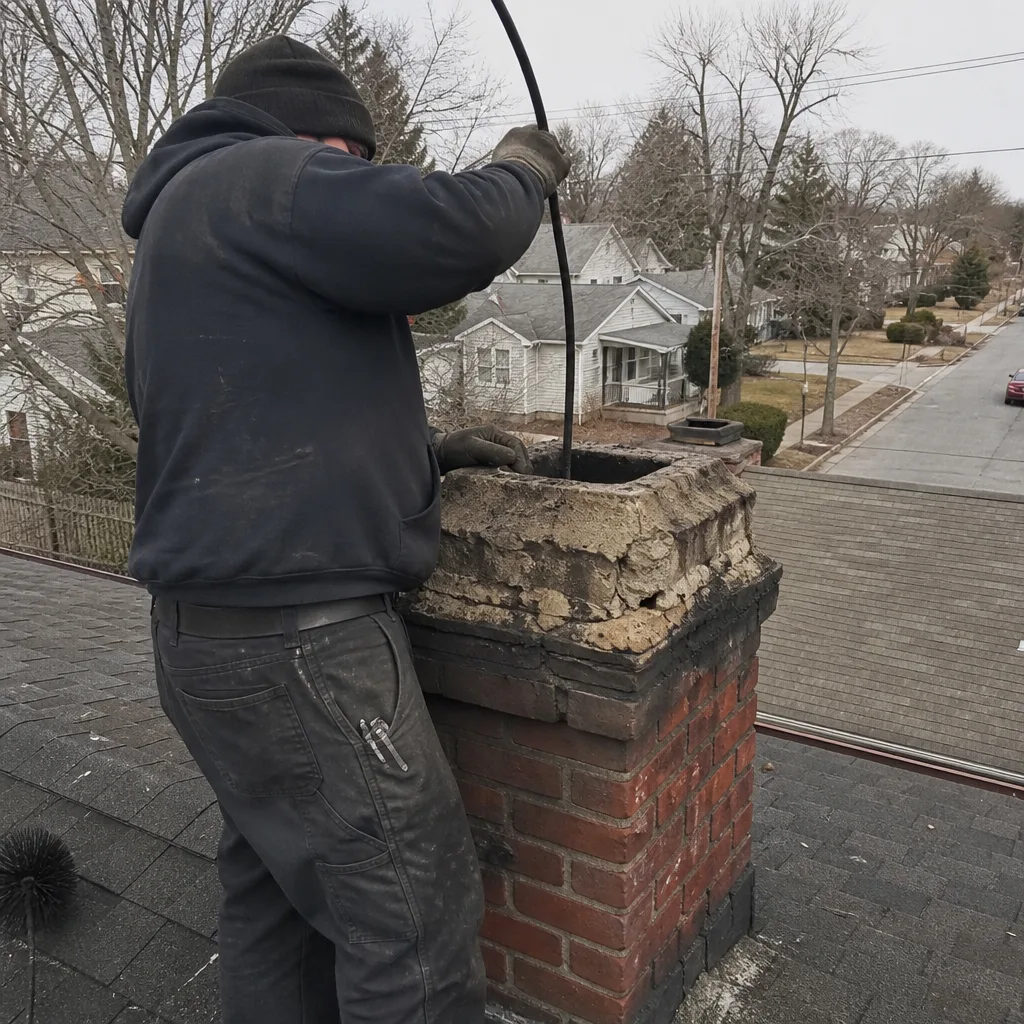 Before
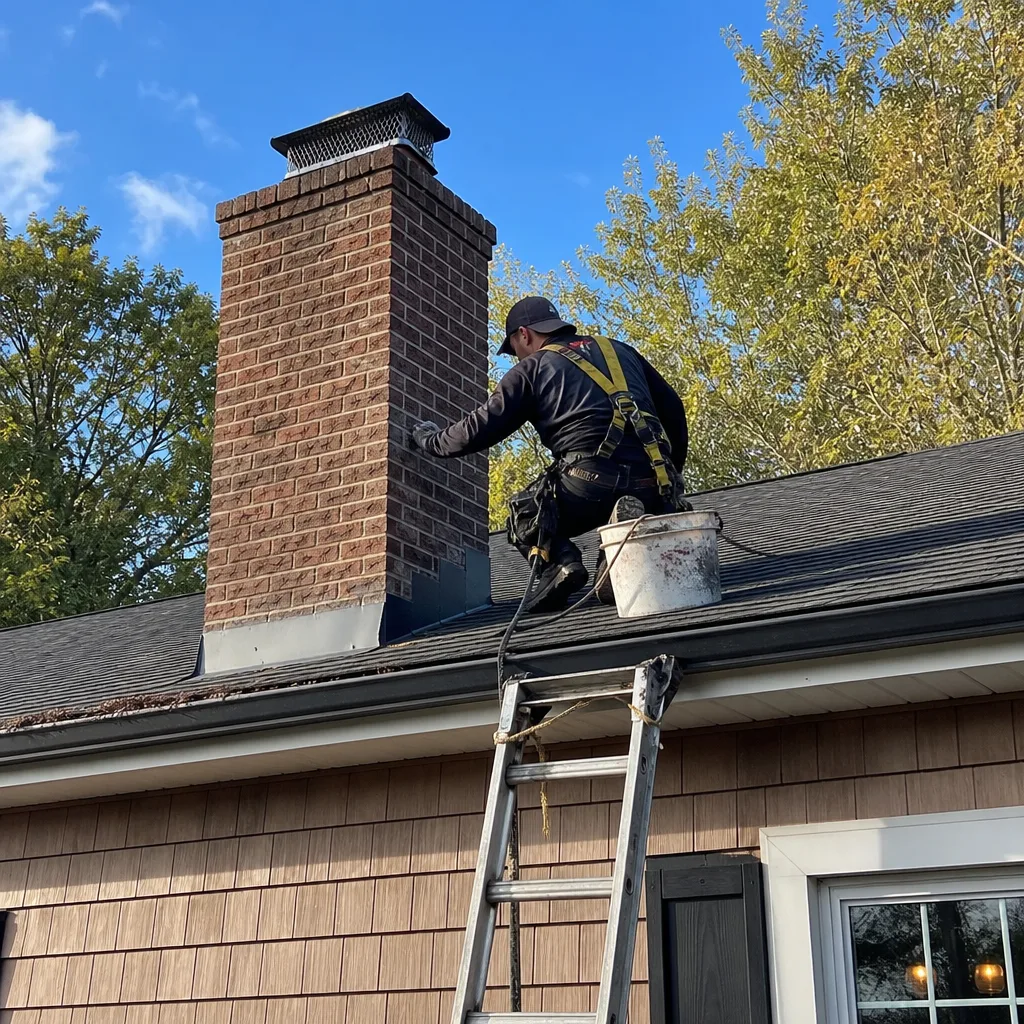 After
After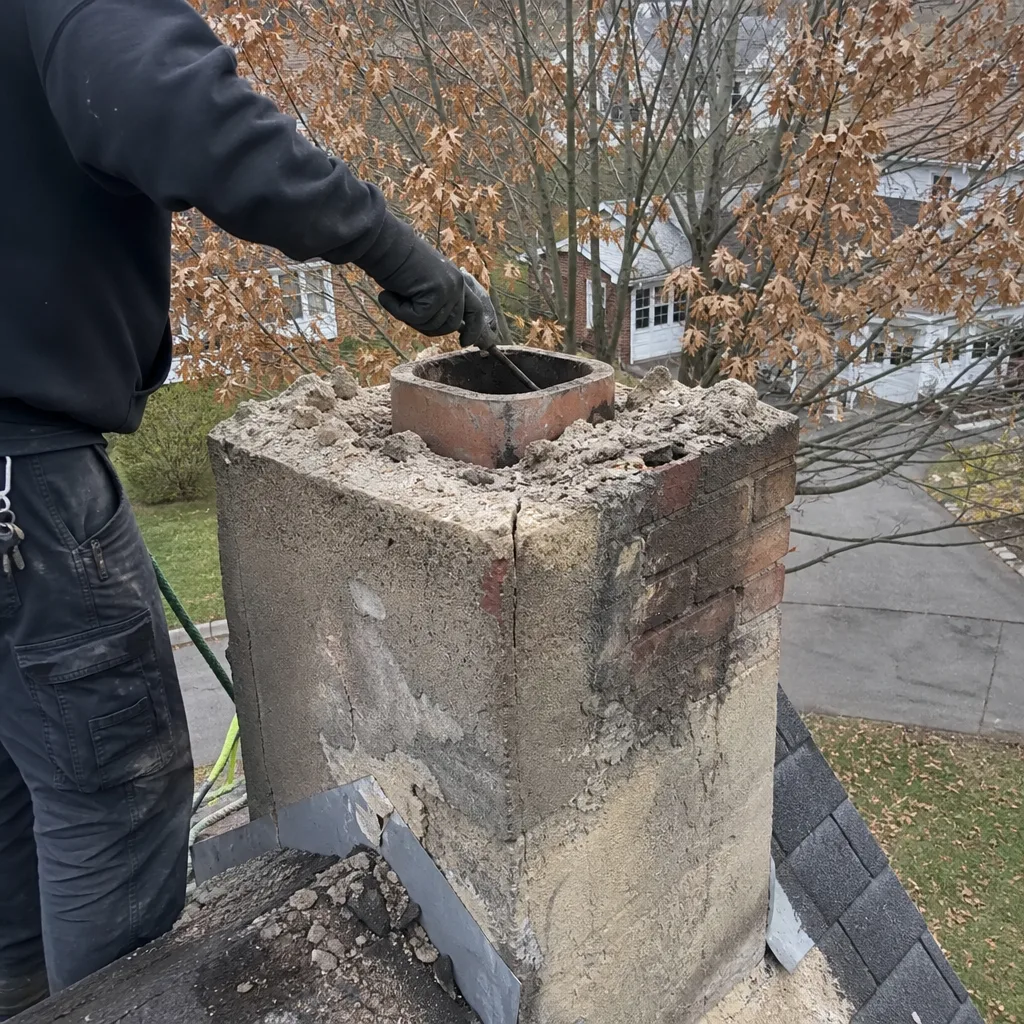 Before
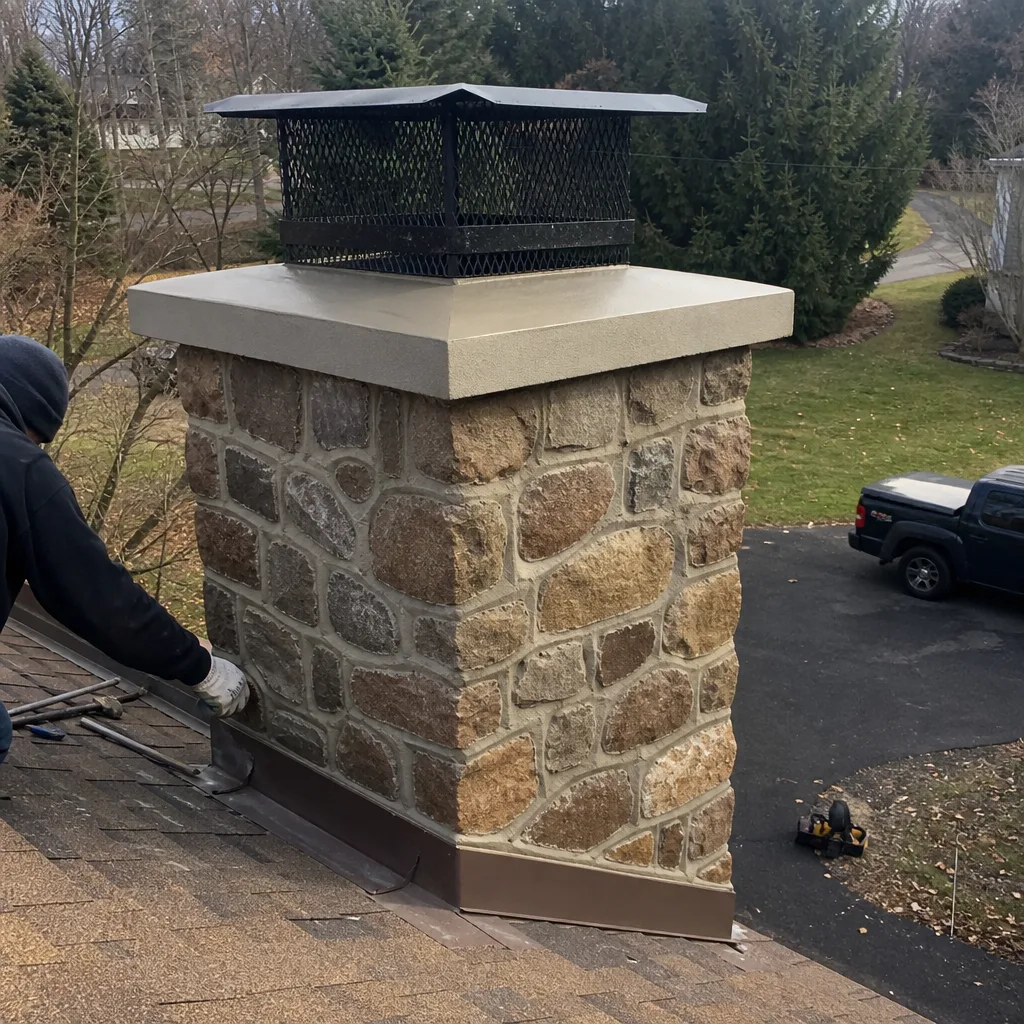 After
AfterHow to Hire a Chimney Cleaning Contractor in Northampton: A Step-by-Step Guide
Pennsylvania lets anyone with a brush and a truck call themselves a chimney sweep. No state license, no required training, no background check, no proof of insurance. You could run a chimney cleaning business out of your garage tomorrow and start booking appointments by noon. That’s not a warning about the industry being dangerous. It’s a fact you need to hold in your head while you screen the people who want to climb onto your roof in Northampton, because a lot of what passes for chimney work around here is really just commission sales with a soot brush attached. This guide walks you through exactly how to separate the sweep who’ll do the job right from the guy who’ll find a reason to quote you $3,000 before he even looks up the flue, and you can explore more guides & resources on our blog when you’re done.
Quick Answer
To hire a chimney cleaning contractor in Northampton, ask for CSIA certification and proof of liability insurance before scheduling, demand a written quote that itemizes the sweep and inspection separately from any repair recommendations, verify the contractor’s local address and license number instead of trusting a polished website, and get the scope of work in writing with a flat price before any tool comes off the truck. A legitimate sweep will answer every one of those requests without hesitation, and the ones who won’t are the ones you don’t want on your roof.
Table of Contents
- Why Pennsylvania Doesn’t License Chimney Sweeps (And What That Means For You)
- Credentials That Actually Matter: CSIA, Insurance, and License Numbers
- The Phone Screen: Seven Questions to Ask Before You Book Anyone
- The Written Quote: What It Should Separate and What Vague Pricing Hides
- What a Bait-and-Switch Looks Like in the Chimney Industry
- How to Compare Two Quotes When the Scopes Don’t Match
- Red Flags That Say “Lead-Generation Outfit” Not “Local Sweep”
- Common Mistakes to Avoid
- When to Call a Professional
- Frequently Asked Questions
- The Bottom Line
Why Pennsylvania Doesn’t License Chimney Sweeps (And What That Means For You)
Northampton sits in a part of Pennsylvania that has never required a state-issued license for chimney sweeping. Electricians need one. Plumbers need one. The person you pay to remove creosote from the inside of your chimney does not. That means the barrier to entry is a ladder and a phone number. It also means that when you see a website with stock photos of smiling technicians and a list of five-star reviews you can’t verify, you are looking at a marketing operation, not proof of competence. The people who answer those calls may have been hired last month, trained by watching a video, and sent to your house with a script that tells them to find problems. Or they may be excellent at what they do. You have no way to know from the website alone, and that’s the point. In Northampton, where homes range from 1950s ranchers in the borough to newer construction in Allen Township and older farmhouses further out toward Lehigh Township, the flues are different, the creosote conditions are different, and the person on your roof needs to know the difference between a normal seasonal accumulation and a problem that actually needs a repair. We’ve pulled brush heads out of flues in North Catasauqua and Coplay, sweep after sweep, and we can tell you the same thing every experienced local operator will tell you: around here, the credential that matters is the one you can verify before the job starts.
What this means for you as a homeowner is simple. You are the licensing board. You are the one who has to ask the questions, check the references, and confirm the insurance. If that feels like homework you did not sign up for, think of it this way: you will spend maybe fifteen minutes on the phone vetting a sweep, and that fifteen minutes will either protect you from a few thousand dollars of unnecessary repairs or save you from a chimney fire that starts because the last guy half-cleaned your flue and called it done.
Credentials That Actually Matter: CSIA, Insurance, and License Numbers
The Chimney Safety Institute of America (CSIA) is the closest thing this industry has to a national standard. A CSIA-certified sweep has passed a written exam on chimney construction, clearances, draft dynamics, and code compliance, and has to recertify periodically to keep the credential. It is not a guarantee of honesty. No piece of paper is. But it tells you the person on your roof had to study something before they started charging for the work, and in Pennsylvania, that is not something you can take for granted. Ask for a CSIA certification number. A real one is verifiable on the CSIA website with a few keystrokes. A fake one will be mumbled over or forgotten by the time you ask for it a second time.
Insurance matters more than most people think. If a sweep falls off your roof, you want their liability and workers’ compensation policy to handle it, not your homeowner’s policy. Ask for a certificate of insurance and call the number on it if you have any doubt. The carrier will confirm whether the policy is active. It takes three minutes. In our experience, the outfits that balk at producing a certificate are the ones operating without coverage or with a policy that lapsed in the spring. Either way, you don’t want them on your property.
Then there is the contractor’s license number. Pennsylvania does not require a state chimney license, but many legitimate local operators register at the county or municipal level, and some carry a home improvement contractor (HIC) registration through the Pennsylvania Attorney General’s office. If a contractor gives you a license number, you can check it. If they tell you Pennsylvania doesn’t require one and leave it there, that’s true but incomplete. The question is whether they have any registration that ties their business to a real address you can visit on a Tuesday afternoon. Wendell Pike puts his name and license number on every quote. That’s not a requirement of the job. It’s a requirement of being the kind of business that intends to still be in business next year. A sweep who hides behind a website with no fixed address is betting you will never need to find him after the job goes wrong.
The Phone Screen: Seven Questions to Ask Before You Book Anyone
You can learn more in a five-minute phone call than from an hour of reading reviews. The right questions force the person on the other end to answer in ways that reveal whether you are talking to a local operator or a call center that will route your job to whichever subcontractor is closest to Northampton that day. Here is the exact list we recommend, along with what the answers tell you:
- “Who will be doing the work?” A local owner-operator will answer with a name, often his own. “Wendell and his crew run every job” is a real answer. “One of our technicians” is a placeholder, and a lead-generation outfit will say “we have several techs in your area” without being able to tell you who they are.
- “Is your company based in the Lehigh Valley, and can I have your street address?” If they hesitate, or if the address they give traces to a P.O. box or a UPS store, that’s your answer. The sweep who shows up at your door should be someone whose business location you could drive past.
- “Are you CSIA certified, and can you give me the certification number?” Write it down. Check it. A real sweep will have it memorized or on the card he carries in his wallet.
- “Do you carry liability insurance, and can you send me a certificate?” Again, push for the actual document. If the answer is “yes we’re insured” and that’s the end of the sentence, ask again. An outfit that can’t produce a certificate of insurance is not insured in a way you can rely on.
- “What’s included in your cleaning price?” This is where you find out whether the price quoted is a real price or the first leg of a bait-and-switch. A legitimate sweep will tell you the sweep includes the flue, the smoke chamber, and the fireplace or stove, plus a basic inspection. A come-on price will include “the flue only” with an additional charge for the smoke chamber, the firebox, the damper, and every other surface he has to touch.
- “What happens if you find something that needs repair?” The answer should be: you get photographs, you get an honest explanation of whether the repair is urgent or can wait, and you get a written quote. The wrong answer is: “We’ll take care of it while we’re there.” No. You want a sweep who shows you the problem, not one who fixes it before you’ve had a chance to think.
- “Can you send me the quote in writing before you start?” This is the one that separates real contractors from door-to-door salesmen. A real sweep writes the quote. The other guy wants to tell you verbally and start working before you have time to say no.
Ask those seven questions and you will know within five minutes whether the company on the other end of the line operates the way you want it to. Not every brief answer is a red flag, but every red flag is visible through those answers.
The Written Quote: What It Should Separate and What Vague Pricing Hides
A written quote that says “Chimney Cleaning: $X” tells you nothing. You need a quote that separates the cleaning from the inspection from every single recommendation, because that separation is what allows you to compare prices across companies and to decline add-ons without declining the service you actually called for. The quote should list the sweep itself as one line item, the video inspection as another, and any repair recommendation as its own section with its own price. At Top Hat Chimney home, we write the quote before we do anything, and the number on the quote is the number on the invoice. That’s not a marketing slogan. It’s how we’ve worked since 1999, because it’s the only way a homeowner can make a decision with a clear head.
What vague phone quotes usually lead to is a door price that’s two or three times the phone price once the sweep “discovers” that your flue needs a liner or your crown needs rebuilding. The pattern is predictable because it’s profitable. Advertise a $99 cleaning, get the truck to the house, then find a problem that requires a $2,400 repair. The cleaning was never the product. The cleaning was the foot in the door. Ask any sweep who’s been in this business for a decade, and he’ll tell you the same thing: the cheap cleaning prices in this industry are often paid for by the repair sales that follow. That doesn’t mean every expensive recommendation is a scam. Chimneys in Northampton genuinely do need liners and crowns and caps replaced. But you should make that decision with a camera image on the screen in front of you, not on the word of a stranger standing in your living room with a tablet.
A good written quote also respects your time. It should arrive before the work starts, not after, and it should include the scope in plain language. “Sweep flue, remove creosote, inspect firebox and smoke chamber, video scan, report” is a scope. “Complete cleaning and safety inspection” is not. You’re hiring a tradesperson, not buying a feeling. Get the details in writing.
What a Bait-and-Switch Looks Like in the Chimney Industry
Bait-and-switch is the quiet engine of the chimney industry’s darker corners, and it works so well because the customer is standing there while the problem is “discovered,” far from the top of the flue where the evidence supposedly lives. Here’s the script, and if you’ve ever had a bad experience with a chimney company, you will recognize it:
The ad promises a chimney sweep for $79 or $119 or “any sweep, $49 with coupon.” The customer books. The sweep arrives, sets up, and within twenty minutes comes down from the roof or pulls his head out of the firebox with a phone full of photographs. “You have third-degree creosote,” he says. “The flue needs to be glazed not brushed. That’s a $400 add-on.” Then, while he’s at it: “Your crown is cracked,” “Your damper’s warped,” “You really ought to have a liner.” Before the customer has processed any of it, the $79 cleaning is now a $3,100 “fire safety package,” and the sweep can get it done today, right now, before the next appointment. The pressure is intentional. An honest sweep does not use your living room as a sales floor.
The way to defend yourself is to strip the surprise out of the transaction before the truck ever pulls up. Get the full price in writing. Set the expectation, in the same written agreement, that any additional work requires a separate written quote and your approval before a single extra step is taken. If a sweep won’t agree to that, cancel the appointment. And be especially suspicious of any price that is dramatically lower than the local going rate. A real chimney cleaning in Northampton takes time, soot is not paid by the pound, and the people doing the work have to drive to your house, set up, work, clean up, and get to the next roof. There’s a floor under which the numbers stop making sense, and when the advertised price is below that floor, the money is coming from somewhere else. It’s coming from the repair you didn’t ask for.
How to Compare Two Quotes When the Scopes Don’t Match
You call three companies. One quotes $195 for a “sweep and inspection.” One quotes $289 for “full cleaning, camera-level inspection, and written report.” One quotes $149 for “chimney sweeping.” Now what? The prices aren’t comparable because the scopes aren’t described the same way, and that’s often intentional. Here is a five-step method to get them onto the same page:
- Ask each company the same three questions: Does the sweep include the smoke chamber and firebox, or just the flue? Is a camera inspection included, or is it an extra? Is there a written report afterward, and does it come with photos?
- Request a line-item breakdown. Every quote should be separated into at least three lines: sweep, inspection, and any repairs or add-ons. If a company refuses to break it out, that tells you something. The breakdown is where hidden fees hide, and a company that won’t show you the breakdown doesn’t want you to see what’s underneath.
- Normalize the scope. Once you have the breakdowns, you can compare line to line instead of total to total. The $195 sweep may not include the smoke chamber. The $289 quote may include a video scan and a written report. Now you can ask the $195 company whether the smoke chamber costs extra, and you can ask the $289 company to separate the camera from the cleaning so you can see whether it’s worth it to you.
- Check the warranty and the promise. A quote isn’t only a price. It’s a statement of what happens if the work is wrong. Ask each company what their guarantee is in writing. We give a 90-Day Done Right Promise on every job: if the work isn’t right, one call brings Wendell back. Not every company will put their word in writing. The ones that won’t are telling you something.
- Give the same information to both companies. A quote is only as good as the information it’s based on. If you tell one company you have a two-story brick chimney with a slate roof and another company just “a chimney,” the second quote will be a guess. Describe the same thing to everyone, then compare the responses.
After you run through that process, the right choice usually makes itself. Not because one price is lower, but because one quote is honest and the other is hiding something. In Northampton, where homes from the 60s and 70s now carry decades of fireplace use in their flues, that honesty is often worth more than the money.
Red Flags That Say “Lead-Generation Outfit” Not “Local Sweep”
A lead-generation outfit is a company that does no chimney work itself. It buys ads on Google and social media, answers the phone with a polished script, books the appointment, and then sells that appointment to a local subcontractor who may or may not be insured, may or may not be qualified, and has no relationship with you beyond the one job. You call a number you saw online, and a different company’s truck shows up. Or no truck at all: some of these operations book jobs for contractors who then decline them, and you never see anyone.
Here’s how to spot them before they take your deposit:
- The person on the phone doesn’t know the area. Ask about Northampton or the Lehigh Valley and listen for hesitation. A local operator does not need to look up where Coplay is. A call center in another state will put you on hold to “check the service map.”
- The website has no street address. Scroll to the bottom. If you find only a phone number and a contact form, you are probably looking at a lead-generation shell, not a business with a door you can knock on.
- You never learn the name of the person doing the work. A real chimney sweep has a name and is not shy about giving it to you. Wendell Pike will tell you his name before you ask. A lead-gen outfit will say “one of our certified technicians” and hope you don’t push.
- The price is stated as a range until the tech arrives. “Chimney sweeping from $89 to $500 depending on the condition of the flue.” You see the trick. The range exists to get you to say yes, and then the final number is whatever the tech says it is after he looks at the brick.
- They ask for full payment or a large deposit before the job. A local sweep who plans to do the work has no reason to collect the full amount upfront. A deposit for a custom part is one thing. Payment for labor before labor exists is another.
- The reviews are too good and too vague. Review platforms can be gamed. Look for reviews that mention specific neighborhoods, specific jobs, or the same names over and over. A five-star review that says “Great service, would recommend” is background noise. A review that says “Wendell cleaned the stove flue and showed me the video before he left” is a real customer.
None of this is to say every national or multi-location company is a scam. But the ones that route calls to subcontractors are fundamentally different from the ones that put their own name, their own truck, and their own reputation in front of you. You get to decide which kind of business you want on your roof.
Common Mistakes to Avoid
- Hiring on price alone. The lowest quote in Northampton is sometimes the most expensive one you’ll ever accept, because the revenue shows up later as a repair you didn’t need. Compare scopes before you compare prices.
- Assuming insurance is included because the truck says “insured” on the side. Anyone can put the word on a magnetic sign. Ask for the certificate and verify it. A fall off your roof can cost you more than the sweep ever will.
- Letting the sweep recommend without evidence. Camera technology has made this simple. If a sweep tells you the liner is cracked or the flue is glazed with third-degree creosote, ask to see the image. The camera footage is the only reason to believe a recommendation about the inside of a chimney. No image, no sale.
- Booking without a written scope. If the quote is verbal, the dispute later is your word against his. Get the price, the scope, and the guarantee in writing before the ladder comes off the truck.
- Skipping the inspection because the fire works fine. A chimney that draws well can still be lining the inside of the flue with creosote every time you light it. Once a year, burn or no burn. Chimneys break in the off-season too.
- Trusting a neighborhood app without verifying the business behind it. The platform is not the contractor. Type the company name into the state’s contractor registry or the county’s business records. A business that exists only on an app may exist only until the next refund request.
When to Call a Professional
Any time a chimney or fireplace hasn’t been inspected in more than a year, you should have it swept and looked over. Before the first fire of the burning season is the time, not after the first cold snap when every sweep in the valley is booked out two weeks. You should also call if you notice a smell coming from the fireplace when it isn’t in use, if smoke is drifting into the room instead of up the flue, if you see shiny black buildup on the firebox walls, or if you’ve just bought a house whose chimney history you don’t know. A house in Northampton can have three previous owners and no paperwork for any of them. If you don’t know when the flue was last cleaned, the safe answer is that it wasn’t. Chimney Cleaning & Sweep in Northampton is what we do every day, and we will give you a straight answer whether the flue needs a brush, a repair, or nothing at all. Top Hat Chimney offers free estimates in Northampton, and you can call (484) 859-1367 to book one.
Frequently Asked Questions
In Northampton, a standard chimney sweep typically costs between $150 and $300 depending on the size of the flue, the type of chimney, and whether you have a fireplace or a wood stove, and our Chimney Cleaning Cost Breakdown: The Northampton Homeowner’s Reference for 2026 breaks down exactly where that money goes. That price should cover the flue, the smoke chamber, and a basic visual inspection, but you need to ask what’s included, because not every sweep quotes the same scope. A sweep that costs $89 on the phone often costs $500 by the time the extra charges show up. Call (484) 859-1367 for a straight quote with no surprises.
Maybe, but the way to know is by looking at the camera footage, not by listening to a sales pitch. A cracked or deteriorating liner can be a real fire and carbon monoxide hazard, but plenty of liners are perfectly serviceable and simply need a good cleaning and a cap. If a sweep recommends a liner, ask to see the video of the damage. If there’s no video, there’s no reason to write the check. We install and service liners from Chimney Repair in Northampton with materials from trusted brands like Gelco and Copperfield, and we never recommend one without showing you the images.
Once a year, burn or no burn. Creosote builds up with use, but chimneys also deteriorate from weather, animal intrusion, and slow moisture damage that has nothing to do with whether you light a fire. An annual sweep and inspection catches the problems when they’re cheap to fix and before they become expensive or dangerous.
Creosote accumulates on the flue walls and then hardens into a glaze that’s much harder to remove. That glaze is flammable, and in the right conditions a chimney fire can ignite it and burn hot enough to crack the flue and spread to the house. The longer you skip it, the greater the buildup, the harder the cleaning, and the higher the odds that a small issue becomes a structural one. Once a year is cheap. Rebuilding a fire-damaged chimney is not.
You can buy the brush, but that doesn’t make you a sweep. A proper cleaning includes getting at the smoke chamber, checking the damper, inspecting the crown and cap, and catching cracks or creosote glaze that a brush alone will never reveal. For safety, we recommend hiring a trained professional, especially if you have a steep roof or a multi-story chimney. The risk of a fall off a ladder isn’t worth the money you’d save, and you still won’t get the inspection that actually keeps your family safe.
A cleaning removes the creosote and soot from the flue and smoke chamber. An inspection evaluates the entire chimney system: the flue, the crown, the cap, the flashing, the firebox, and the clearances. A Level 1 inspection happens during a routine cleaning. A Level 2 goes deeper, typically with a camera, and is appropriate when you’ve changed the appliance, had a chimney fire, or bought the house. In our shop, the camera footage and a plain-English verdict come with every job, no exceptions.
The Bottom Line
Hiring a chimney sweep in Northampton isn’t about finding the lowest price. It’s about finding someone who will show you what’s actually in your flue, write the quote before the work starts, and stand behind the job after the truck leaves. Ask for credentials, verify the insurance, get the scope in writing, and insist on seeing the camera images before you approve any repair. That’s the whole system. Do that and you’ll end up with a sweep who earns what you pay, not one who’s trying to sell you what you don’t need. If you’re in the Northampton area, Fireplace Services in Northampton are a phone call away at (484) 859-1367, and we’d rather talk you out of an unnecessary repair than talk you into one.
Written by Wendell Pike, Owner at Top Hat Chimney, serving Northampton since 1999.