
Last updated September 10, 2026
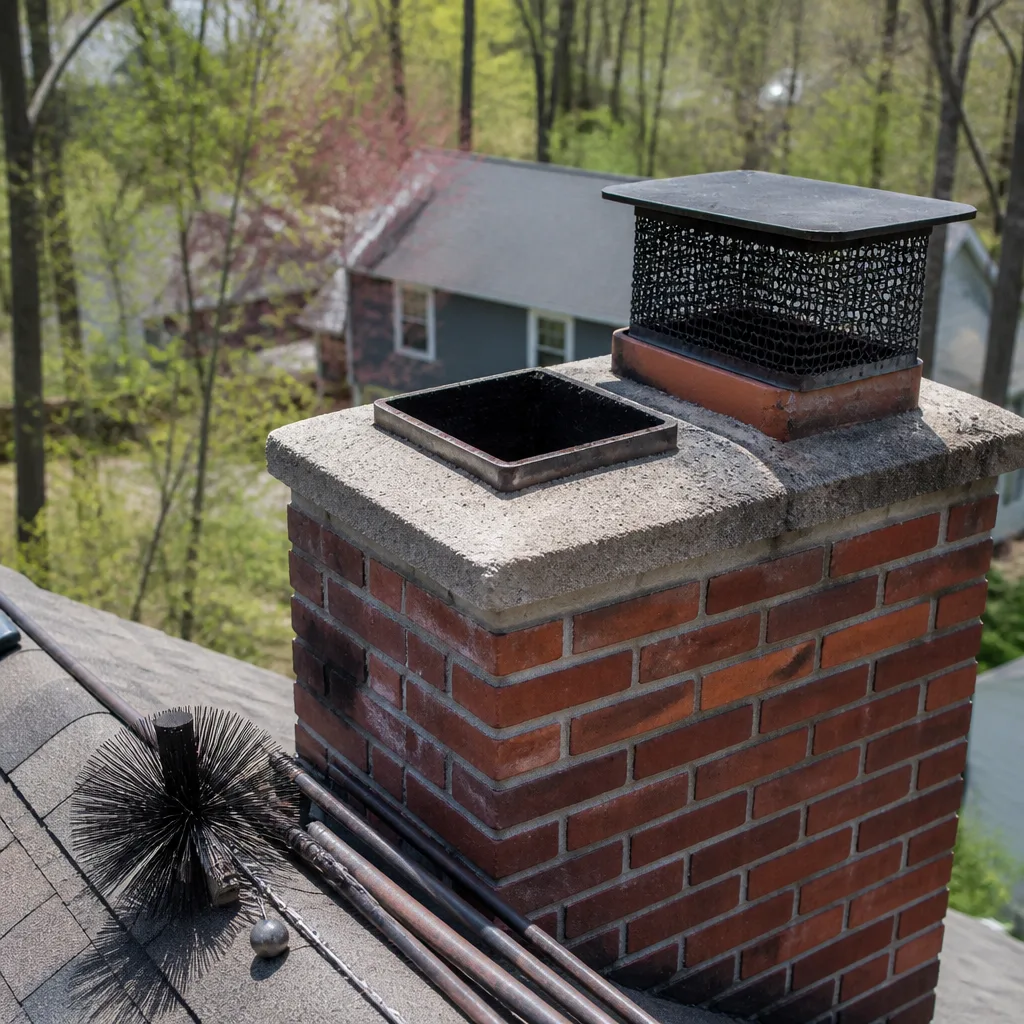
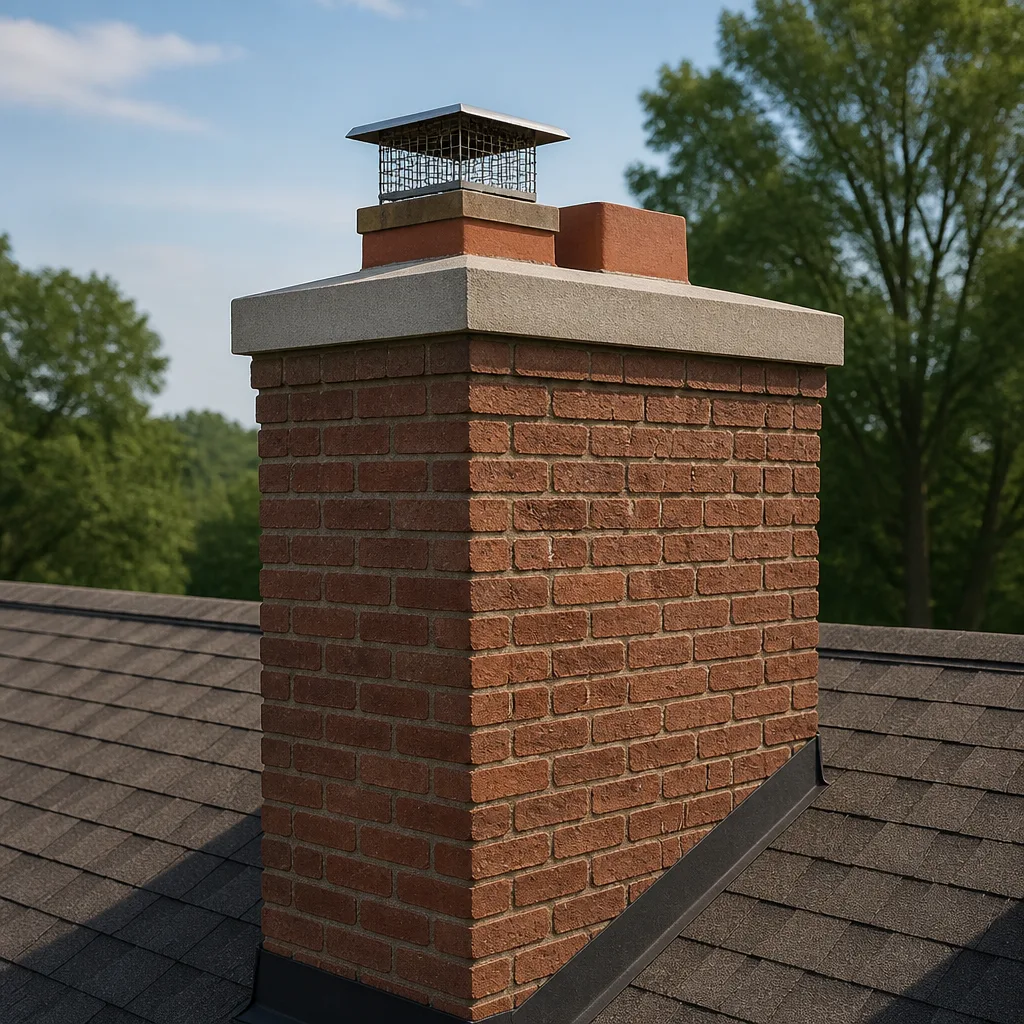
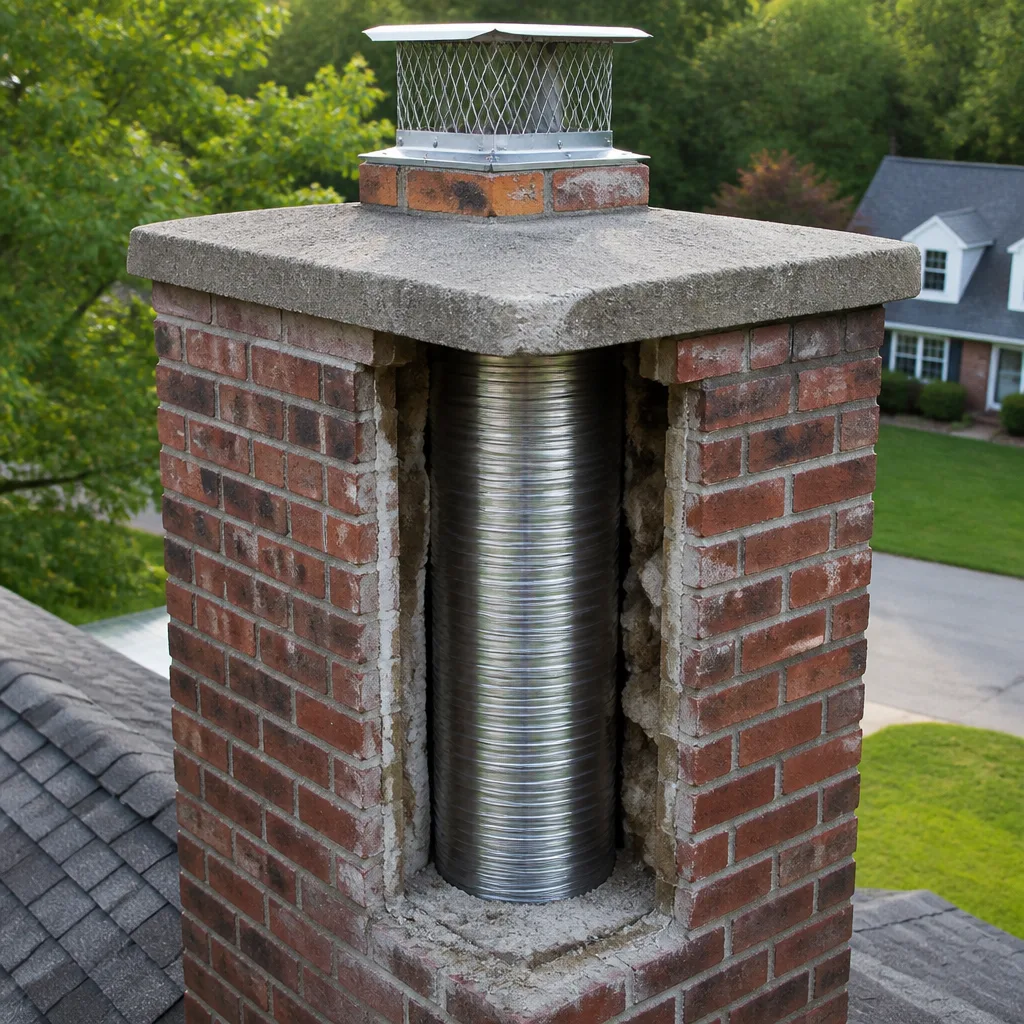
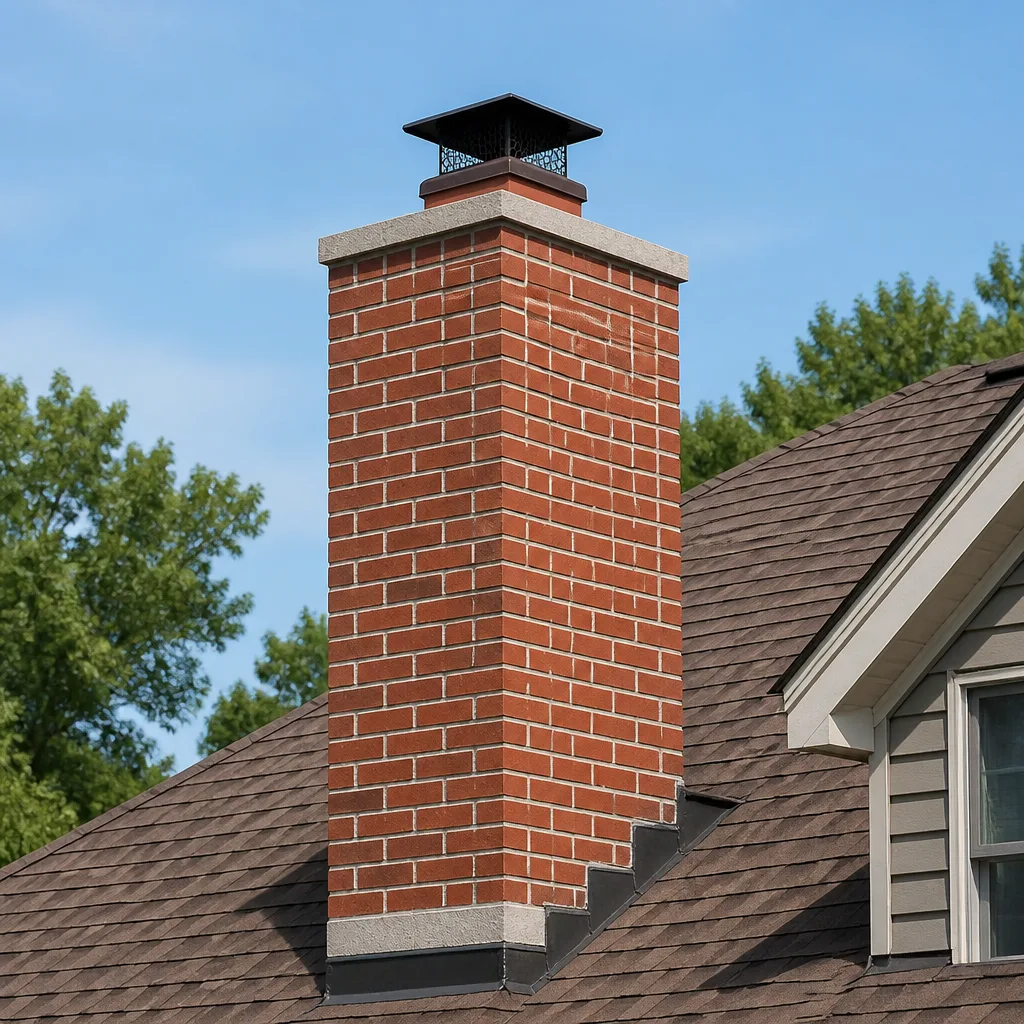
Level 1 sweep and inspection to the NFPA 211 annual standard - flue, crown, cap, and flashing checked and photographed
Chimney sweep logs do not sweep chimneys. They loosen some creosote - which then falls where a brush and vacuum still have to collect it.
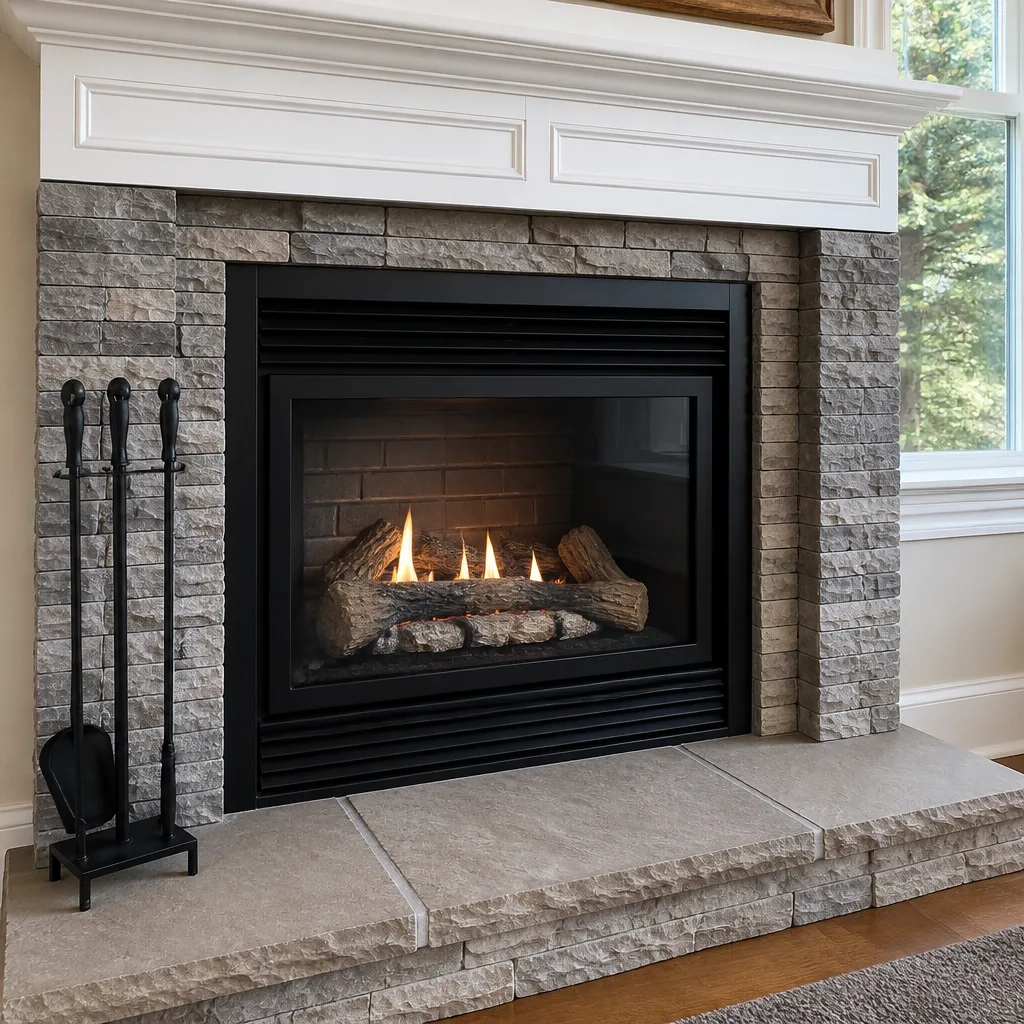
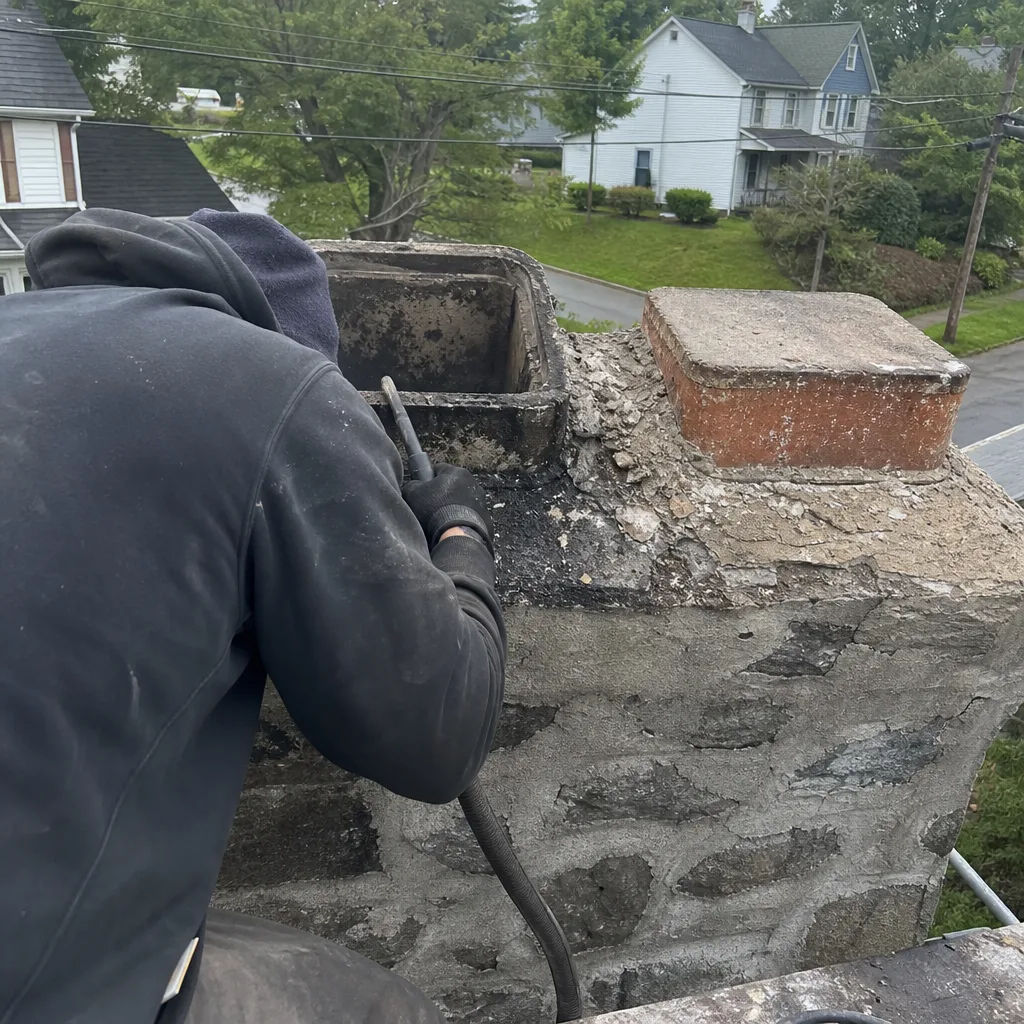 Before
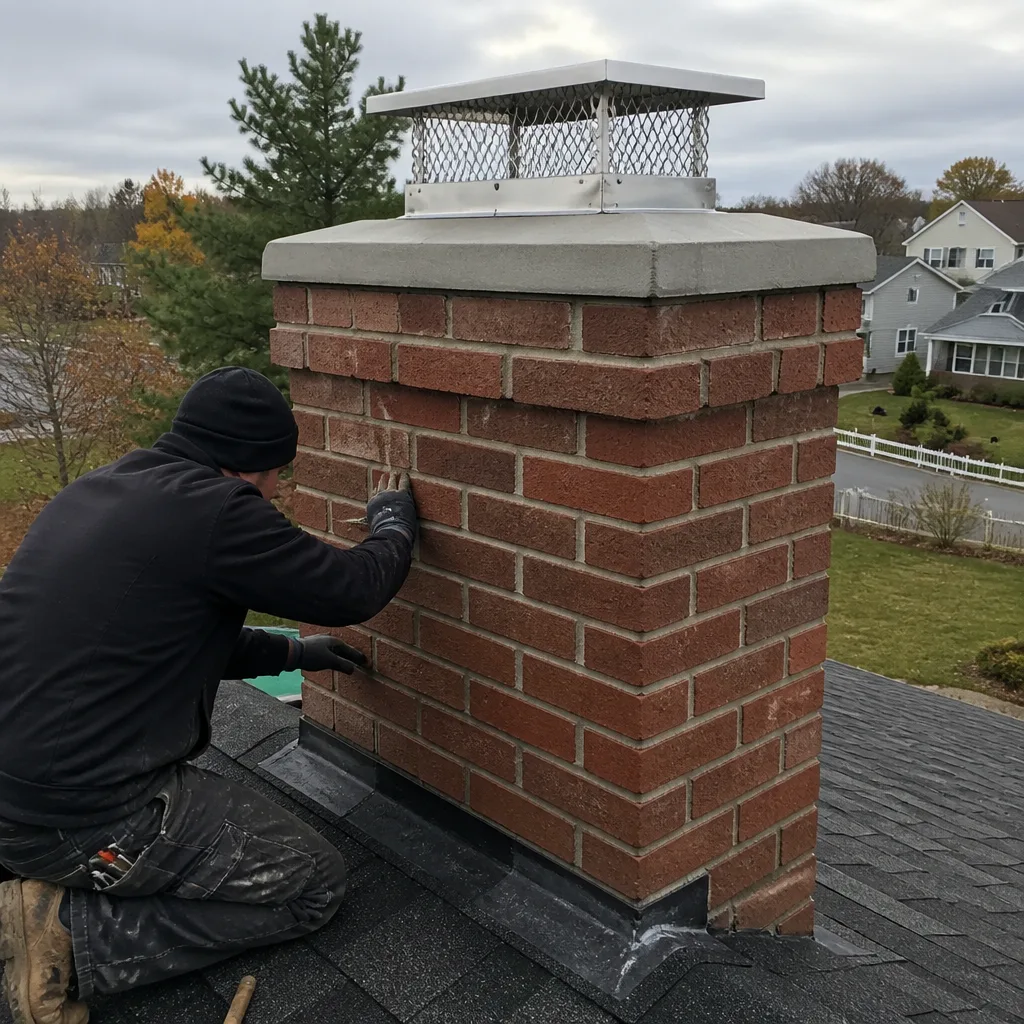 After
After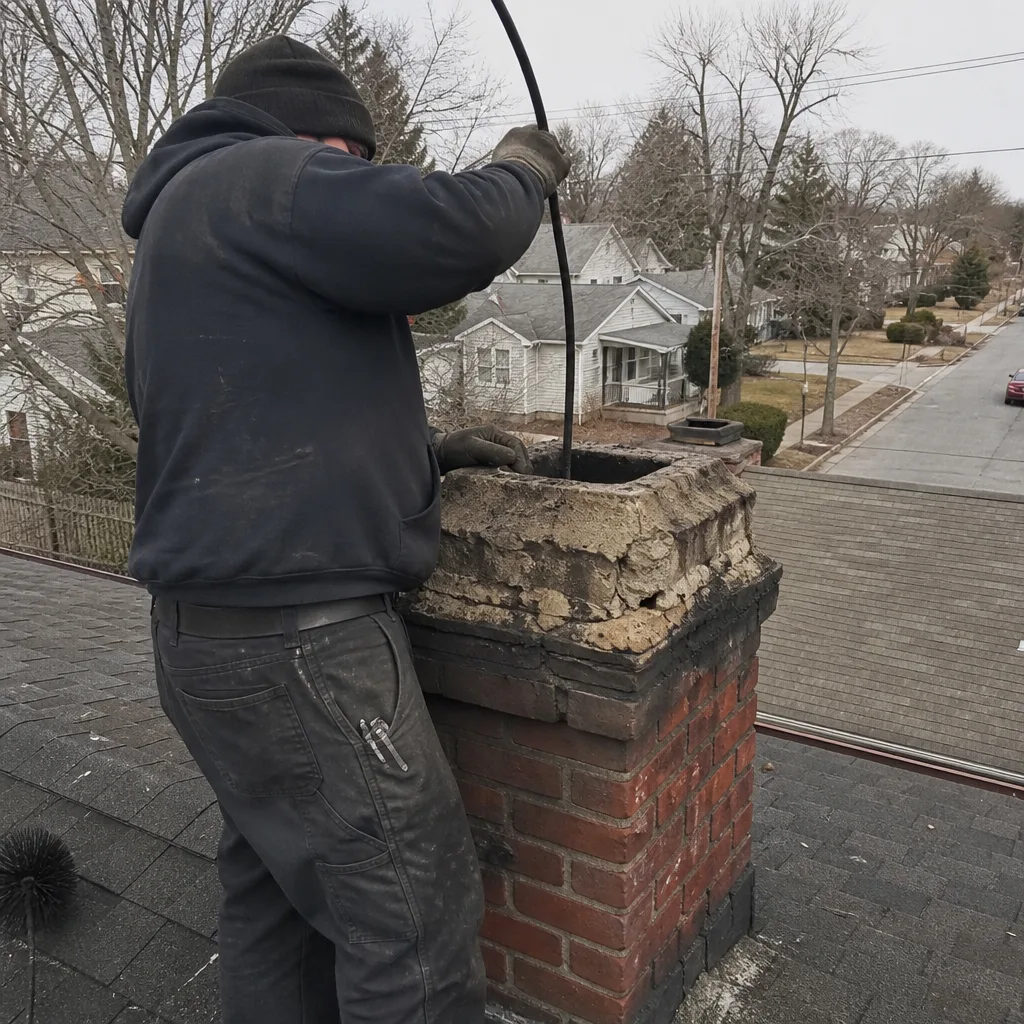 Before
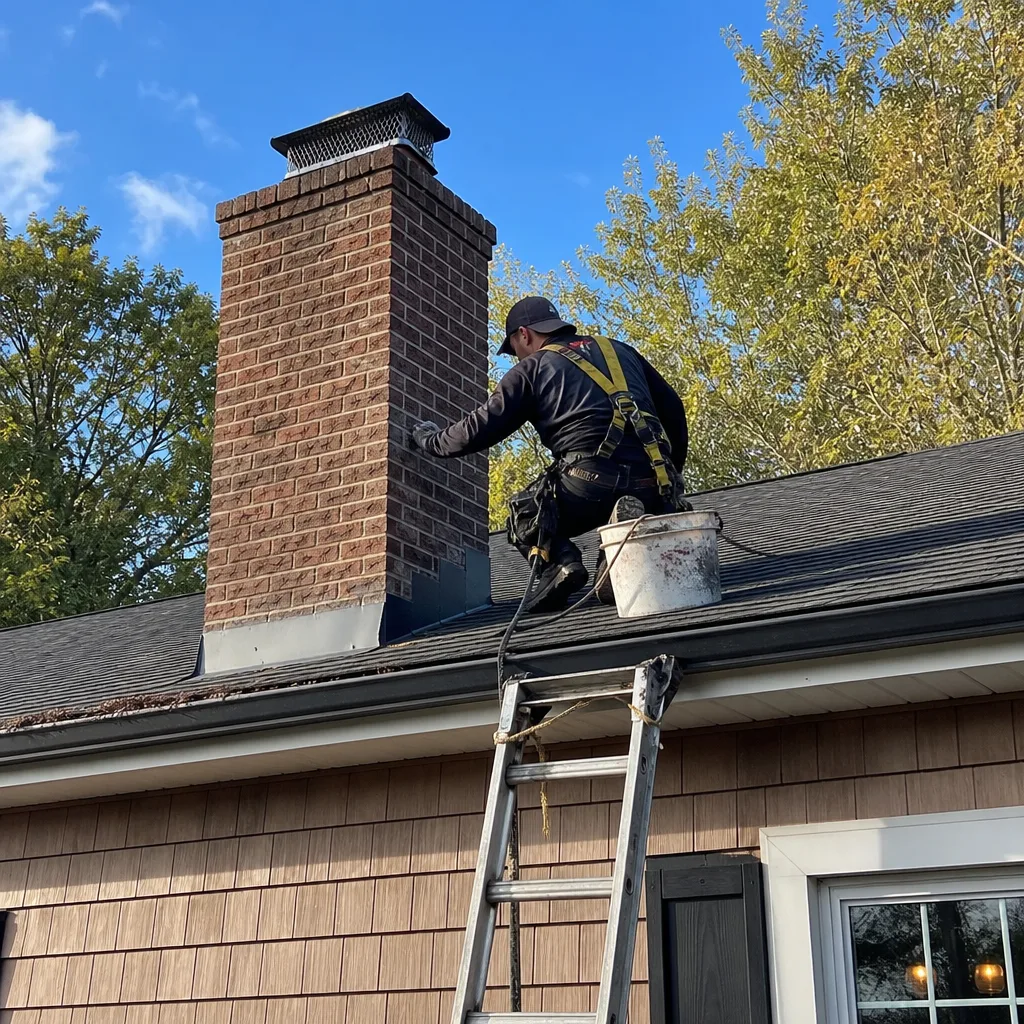 After
After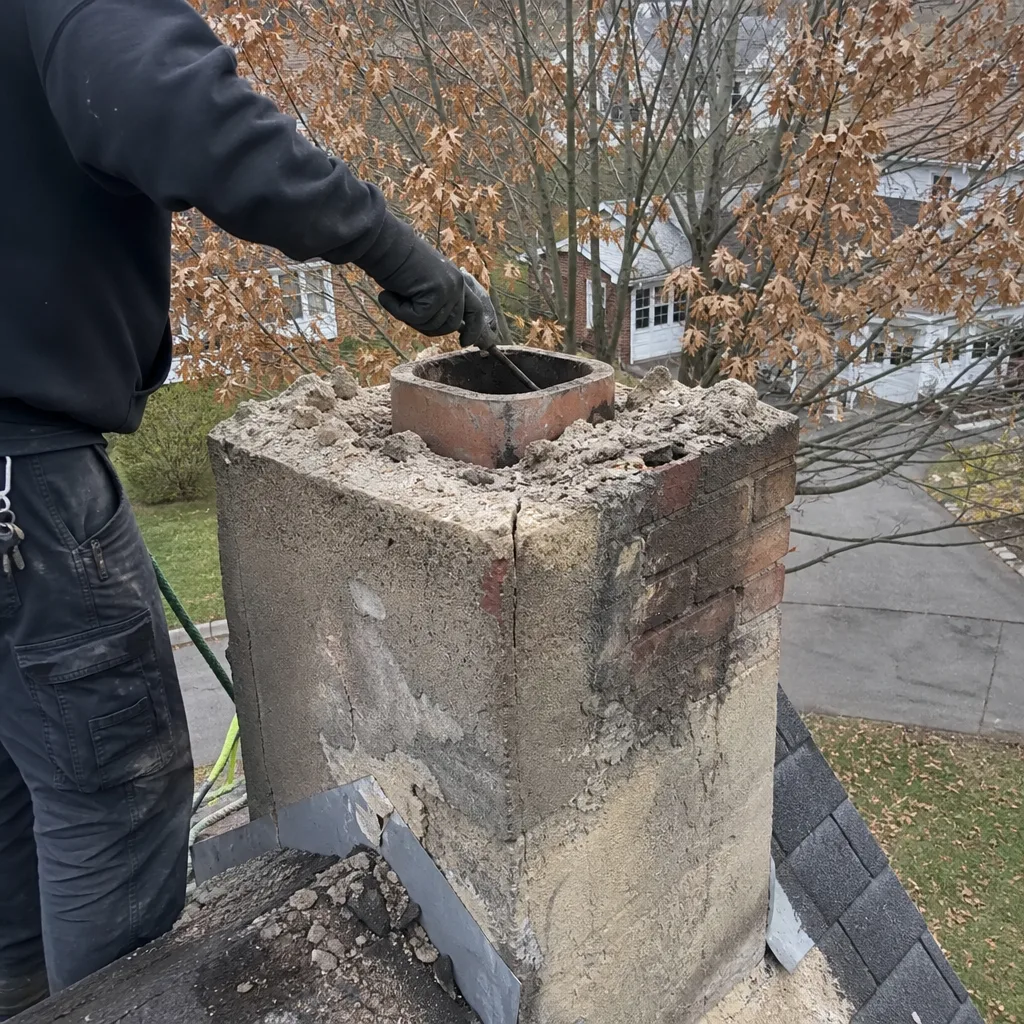 Before
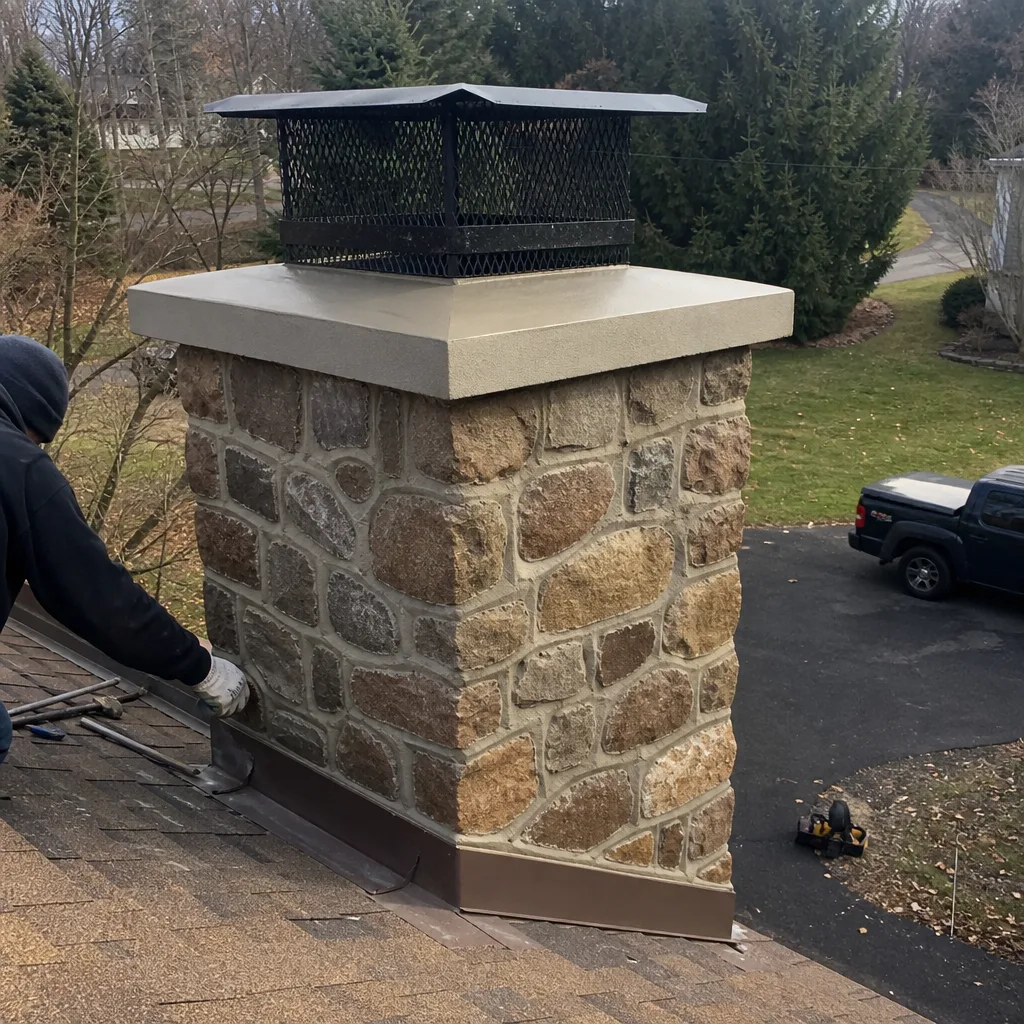 After
AfterSeasonal Chimney Cleaning Care for Northampton: Year-Round Homeowner’s Guide
Spring is the worst time to discover a chimney problem, but it’s the best time to fix one cheaply – because every masonry contractor in the county isn’t booked solid yet. Most homeowners in Northampton only think about their chimney when the first cold snap hits in October, and by then the sweep you want is already scheduling three weeks out. This guide walks you through what’s actually happening to your chimney in each season here in Northampton, PA, so you can catch problems when they’re small, schedule work when it’s convenient, and never sit in front of a cold fireplace wondering if you should have called sooner. For more guides & resources, visit our blog.
Quick Answer
In Northampton, a chimney should be swept once per burn season regardless of how often you use it, and the ideal cleaning window is late spring or summer – after your last fire and before fall demand creates scheduling delays. Seasonal care breaks down like this: spring for inspection and animal checks, summer for masonry and liner work, fall for a pre-season safety check, and winter for smart burning habits that reduce creosote buildup. Download our Chimney Cleaning & Sweep Maintenance Checklist for Northampton Homeowners to stay on track.
Table of Contents
- What Winter Burn Season Actually Does to Your Chimney
- Spring Inspection: Why the Timing of Your Cleaning Matters
- Freeze-Thaw, Nesting Animals, and Efflorescence: Spring’s Specific Problems in Northampton
- Summer: The Right Window for Masonry Repair, Relining, and Waterproofing
- Fall Scheduling Reality Check: Why October Is Too Late
- Winter Burning Habits That Determine Whether “Once a Year” Applies to You
- Wood Type and Firebox Conditions: What Changes Your Cleaning Schedule
- Your Northampton Annual Chimney Care Cycle: Month by Month
What Winter Burn Season Actually Does to Your Chimney
Every fire you light deposits creosote on the inside walls of your flue. The amount depends on burn temperature, wood moisture, and airflow – but the deposit itself is not the whole story. In a Northampton winter, with temperatures swinging from the low teens to the mid-40s, your flue goes through repeated heating and cooling cycles that bake creosote in layers. Early-season fires produce flaky first-degree creosote that brushes off easily. By February, those layers have compressed into second-degree – a tar-like glaze that requires more aggressive mechanical cleaning. First-degree creosote is a brush job. Third-degree is a glaze – catch it early.
What many homeowners don’t realize is that the chimney keeps working after the fire goes out. The warm flue draws cold outside air down through the chimney, condensing moisture against the creosote. That moisture carries acidic compounds from the wood smoke, and over the course of a winter, the inside of your flue can go from clean to corroded without you ever seeing it. This is why the timing of your cleaning relative to your last fire matters. A sweep performed a week after your final fire shows us what your chimney actually accumulated – not what it looked like before the burn season started. When you clean in the fall, you’re removing last year’s deposits, but you’re not getting a true picture of what this year’s fires left behind.
Here’s what a full Northampton burn season typically leaves behind in a well-maintained fireplace burning seasoned hardwood:
- First-degree creosote: Light ash or soot, mostly in the upper third of the flue. Brushes off with standard sweeping.
- Second-degree creosote: Shiny black flakes concentrated near the smoke shelf and damper area. Requires rotary cleaning.
- Third-degree creosote: Hardened glaze, most common when burning unseasoned wood or running smoldering fires. May require chemical treatment plus mechanical removal.
- Moisture damage: White or gray staining on exterior brick, or a musty odor when the fireplace is cold. Signals water getting where it shouldn’t be.
Your flue doesn’t care how the fire looks. It cares how it breathes. And after a winter of burning, it needs a proper check before the warm weather lets small problems turn into expensive ones.
Spring Inspection: Why the Timing of Your Cleaning Matters
The best time to have your chimney inspected in Northampton is in the spring, and not just because schedules are open. When you wait until fall, you’re asking the sweep to find problems that have been sitting undetected through summer rain and humidity. Here’s the practical sequence:
- Schedule your post-season sweep within 4-6 weeks of your last fire. The creosote is still relatively soft, and the inspector can see exactly what the burn season deposited. This is the most accurate reading you’ll get all year.
- Expect a camera inspection after the sweep. A proper cleaning clears the flue walls so the camera can see hairline cracks, spalling brick, or liner damage that creosote would otherwise hide. The camera footage and a plain-English verdict – every time, no exceptions.
- Ask about water entry. Spring in Northampton means rain, snowmelt, and the freeze-thaw cycle at its most active. Small cracks that opened over the winter will let water in now. The spring inspection is when you catch them before a summer of saturation makes them worse.
- Make repair decisions based on evidence, not urgency. If the camera shows a problem, you have months of warm weather to get it fixed before burning season. You’re not making a decision while the first snow is forecast.
- Schedule any recommended work for summer. Masonry and liner work cures better in warm, dry conditions. You’ll get a more durable result, and you’ll have the pick of scheduling dates rather than taking whatever slot is left in October.
Wendell and his crew have been doing spring inspections in Northampton long enough to know that most chimney problems are slow-moving. A hairline crack in March is a small repair. The same crack after a summer of rain and a winter of freeze-thaw is a much bigger job. Once a year, burn or no burn. Chimneys break in the off-season too.
For a deeper look at how the sweeping process works in this area, see our Chimney Cleaning & Sweep in Northampton page.
Freeze-Thaw, Nesting Animals, and Efflorescence: Spring’s Specific Problems in Northampton
Northampton sits in a climate band that gets real winters and real springs, and that combination is harder on masonry than either season alone. When daytime temperatures climb above freezing and nights drop back below, water trapped in brick pores expands and contracts. Each cycle widens micro-fractures by a hair. Over twenty or thirty freeze-thaw cycles in a single spring, those hairs become visible cracks, and visible cracks become water entry points.
Three spring-specific problems we see repeatedly in Northampton:
- Freeze-thaw mortar damage: The mortar joints between bricks are softer than the brick itself, so they erode first. Look for crumbling or sandy mortar on the chimney crown and upper courses. In Northampton’s older neighborhoods, chimneys built in the 1950s through 1970s are especially vulnerable because the original mortar has reached the end of its service life.
- Nesting animals: Squirrels, raccoons, and chimney swifts are all active in Northampton in the spring. A missing or damaged chimney cap is an open invitation. You’ll hear scratching, smell droppings, or see nesting material falling into the firebox. The fix is a proper cap with a spark arrestor, not a screen from the hardware store that the next raccoon will bend open.
- Efflorescence: That white, chalky staining on exterior brick is dissolved salt being pulled to the surface as water migrates through the masonry. It’s not cosmetic – it tells you water is inside your chimney, and that water is doing invisible damage. The fix is finding and closing the water entry point, then sealing with the right waterproofing treatment. Sealing over efflorescence without fixing the water source traps the problem inside.
If you see any of these signs in the spring, don’t wait for fall to address them. The summer is the time to act, and the work will hold better than if you squeeze it in between cold snaps.
Summer: The Right Window for Masonry Repair, Relining, and Waterproofing
Nobody thinks about their chimney in July, and that’s exactly why July is the best month to get real work done. Mortar and sealants have minimum cure temperatures, and a humid Northampton summer with warm nights actually helps the materials set properly. Winter repairs are a compromise – you’re fighting the weather, and the products are fighting the temperature.
Here’s what actually holds up well when done in warm, dry conditions:
- Mortar repointing: The ideal temperature range for mortar work is between 50°F and 90°F, and summer in Northampton sits right in that window. New mortar needs several weeks of moderate conditions to reach full strength before the first freeze hits. A repointing job done in August has months to cure before winter. Done in November, it’s a gamble.
- Chimney liner installation: Stainless steel liners from brands like DuraFlex and Olympia Chimney are installed year-round, but the surrounding masonry work – crown sealing, top plate fitting, mortar collar at the top – cures far better in summer. When we reline a chimney for a Northampton homeowner in July, the finished job has months to settle before the first fire.
- Waterproofing: A breathable waterproofing treatment applied to exterior brick needs dry conditions for at least 24 hours after application. Rain in the forecast means rescheduling. Summer gives us the most reliable application windows, and the treatment penetrates better when the masonry is thoroughly dry from warm weather.
- Crown repair and replacement: The chimney crown is the concrete cap that sheds water from the top. Cracks in a crown are the fastest way to get water inside a chimney. Casting a new crown in summer means proper curing, no freeze risk, and a structure that will last decades.
- Firebox rebuilds and HeatShield resurfacing: Fireboxes see extreme heat cycles, and any patching or resurfacing product needs warm conditions to bond properly. HeatShield, which we use to repair cracked fireboxes and smoke chambers, performs best when applied in moderate-to-warm temperatures. A summer application is a stronger application.
- Scheduling delays: Most chimney sweeps in Northampton run full schedules from October through December. You may not get a cleaning until November, which means your first fires are burning on last year’s creosote.
- Repair backlogs: If your fall sweep uncovers a problem – a crack in the liner, damaged crown, missing cap – the repair can’t happen until the repair schedule opens, which may be January. A summer discovery could have been fixed in a week.
- Pressure decisions: When the first freeze is forecast and your fireplace isn’t usable, you’re more likely to accept whatever repair quote you’re given. Homeowners who inspect in spring and repair in summer make calmer decisions with real options.
- Call immediately and get on the schedule. Even a late-season cleaning is better than no cleaning. The waitlist moves faster for simple sweeps than for inspection-and-repair packages.
- Don’t burn until the sweep is done. The first fires of the season are the most dangerous if creosote from the previous year has cured into a hardened glaze. A roaring first fire on a heavily deposited flue is how chimney fires start.
- If you must burn, burn small and hot. Dry kindling, small splits, full airflow. Do not smolder a damp log overnight – that’s the fastest way to add serious creosote to an already dirty flue.
- Ask about a partial-year rebate on next year’s cleaning. Some sweeps, including us, will credit you toward the following spring if you get a late-season fall cleaning. You’re not paying twice for the same season – you’re catching up and starting a better schedule.
- The occasional burner: A fire on weekends, maybe a dozen times per season, using seasoned hardwood. Once a year is enough for you – but that one cleaning should happen in spring, not fall.
- The regular burner: Fires three or four nights a week from November through February. You’re putting real creosote into your flue, especially with cold-start fires that burn inefficiently until the flue warms. A mid-season sweep in January is not unusual for this profile.
- The full-time wood heat home: Some Northampton homes use a wood stove or fireplace insert as primary heat. Those systems should be checked monthly for creosote buildup during peak season, with professional sweeping as often as every two to three cords of wood burned.
- Burning unseasoned wood: Wood cut this year has moisture content above 25%, which cools the fire and produces thick, sticky creosote. Seasoned wood is split, stacked, and dried for at least a year, ideally two. In Northampton, a wood pile covered only on top and exposed on the sides seasons properly through one full summer.
- Overnight smoldering: Closing the damper or air intake to hold a fire all night drops the burn temperature into the creosote-producing range. You’re trading a warm morning for a glazed flue.
- Wet or snow-covered wood: Bringing in a log that’s been sitting in snow adds water directly to the firebox. That water turns to steam, cools the flue, and condenses creosote faster than anything else you can do.
- Ignoring the damper: A damper that doesn’t open fully restricts airflow, which cools the fire and increases creosote. It also forces smoke back into the room. Damper problems should be fixed before the season starts.
- Hardwood (oak, maple, hickory), seasoned 12+ months: One cleaning per burn season is standard. Creosote stays in first-degree range if you’re running full airflow.
- Hardwood, seasoned 6-12 months: More second-degree creosote. Spring cleaning becomes more important, and a mid-season check is wise if you burn frequently.
- Softwood (pine, spruce, fir): Expect heavy soot and creosote even when dry. Clean every face cord burned, or switch wood sources.
- Mixed hardwoods with occasional softwood kindling: Mostly fine, but inspect carefully in spring. Softwood kindling deposits soot that accumulates faster than you’d expect.
- Store-bought wrapped wood bundles: Kiln-dried and clean, but expensive. If this is your only source, you’re probably not burning enough to need more than an annual cleaning.
- April (after your last fire): Schedule your post-season sweep and inspection. This is the single most important action on this list. The cleaning removes everything the winter deposited, and the camera sees the flue clearly for the first time in months.
- May: Review the inspection results. If there are recommendations – a cap, a crown repair, minor repointing – get them scheduled now. Animal activity is at its peak, so confirm your cap is secure and the spark arrestor is intact.
- June: Book any major work: liner replacement, extensive repointing, waterproofing. The weather in Northampton in June is about as reliable as it gets for masonry and sealant work.
- July: Most repair work is underway or completed. If you haven’t done a water test or checked for efflorescence after spring rains, do it now. This is also the month to order your firewood for next winter – it needs a full summer to season.
- August: Second-look month. Walk around the chimney exterior. Look for new cracks, crumbling mortar, or displaced caps. Address anything now, not in the fall rush.
- September: Pre-season readiness check. If you’ve been on schedule, this is just confirmation – a quick exterior visual, a test burn in the fireplace for a few minutes to confirm draft, and you’re ready. If you haven’t been on schedule, this is the last month to get a cleaning before the rush starts.
- October through March (burning season): Burn smart. Seasoned hardwood, full airflow, no overnight smolders. Watch for smoke spillage, odd smells, or soot falling back into the firebox. Any of those means stop burning and call. If you’re a heavy burner, schedule a mid-season check in January.
The other advantage is scheduling. In July, you can pick a date that works for you. In October, you’re calling around hoping someone has a cancellation. And if you need a chimney cap, crown work, or a full reline, the products from Gelco, DuraFlex, and Olympia Chimney that we install are the same ones the job would need in the fall – the only difference is that summer installation gives them the cure time they’re rated for. Before starting any project, review Chimney Cleaning Permits, Codes & Inspections in PA: What You Need to Know.
Our Chimney Repair in Northampton page covers the full range of repair work, including what to expect from a camera inspection before any repair recommendation is made.
Fall Scheduling Reality Check: Why October Is Too Late
Here’s the problem with fall scheduling in Northampton: everyone has the same idea at the same time. The first cold night in late September triggers a wave of calls from homeowners who haven’t touched their fireplace since March. By the second week of October, reputable sweeps in the area are booking two to four weeks out. That’s not a marketing tactic – it’s what happens when a year’s worth of cleaning demand compresses into eight weeks.
What you can actually expect if you wait until October:
If you find yourself in October without a cleaning on the calendar, here’s what to do:
If your fireplace isn’t ready for the first cold snap, the honest answer is to wait. The cost of not using the fireplace for two weeks is far lower than the cost of a chimney fire. Top Hat Chimney has been cleaning Northampton chimneys since 1999, and we’d rather see you burn nothing than burn unsafe.
Winter Burning Habits That Determine Whether “Once a Year” Applies to You
The standard advice is “sweep once a year,” but once a year is a floor, not a ceiling. What actually matters is how much and how you burn. In Northampton, we see three general profiles:
Burning habits that increase how often “once a year” needs to become twice:
The honest answer for most Northampton homeowners is this: if you burn more than about a face cord of wood per season, or if you burn at all before the flue has warmed up, you should be watching for creosote buildup more closely than a once-a-year schedule suggests. The camera footage and a plain-English verdict – every time, no exceptions. That’s how you know for sure.
Wood Type and Firebox Conditions: What Changes Your Cleaning Schedule
Not all firewood leaves the same deposits. Oak, maple, and hickory – the hardwoods common in Northampton and throughout the Lehigh Valley – burn hot and relatively clean when properly seasoned. Cherry and walnut are also good. The problem woods are pine, poplar, and willow, which burn fast and cool, leaving behind heavy soot and creosote even when dry. If you’ve been burning pine because it’s cheap or free, expect your cleaning needs to double.
Your firebox conditions also play a role. A cracked firebox panel or damaged firebrick lets heat reach areas it shouldn’t, which changes how the fire burns and accelerates creosote formation in the smoke chamber. A leaky damper cools the flue between fires, which condenses moisture. An improperly sized flue – too big for the fireplace opening – reduces draft velocity and allows creosote to settle instead of exiting. All of these are conditions a camera inspection after cleaning will reveal, and all of them change your maintenance arithmetic.
Here’s a simple table of what to expect based on what you burn:
And a word on wood storage in Northampton: raise the pile off the ground on pallets or rails, cover the top only – not the sides – and stack loosely so air moves through. A wood pile that sits directly on the ground or sealed under a tarp stays wet, and wet wood is the single fastest way to turn a clean flue into a creosote factory. For more on how firebox and fireplace conditions affect your overall system, see our Fireplace Services in Northampton page.
Your Northampton Annual Chimney Care Cycle: Month by Month
Here’s the full year, laid out the way we recommend it to every homeowner in Northampton who asks. This is the schedule that keeps your chimney safe, catches problems when they’re cheap, and avoids the fall rush entirely.
Once a year, burn or no burn. Chimneys break in the off-season too. That’s not a slogan – it’s what we see in Northampton every single year. The homeowners who follow this cycle don’t sit in the cold. The ones who wait until October, do.
Common Mistakes to Avoid
- Waiting until fall to schedule anything. You’re joining the line with everyone else. Spring and summer scheduling gives you your pick of dates and lower-stress decision-making.
- Assuming “once a year” is a one-size-fits-all rule. Heavy burners need more frequent cleaning. If you burn more than a face cord per season, you’re not the once-a-year customer.
- Burning unseasoned wood because it was cheap or free. Wet wood deposits creosote at triple the rate of seasoned hardwood. That free wood ends up costing you in cleaning frequency and chimney risk.
- Installing a cheap cap or screen without a professional fitting. Raccoons and squirrels in Northampton don’t need much of an opening. A properly fitted cap with a spark arrestor is a one-time purchase that lasts years.
- Ignoring efflorescence as “just a cosmetic thing.” White staining on your brick means water is inside your chimney. It never resolves on its own, and it always gets more expensive to fix the longer it runs.
- Skipping the camera inspection to save money. A sweep without a camera inspection tells you what was removed, not what condition the flue is in. The camera is the whole point of the inspection – it’s what catches the problems you can’t see from the fireplace opening or the roof.
- Making repair decisions under winter urgency. When the first freeze is forecast and your fireplace is unusable, you’re not making your best decisions. Summer inspections prevent winter desperation.
When to Call a Professional
Call a professional if you see smoke spilling into the room, hear animals in the chimney, notice a strong odor from the fireplace even when it’s not in use, see crumbling mortar or spalling brick on the exterior, find water stains on the ceiling near the chimney, or if your last cleaning was more than a year ago and you plan to burn this season. Also call if you’ve bought a new home in Northampton and don’t know the chimney’s history – a pre-purchase level inspection is worth the cost. Top Hat Chimney offers free estimates in Northampton – call (484) 859-1367 and ask for Wendell. We’ll give you a straight answer and a written quote before a single tool comes off the truck.
Frequently Asked Questions
In Northampton, a chimney used for wood burning should be professionally swept once per burn season at minimum, with a spring cleaning being the ideal timing. Homes that burn more than one face cord of wood per year, or that burn unseasoned wood or softwoods, should expect to need an additional mid-season cleaning. The safest schedule is a post-season sweep in April or May, followed by a pre-season visual check in September.
Skipping a year means the creosote from two burn seasons sits in your flue, and the older layer has had a full summer to cure into a hardened, tar-like glaze. That glaze is harder to remove than fresh creosote and is the most common ignition source for chimney fires. In Northampton’s freeze-thaw climate, skipping a year also means water damage that opened up in the off-season goes undetected, which compounds repair costs. Call (484) 859-1367 if you’ve lost track – we’ll get you on the schedule and give you an honest assessment of what we find.
Spring is the better timeline for Northampton homeowners because it gives you an accurate picture of what the burn season deposited, catches water damage before a summer of rain makes it worse, and opens up scheduling flexibility that doesn’t exist in the fall. Fall cleanings are still valuable – they remove last year’s buildup before you start burning again – but they don’t replace the diagnostic value of a post-season inspection. If you can only afford one cleaning per year, make it the spring one.
Yes. Northampton’s tree canopy and older housing stock make uncapped chimneys attractive to squirrels, raccoons, and chimney swifts, and an uncapped flue is also an open water entry point during rain and snow. A properly fitted cap with a spark arrestor solves both problems and typically costs less than the animal removal call you’ll need without one. We install caps as part of our Chimney Repair in Northampton work, and we’ll show you exactly what size and style your flue needs.
A standard chimney sweep and inspection in Northampton typically runs between $180 and $340, depending on flue height, creosote condition, and whether the system has been cleaned recently. See our Chimney Cleaning Cost Breakdown: The Northampton Homeowner’s Reference for 2026 for full pricing details. The price we quote on the phone is the price on the invoice – Top Hat Chimney has offered no-hassle upfront pricing since 1999, and we never change the number when we arrive. Call (484) 859-1367 for a specific quote on your chimney, and mention this guide for the standing offers: $40 off any repair over $200, and 10% off always for seniors and veterans.
The biggest mistake is treating the chimney as a fall-only concern. In Northampton’s climate, the freeze-thaw cycle damages masonry in late winter and early spring, and that damage worsens through the summer if left unaddressed. A homeowner who only thinks about the chimney in October has already missed the window for low-stress, properly-curing repairs. The homeowners who stay warm are the ones who think about their chimney in April as seriously as in October. Top Hat Chimney home has the full picture of what we do, and the phone is answered by a live person around the clock.
The Bottom Line
A chimney in Northampton needs attention all year, not just when the leaves turn. Spring is for cleaning and inspection – the post-season sweep that tells you the truth about what winter deposited. Summer is for repairs – the masonry and liner work that cures best in warm weather and gives you the scheduling flexibility October never will. Fall is for readiness – confirming everything is in place before the first cold snap. Winter is for burning smart, because seasoned hardwood and full airflow keep creosote manageable. Follow the cycle, and your chimney will be safe, efficient, and honest with you. Skip it, and you’ll be making expensive decisions at the worst possible time. Since 1999, Wendell Pike has been serving Northampton with the same approach: clean work, straight talk, and a promise in writing. Call (484) 859-1367 for a free estimate, and we’ll treat your chimney the way we’d treat our own.
Written by Wendell Pike, Owner at Top Hat Chimney, serving Northampton since 1999.