
Last updated September 10, 2026
Level 1 sweep and inspection to the NFPA 211 annual standard - flue, crown, cap, and flashing checked and photographed
Chimney sweep logs do not sweep chimneys. They loosen some creosote - which then falls where a brush and vacuum still have to collect it.
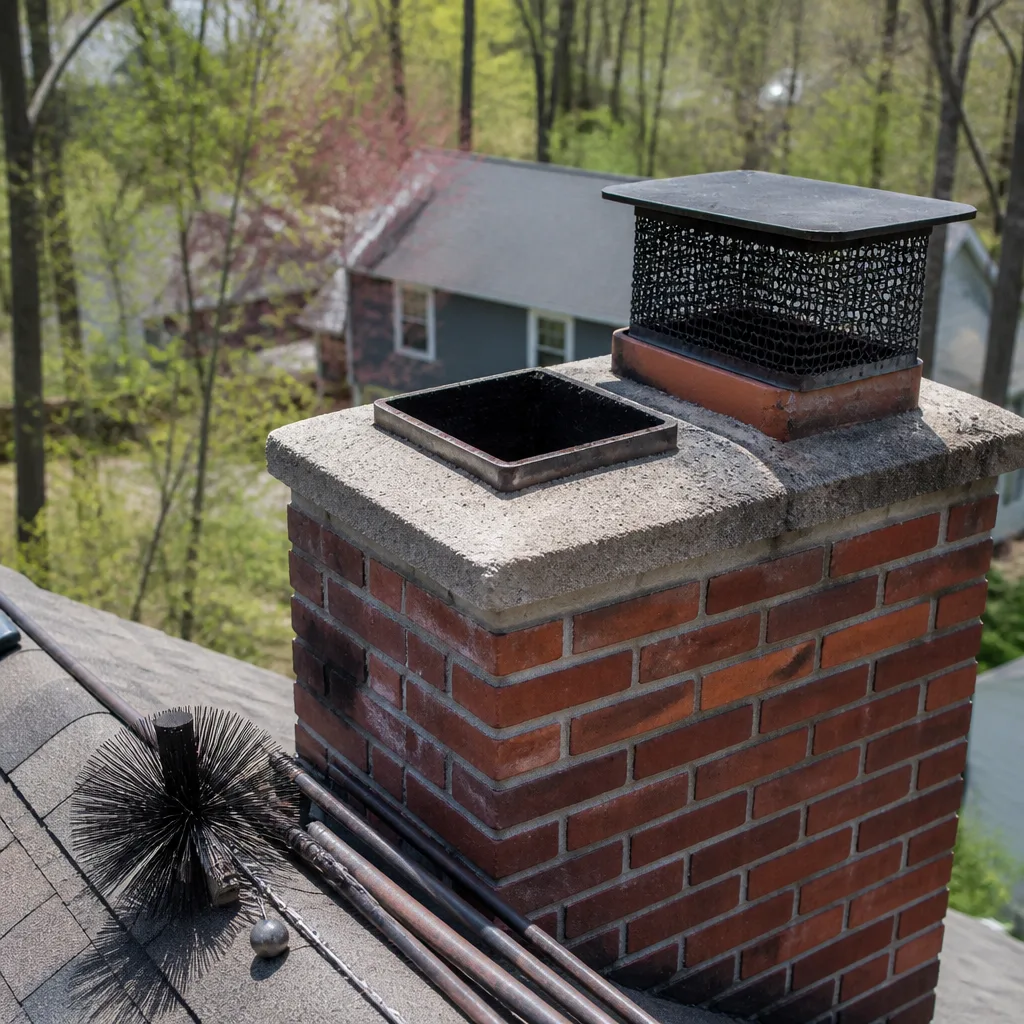
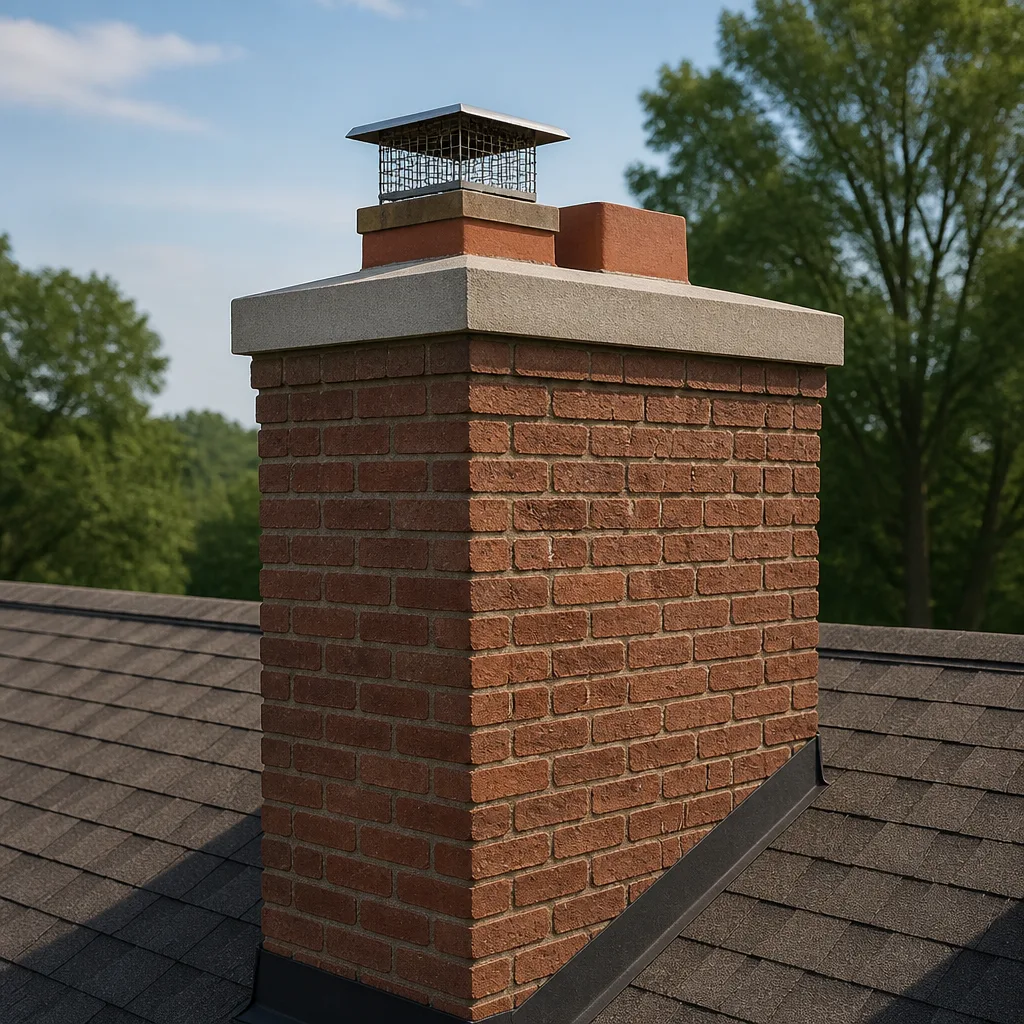
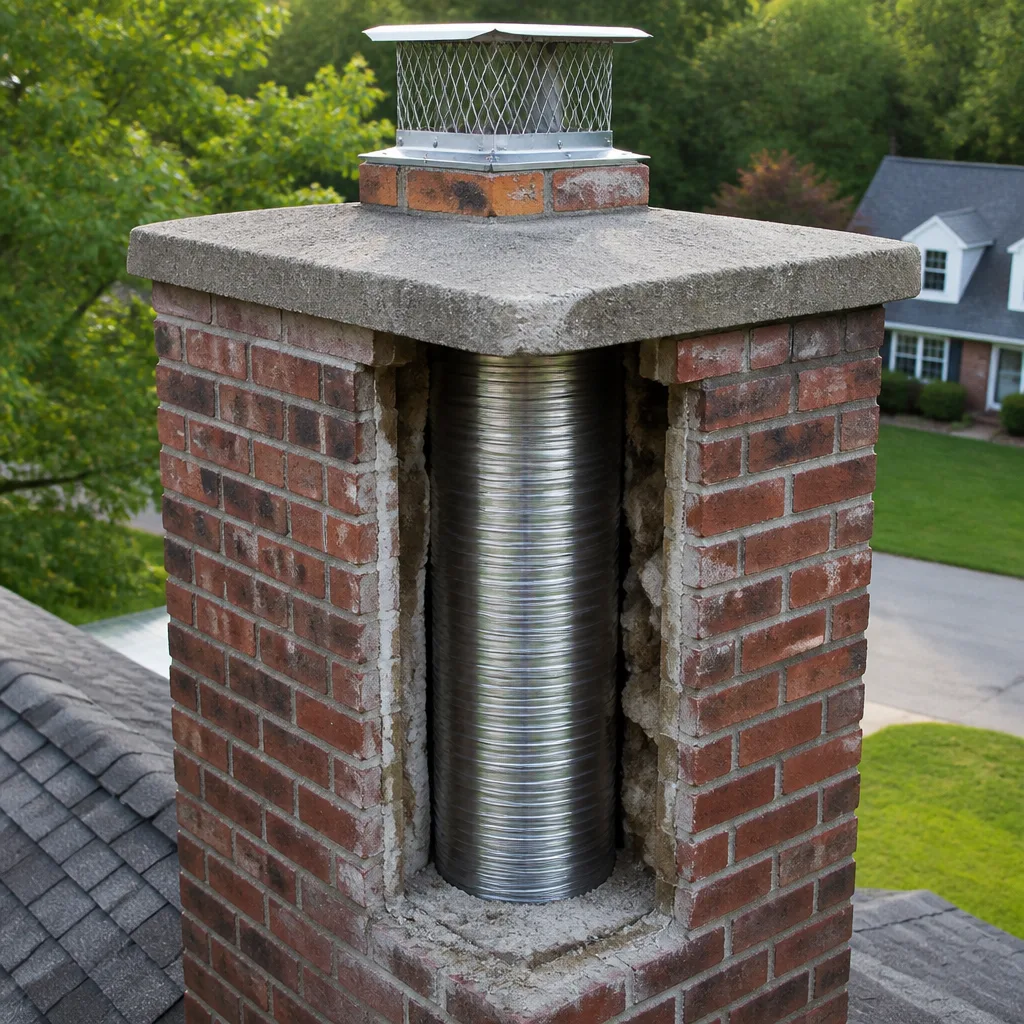
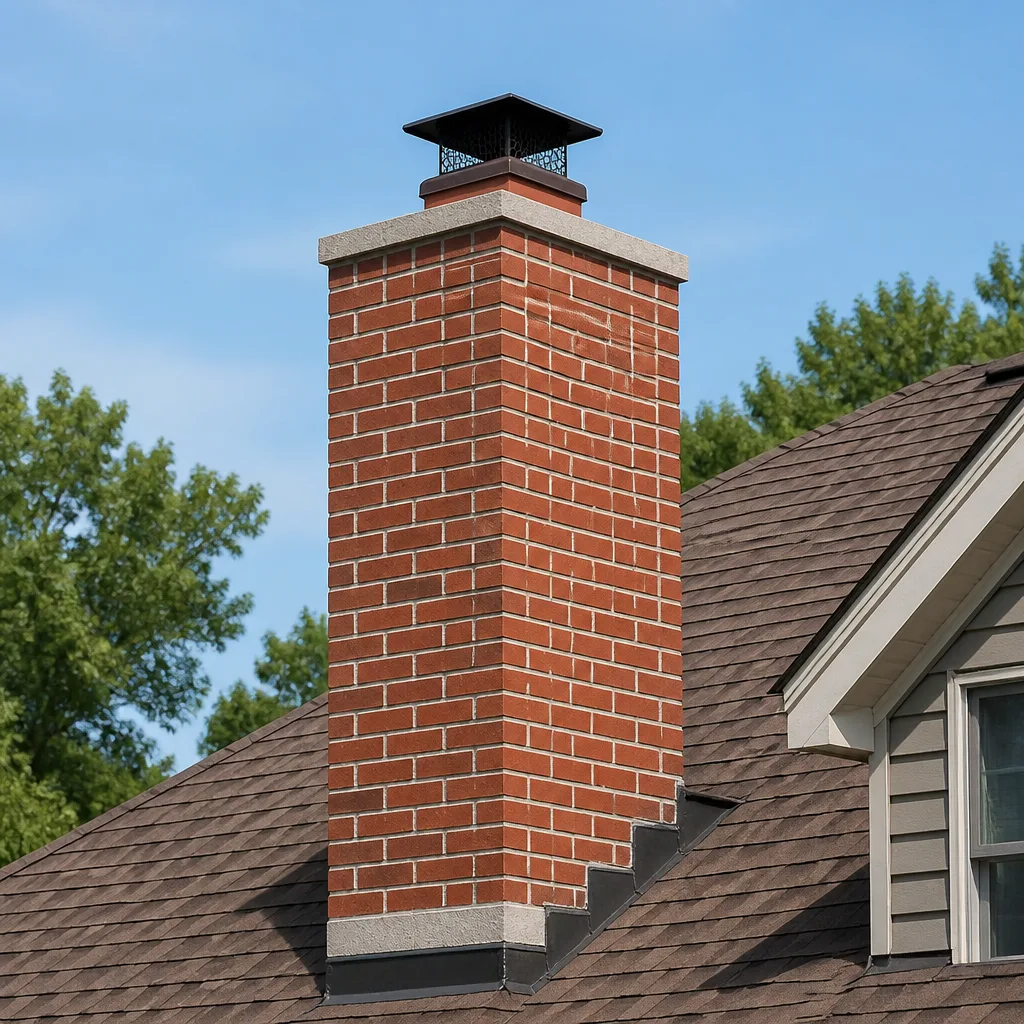
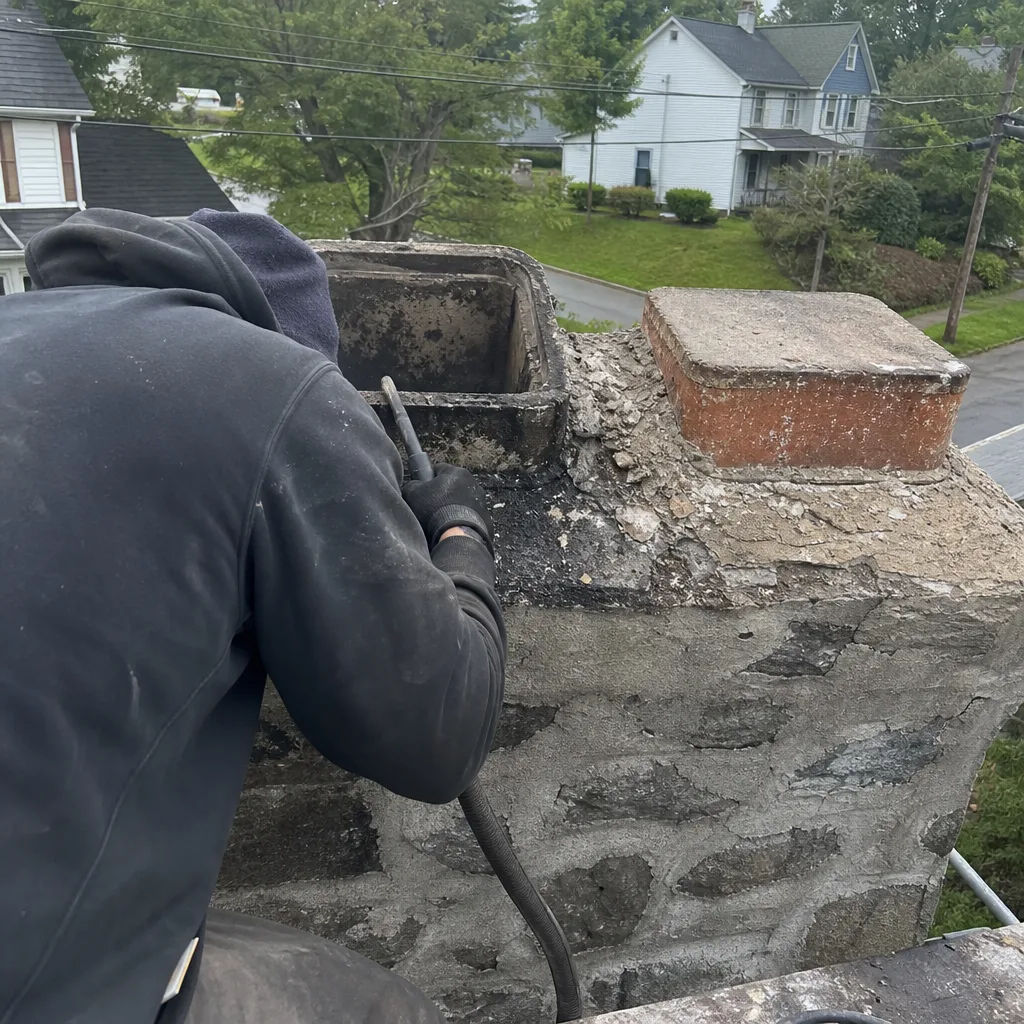 Before
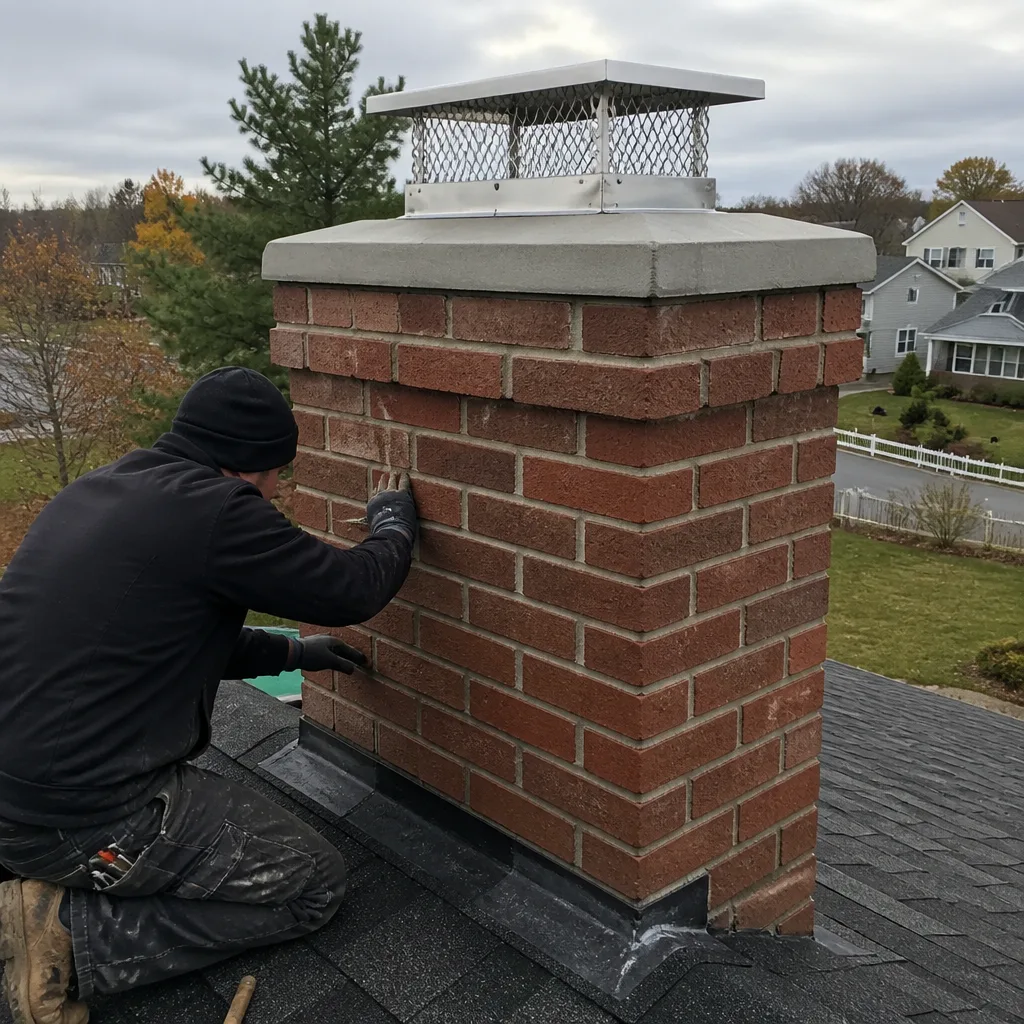 After
After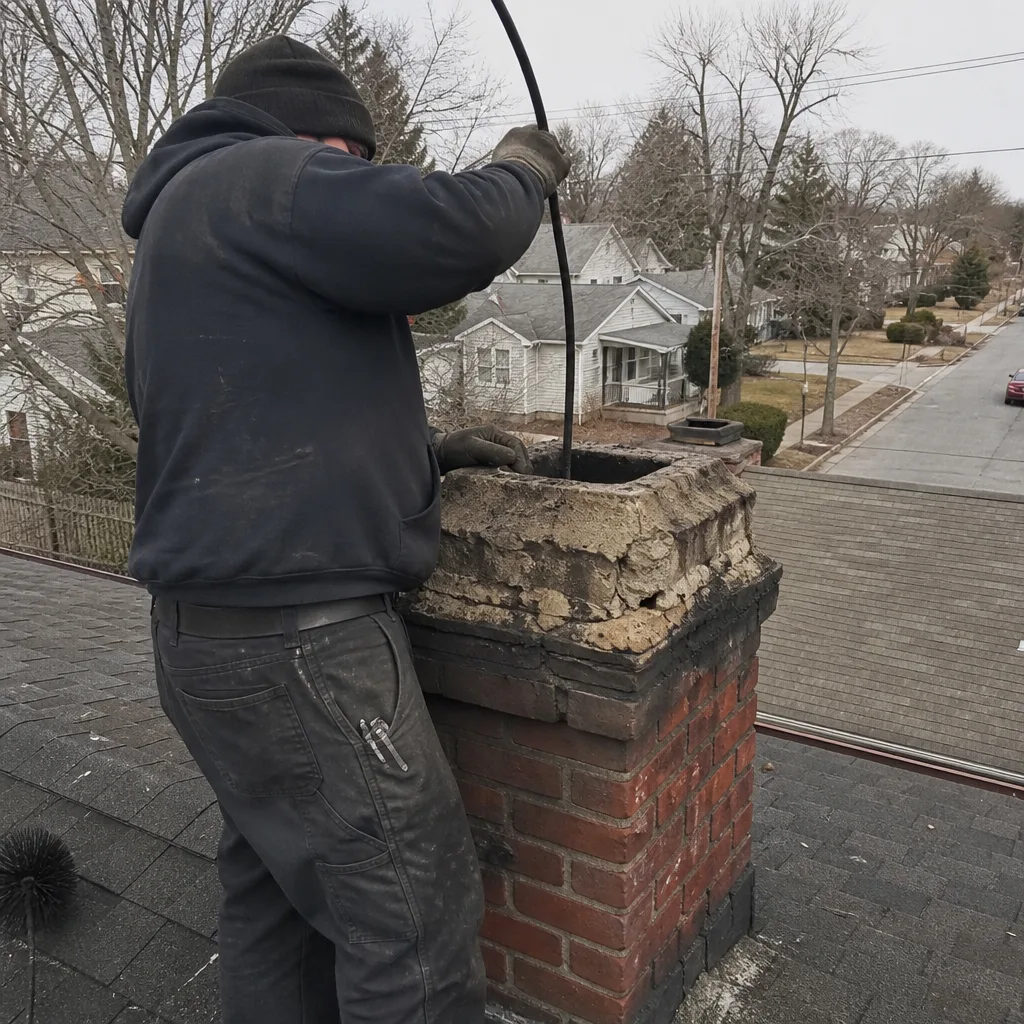 Before
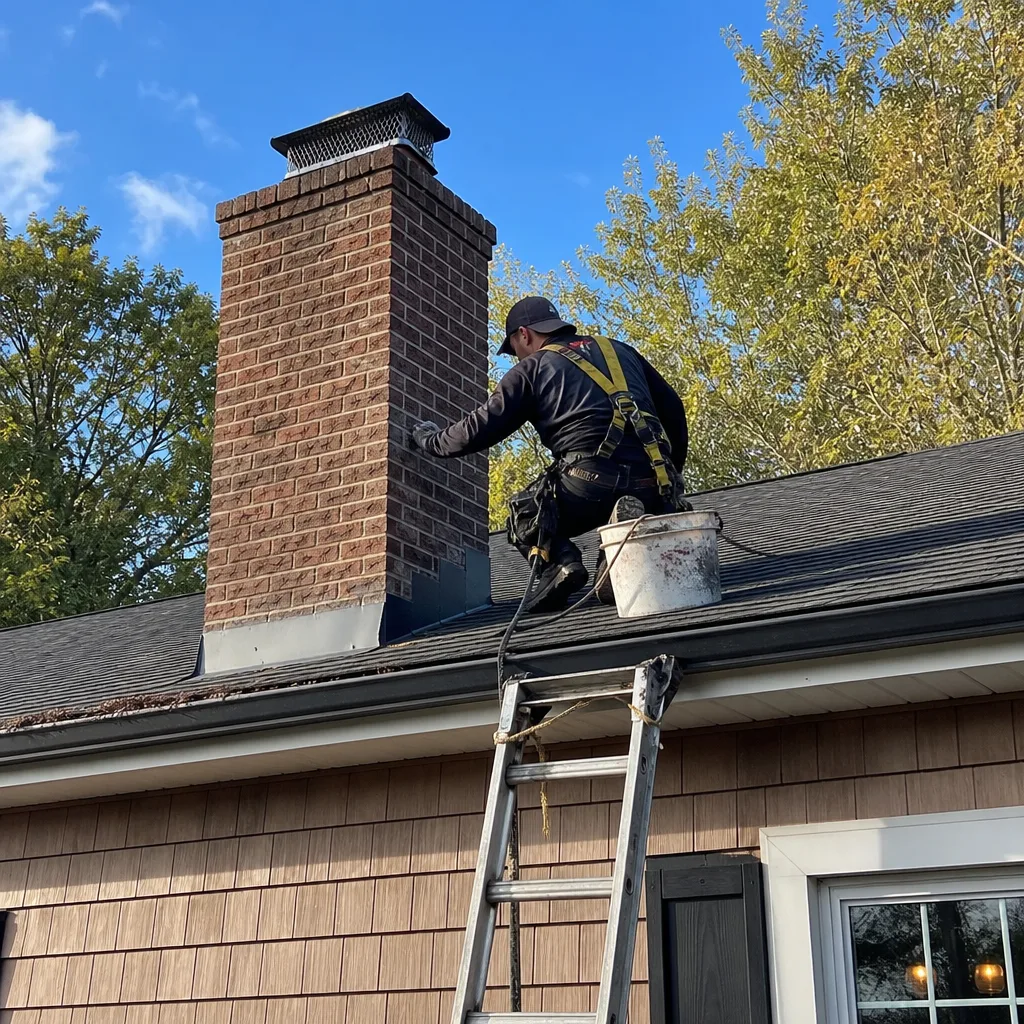 After
After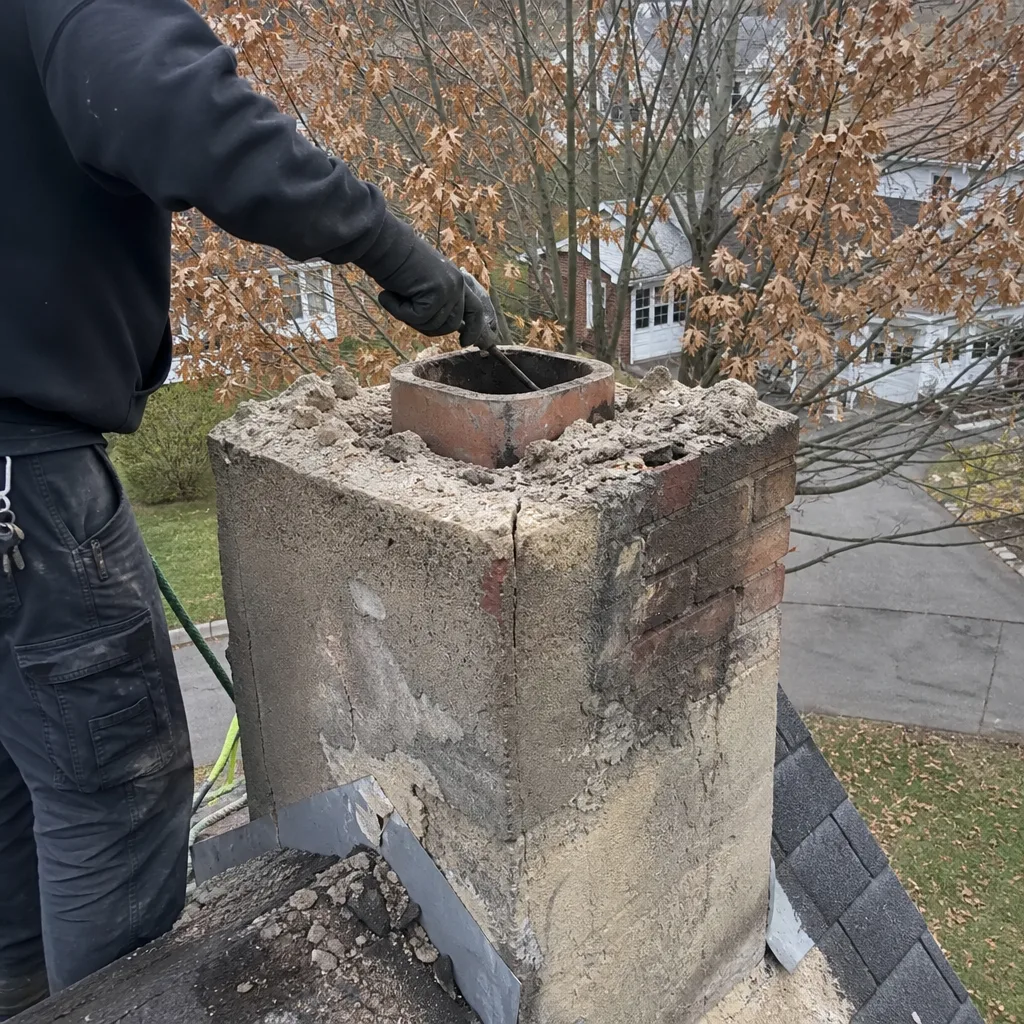 Before
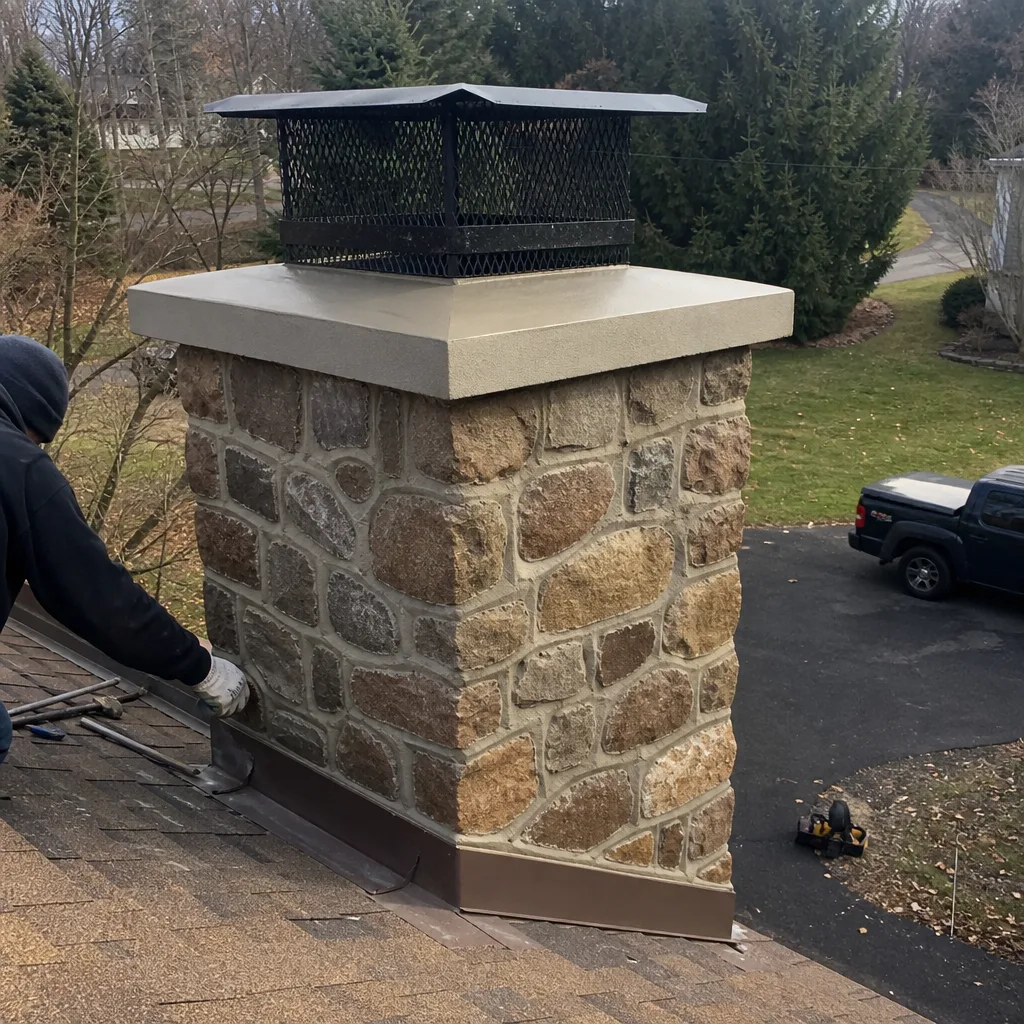 After
AfterThe Complete Guide to Chimney Cleaning in Northampton
A standard chimney cleaning takes about 45 minutes to an hour. If a company is in and out in fifteen minutes, something didn’t get cleaned. That’s the first thing to know, and it’s the reason this guide exists.
Most Northampton homeowners have never watched a legitimate sweep work from start to finish. They don’t know what should happen before the brush goes in, what the creosote stages actually mean, or why two companies can quote $149 and $349 for what sounds like the same job. This guide walks through the entire process, step by step, so when the sweep leaves your driveway, you know exactly what you paid for. For help choosing who to hire, see our How to Hire a Chimney Cleaning Contractor in Northampton: A Step-by-Step Guide. Wendell Pike has been doing this work in Northampton since 1999, and he’ll be the first to tell you when a chimney doesn’t need cleaning at all.
Quick Answer
A chimney cleaning in Northampton, PA typically costs $189 to $349 for a standard sweep and takes 45 minutes to an hour. The job should include a pre-inspection, full flue brushing with proper containment, a post-cleaning visual check, and a written report of what was found. Any company that skips the inspection or finishes in under 30 minutes is not doing the work you paid for.
Table of Contents
- What a Legitimate Sweep Actually Does, Start to Finish
- Level 1 vs. Level 2 Inspection: What Northampton Homeowners Actually Need
- Why Creosote Stage Matters More Than How Much There Is
- What Chimney Cleaning Does NOT Include
- Red Flags in Older Northampton Homes: Pre-1970 Construction and Coal-Converted Fireplaces
- How Often Should You Clean a Chimney in Northampton?
- What Does Chimney Cleaning Cost in Northampton, PA?
- How to Pick a Sweep You Can Trust
What a Legitimate Sweep Actually Does, Start to Finish
A real chimney cleaning is a process, not a single action. When Wendell or one of his crew pulls up to a home in Northampton, the work starts before the brush ever comes off the truck. Here’s the sequence, in order, and why each step matters.
- Exterior inspection. The sweep should walk around the house and look at the chimney from the ground. They’re checking the crown for cracks, the cap for rust or missing mesh, the mortar joints for spalling, and the flashing where the chimney meets the roof. In Northampton’s freeze-thaw winters, water gets into small cracks, freezes, expands, and turns hairline fractures into structural problems. A sweep who skips this step misses the most common source of chimney damage in this area.
- Interior inspection of the firebox and damper. Before any cleaning, the sweep should look at the firebox, the damper, and the smoke chamber. They’re checking for cracked firebrick, a damper that doesn’t open or close fully, and debris that has fallen down the flue. This is also where they’ll note whether the fireplace was ever coal-converted (common in Northampton’s older housing stock) and whether the setup is safe for wood burning.
- Protection setup. Drop cloths go down from the front door to the fireplace. The firebox opening gets sealed with a plastic barrier or a specialized vacuum system. A legitimate sweep keeps your house clean. If a company shows up with no drop cloths, that tells you something about how they’ll treat the rest of the job.
- Flue brushing. The brush goes in from the top or from the firebox upward, depending on the chimney’s design. The sweep works the brush through the entire flue length, scrubbing creosote off the walls. This is the part people picture, but it’s only one step in a longer process.
- Smoke chamber and damper cleaning. Most of the creosote that matters accumulates in the smoke chamber, the area just above the damper where the flue narrows. A lazy sweep will skip this entirely because it’s awkward to reach. It’s also where chimney fires often start. This area should be cleaned with a rotary whip or a hand brush, not ignored.
- Post-cleaning visual check. After the brushing, the sweep should run a light up the flue or use a camera to verify the walls are clean. They’re looking for any remaining creosote, cracked flue tiles, gaps in the mortar joints, or obstructions. This is the moment when a sweep catches problems that were hidden by the buildup.
- Report and walkthrough. You should get a plain-English summary of what was found. If there’s a problem, the sweep should show you the evidence, photos or camera footage, and explain what it means. No scare tactics. Just the facts and what they recommend, including whether it can safely wait.
That’s a legitimate chimney cleaning. It takes 45 minutes to an hour because it’s seven distinct steps, not one. If someone tells you they can do all of that in fifteen minutes, ask them which steps they’re skipping. For more background on what we do, see our Chimney Cleaning & Sweep in Northampton page.
Level 1 vs. Level 2 Inspection: What Northampton Homeowners Actually Need
Most homeowners only hear about inspection levels when a sweep quotes them an extra fee, and by then it feels like an upsell. Here’s the straight explanation.
A Level 1 inspection is the visual check that comes standard with any legitimate cleaning. The sweep looks at the accessible parts of the chimney, the firebox, the damper, the flue interior, the exterior, and verifies that the system is in basically the same condition it was last time. If you burn the same fuel in the same fireplace and nothing has changed, a Level 1 is all you need. This is included in our standard sweep price in Northampton.
A Level 2 inspection goes deeper. It includes everything in a Level 1 plus a camera scan of the full flue interior, and it’s required by code in specific situations: when you’re buying or selling a home, when the chimney has experienced a chimney fire, when a storm or earthquake may have damaged the structure, or when you’re changing the fuel type (like converting a wood fireplace to gas). Northampton’s older housing stock makes Level 2 inspections particularly relevant during real estate transactions. A home built before 1970 has decades of expansion and contraction in its chimney, and the only way to see what’s really going on inside the flue is with a camera.
We use camera scans during Level 2 inspections, and the footage is yours to see. You watch what we watch. When we recommend work, you’re looking at the same evidence we are. That’s how a recommendation should work.
Why Creosote Stage Matters More Than How Much There Is
Creosote is the byproduct of incomplete wood combustion. It condenses on the flue walls as smoke cools on its way up, and it comes in three stages. The stage matters more than the total amount because the stage tells you what you’re dealing with and what it takes to remove.
First-degree creosote is a fine, powdery, ash-like coating. It brushes off easily with standard sweeping equipment. This is what you’d expect from a chimney that’s cleaned regularly and burned with seasoned wood.
Second-degree creosote is flaky and crusty, like dried coffee grounds that have hardened onto the flue. It takes real scrubbing to remove. A standard brush job might get most of it, but a sweep may need rotary tools to get the flue genuinely clean.
Third-degree creosote is a hard, glossy glaze. It looks like black glass, and it’s the most dangerous form. It’s extremely fuel-dense, which means it burns hot and long if a chimney fire starts. A brush will not remove it. It requires chemical treatments, rotary chains, or in severe cases, a new liner. First-degree creosote is a brush job. Third-degree is a glaze, catch it early.
There’s a fourth thing a good sweep should note: sote accumulation in the smoke chamber. This area often has more buildup than the flue itself, and it’s less visible. A sweep who doesn’t check the smoke chamber can give your chimney a clean bill of health while a genuine fire hazard sits just above your damper. When we finish a cleaning in Northampton, the report tells you the creosote stage we found, where it was, and what we did about it. Your flue doesn’t care how the fire looks. It cares how it breathes.
What Chimney Cleaning Does NOT Include
A chimney cleaning is exactly that: a cleaning. It is not a repair service, and homeowners get frustrated when they expect one thing and receive a quote for another. Here’s what a standard sweep does not cover, so there are no surprises.
- Liner repairs or replacement. If the camera shows cracked flue tiles or a deteriorated liner, repairing or replacing it is a separate job with a separate quote. No legitimate sweep includes liner work in a cleaning price. Companies like DuraFlex and HeatShield make products specifically for this, and the work takes hours, not minutes.
- Chimney cap replacement. A cleaning may reveal that your cap is rusted through or missing. Installing a new one is a repair. A Famco or Copperfield cap is the kind of thing we’d quote separately if your existing cap is failing.
- Crown sealing or repair. The concrete crown at the top of the chimney is the roof of the system. If it’s cracked, water gets in. Sealing or rebuilding it is masonry work, not sweeping.
- Waterproofing. Applying a vapor-permeable sealant to the exterior brick is a preventive service, not part of a cleaning.
- Masonry repointing. Loose or missing mortar joints need a mason’s attention. A sweep can flag it, but doesn’t fix it during a standard cleaning.
- Damper repair or replacement. If your damper is stuck, cracked, or missing, that’s a separate repair.
The honest way to think about it: a cleaning is how you find out what’s going on inside the chimney. It’s not how you fix it. A trustworthy sweep tells you what needs attention, shows you the evidence, and hands you a separate, itemized quote for any repair work. You should never feel ambushed. For a deeper look at what repairs actually involve, see our Chimney Repair in Northampton page.
Red Flags in Older Northampton Homes: Pre-1970 Construction and Coal-Converted Fireplaces
Northampton has a lot of older housing stock. Homes built before 1970, and especially pre-World War II homes, have chimney systems that were built to different standards using different materials. A good sweep knows what to look for in these houses, because the problems they hide are different from what newer construction presents.
Here are the red flags we regularly see in Northampton’s older homes:
- Unglazed clay tile liners that have cracked. Older chimneys used terra cotta flue tiles. After decades of heating and cooling cycles, these crack. The cracks allow heat and gases to reach the surrounding masonry, and they also trap creosote. Once a liner is cracked, it cannot be cleaned properly because the brush can’t reach into the fissures.
- Coal-converted fireplaces. Many Northampton homes originally burned coal. The fireboxes in these homes are often shallower than wood-burning fireplaces and the dampers are different. If someone converted a coal fireplace to wood without adjusting the setup, the burning characteristics can be poor and creosote accumulates faster. We see this regularly in older neighborhoods throughout the area.
- Missing or deteriorated caps. An older chimney has had more winters for a cap to rust through. A missing cap lets rain, snow, birds, and squirrels in. Water accelerates every other chimney problem.
- Spalling brick on the exterior. Northampton’s freeze-thaw cycle is brutal on older masonry. If the outer brick face is popping off, water is getting into the system and freezing. This is not cosmetic; it’s structural.
- Original clay tile liners with cross-sectional damage. When a tile liner cracks and shifts, the flue’s cross-section changes. That affects draft, which affects how well your fireplace actually works. A visual inspection from the firebox often misses this. A camera scan catches it.
If you own an older home in Northampton and you’ve never had a camera inspection of the flue, you’re overdue. The cleaning is the right time to do it, because the flue is already being worked on and the equipment is already on site.
How Often Should You Clean a Chimney in Northampton?
The short answer: once a year, burn or no burn. Chimneys break in the off-season too.
The longer answer depends on how much you burn and what you burn. The National Fire Protection Association standard says chimneys should be inspected at least once a year and cleaned when creosote buildup reaches 1/8 inch or more. For most Northampton households that burn wood regularly through the winter, that translates to an annual cleaning.
Here’s what actually drives the schedule:
- Wood type. Seasoned hardwood (oak, maple, hickory) burns hotter and produces less creosote than softwood or unseasoned wood. If you’re burning pine or wood that hasn’t dried for at least six months, you’ll build up creosote faster and need cleaning more often.
- Burn frequency. A fireplace used every weekend from October through March is a different animal than one lit three times a year. If you’re a heavy burner in Northampton, annual cleaning is non-negotiable.
- Stove vs. fireplace. A modern wood stove with a catalytic converter produces less creosote than an open fireplace. But the stove pipe and connector still need annual attention.
- Age of the system. An older chimney with a compromised liner will accumulate creosote faster and retain it more stubbornly. The best cleaning in the world won’t help a liner that needs replacing.
The practical rule for Northampton homeowners: if you haven’t had the chimney swept in over a year and you plan to burn this winter, schedule a cleaning before the first fire. The best time is late summer or early fall, before sweep schedules fill up and before you’re tempted to light that first fire of the season on a flue you haven’t inspected. For year-round maintenance tips, see our Seasonal Chimney Cleaning Care for Northampton: Year-Round Homeowner’s Guide.
One more note: even if you didn’t burn at all last winter, the chimney should still be checked annually. Rain, snow, animals, and time do their own kind of damage. Once a year, burn or no burn.
What Does Chimney Cleaning Cost in Northampton, PA?
In Northampton and the surrounding area, a standard chimney sweep runs between $189 and $349. The range depends on the chimney’s height, the creosote stage, the accessibility of the roof, and whether a Level 2 camera inspection is added. A basic Level 1 sweep for a single-story, one-flue chimney usually falls at the lower end. A two-story home with a steep roof and third-stage creosote will run higher.
Here’s a straight breakdown of typical pricing in our Northampton service area:
| Item | Typical Range |
|---|---|
| Standard sweep (Level 1, single flue) | $189 - $249 |
| Standard sweep (two-story or steep roof) | $249 - $349 |
| Level 2 camera inspection (add-on) | $99 - $199 |
| Heavy creosote removal (third-stage glaze) | $100 - $300 additional |
| Smoke chamber cleaning (if not included) | $75 - $150 |
These are our local numbers, not national averages. We publish them because you should know what a sweep costs before you call. And when you call Top Hat Chimney, the price Wendell quotes on the phone is the number on the invoice. No-hassle upfront pricing before a single tool comes off the truck.
One note on the discount: we offer $40 off any repair over $200, a free second opinion on any written estimate, no trip charge inside our service county, and 10% off always for seniors and veterans. If you’re in Northampton or the surrounding area, those offers apply. Call (484) 859-1367 for an exact quote.
How to Pick a Sweep You Can Trust
There are good sweeps and there are brushes with vans. Here’s how to tell the difference before you let anyone near your chimney.
- Ask for the sweep’s name and license number. A legitimate company will give you both without hesitation. Wendell publishes his name and license number because he runs into you again on Saturday, and he wants you to know who did the work.
- Ask what the cleaning includes. Get specifics. Does the price include the smoke chamber? The exterior inspection? The written report? If the company can’t or won’t tell you what happens during the job, that’s your answer.
- Check how long they’ve been local. A company that has been serving Northampton for over 29 years has a reputation to protect. A company that appeared last spring might be gone next spring. Ask anyone on your street; they’ll tell you who has been here.
- Ask about the guarantee. A real sweep backs the work. Our 90-Day Done Right Promise is in writing on every job. If it’s not done right, we make it right. One call brings Wendell back.
- Look at what they install. A sweep who works with trusted industry brands like DuraFlex, HeatShield, Famco, and Copperfield is working with the same materials the pros use. That tells you something about the standard of work.
You can also read more about what we do on our Top Hat Chimney home page or check out Fireplace Services in Northampton for a broader look at how we handle full fireplace work, from cleaning to repairs.
Common Mistakes to Avoid
- Hiring on price alone. A $99 sweep almost always makes up the difference on repairs you may not need. The question is not what the sweep costs. It’s what you’ll pay after the sweep is gone.
- Skipping the pre-cleaning inspection. If the sweep doesn’t look at the chimney before brushing it, they’re flying blind. They won’t catch a cracked liner or a damaged crown until after the creosote is gone, and by then they may not tell you at all.
- Ignoring the smoke chamber. This is the most commonly skipped part of a cleaning. It’s where creosote is thickest and most dangerous. Ask specifically whether the smoke chamber is included.
- Not asking for evidence. A good sweep shows you what they found. The camera footage and a plain-English verdict, every time, no exceptions. If a company recommends a $2,000 liner replacement and won’t show you the footage, walk away.
- Waiting until October to call. Sweep schedules in Northampton fill up fast in the fall. If you call us in September, you’ll get a better time slot than if you call the day before your first fire.
- Hiring a handyman with a brush. Chimney sweeping is a trade with real safety stakes. A handyman with a brush from the hardware store doesn’t have the training to spot code violations, creosote hazards, or structural damage. This is your family’s safety, not a DIY project.
- Forgetting to ask about the report. A legitimate sweep leaves you with a written summary of what was done and what was found. If you didn’t get a report, you don’t actually know what happened in there.
When to Call a Professional
Call a sweep when you see a buildup of black, shiny material inside the flue, when smoke pushes back into the room instead of drawing up, when you smell a campfire odor on warm days, or when you’ve bought a home and have no record of when the chimney was last inspected. Also call if you’ve had a chimney fire, even a small one. The heat from a chimney fire can crack a liner invisibly, and the only way to know is with a camera.
If it’s been more than a year since your last cleaning, schedule one before the burning season. Top Hat Chimney offers free estimates in Northampton, call (484) 859-1367. Wendell answers the phone himself more often than not, and if he doesn’t, a live person does. Around the clock, no voicemail box, no call center.
Frequently Asked Questions
A standard chimney sweep in Northampton typically costs $189 to $349 depending on chimney height, roof accessibility, and creosote stage. Add $99 to $199 for a Level 2 camera inspection. Call (484) 859-1367 for an exact quote, estimates are free.
A legitimate chimney cleaning takes 45 minutes to an hour. That includes the exterior inspection, interior inspection, setup, brushing, smoke chamber work, post-cleaning verification, and the report. If someone is in and out in fifteen minutes, something didn’t get cleaned.
Not necessarily. A cracked liner is a real problem, but you should never accept that recommendation without seeing the camera footage. If the liner is cracked, products from HeatShield or DuraFlex can often repair or replace it. If a company won’t show you the evidence, get a second opinion. We offer a free second opinion on any written estimate in Northampton.
Once a year, burn or no burn. If you burn heavily through the Northampton winter, an annual cleaning is the minimum. If you burn rarely, an annual inspection is still the right practice, with cleaning as needed based on what the inspection finds.
Creosote accumulates, and creosote is fuel. A chimney fire can reach temperatures over 2,000°F, crack the liner, and spread to the structure of the house. Less dramatically, buildup restricts draft and pushes smoke and carbon monoxide into your living space. Call (484) 859-1367 to schedule a cleaning before burning season.
Yes. Gas fireplaces and inserts still need annual maintenance, including checking the burner, the log set, and the venting. The buildup is different from wood-burning creosote, but the need for attention is the same. Call (484) 859-1367 to schedule.
The Bottom Line
A chimney cleaning in Northampton is a seven-step process that should take 45 minutes to an hour, cost between $189 and $349, and end with you holding a written report of what was found. It is not a fifteen-minute brush job, it doesn’t include repairs, and it should never come with an upsell you weren’t prepared for. Older Northampton homes need extra attention: cracked liners, coal-converted fireplaces, and freeze-thaw masonry damage are all common here. Once a year, burn or no burn. If you live in Northampton or the surrounding area, call Top Hat Chimney at (484) 859-1367 for a free estimate. For more guides & resources, visit our blog. Wendell Pike answers the phone, and the price he quotes is the price on the invoice.
Written by Wendell Pike, Owner at Top Hat Chimney, serving Northampton since 1999.